

Topanga, CA

Precise Air Systems (FERGUSON) provides a detailed overview of Topanga, CA’s HVAC services for homes and light commercial properties, highlighting local challenges such as canyon microclimates, limited outdoor space, and wildfire smoke. We outline diagnostic and repair workflows, installation considerations, and seasonal maintenance plans designed to optimize comfort, efficiency, and indoor air quality. Readers receive guidance on evaluating bids, understanding warranties, and comparing energy performance metrics. Practical maintenance tips, scheduling prep, and clear expectations help customers choose a capable local HVAC partner.
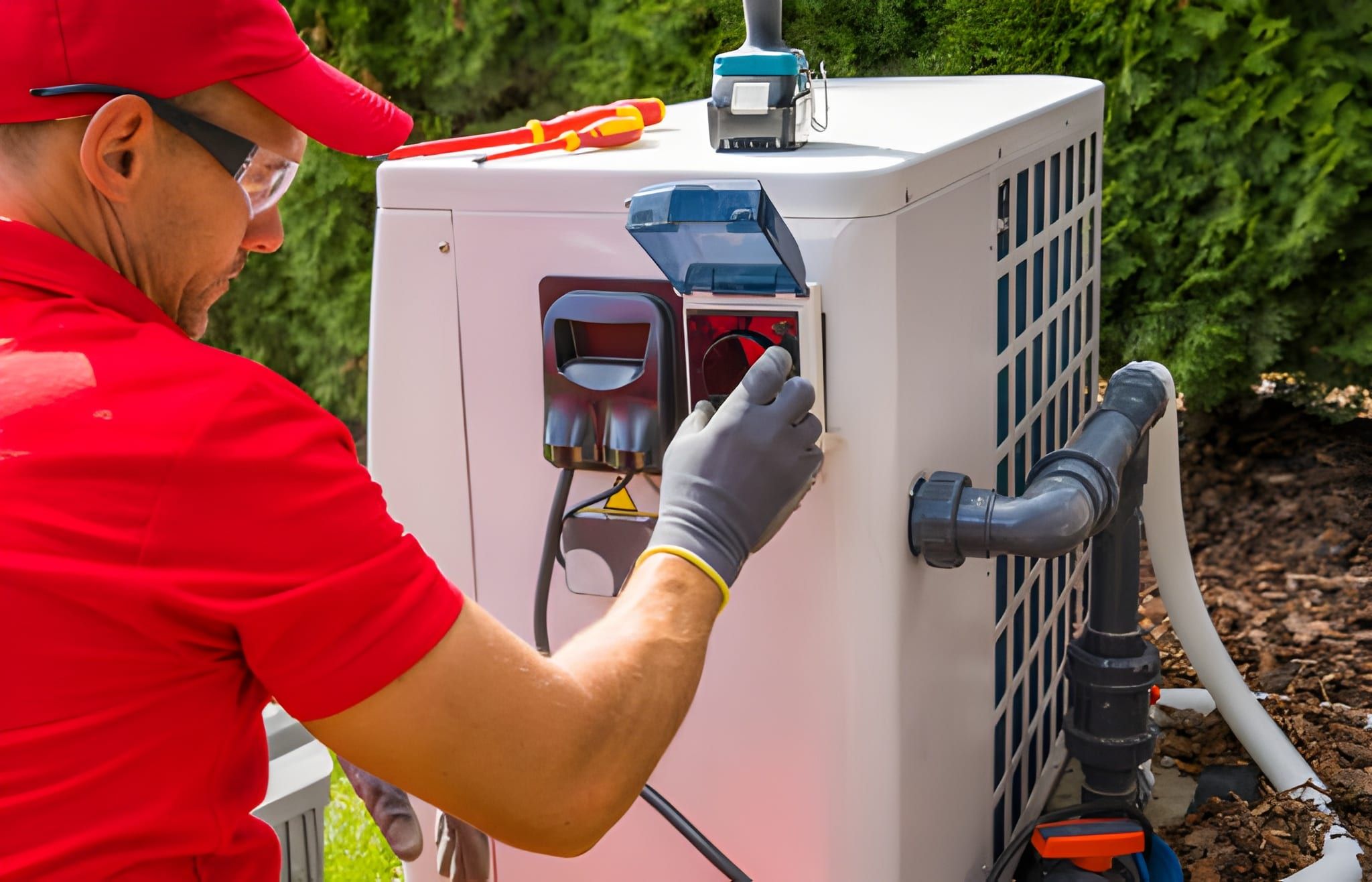
HVAC Company in Topanga, CA
Topanga homes face a unique mix of coastal influence, canyon microclimates, and wildfire smoke risk. Choosing a reliable HVAC company in Topanga, CA means getting systems sized and installed for steep-driveway access, variable temperatures, and indoor air quality challenges. This page explains the services residential and light commercial clients most often need, common local problems, what a professional diagnosis and repair process looks like, and how to evaluate installation, maintenance, and warranty options so you can make an informed decision.
Why specialized HVAC service matters in Topanga
- Topanga microclimates create large day-to-night temperature swings, requiring systems that can handle frequent cycling without premature wear.
- Homes in the Santa Monica Mountains often have older ductwork, limited outdoor equipment space, and access constraints that change installation methods.
- Wildfire smoke and dust make indoor air quality solutions in Topanga essential for protecting health and preserving HVAC equipment.
- Energy efficiency matters in California. Properly sized heat pumps, high-efficiency air conditioners, and insulation improvements reduce running costs and make you eligible for state and utility incentives.
Common HVAC issues in Topanga, CA
- Frequent short-cycling due to oversized or poorly matched systems.
- Poor airflow from leaky or undersized ducts in older canyon homes.
- Reduced cooling capacity during heat waves and insufficient heating during cold spells in shaded valleys.
- Indoor air quality degradation from wildfire smoke, pollen, and high humidity in enclosed canyon pockets.
- Corrosion and wear on outdoor units exposed to marine air and seasonal humidity.
Comprehensive services offered
- System installation and replacement
- Proper load calculations and manual J sizing for canyon topography
- Condenser, evaporator, furnace, and heat pump installations tailored to limited outdoor space
- Ducted and ductless (mini-split) solutions for retrofit or new construction
- Residential and commercial repairs
- Diagnostics for mechanical, electrical, and refrigerant issues
- Fast repairs for compressors, motors, control boards, thermostats, and ductwork
- Seasonal maintenance plans
- Pre-summer tune ups and pre-winter inspections to avoid emergency breakdowns
- Filter replacement, coil cleaning, refrigerant checks, and airflow testing
- Emergency repair response
- Rapid diagnosis and temporary measures to restore comfort while planning long-term fixes
- Indoor air quality solutions
- High-efficiency filtration, HEPA-compatible systems, UV air purifiers, and humidity control
- Whole-house ventilation and balanced fresh-air systems to reduce smoke and allergens
- Energy-efficiency upgrades and rebates
- High-SEER air conditioners, ENERGY STAR heat pumps, programmable and smart thermostats
- Guidance on common California and utility incentives and federal tax credits that apply to qualifying equipment
- Brands and equipment serviced
- Service and installations for Trane, Carrier, Lennox, Rheem, Goodman, Daikin, Mitsubishi, and others
- Experience with furnaces, rooftop units, packaged systems, and mini-splits
- Pricing, financing options, and trade-offs
- Transparent comparisons of repair vs replacement based on age, efficiency, and repair history
- Typical financing structures such as installment plans and low-interest options to spread the cost
- Warranties and service agreements
- Explanation of manufacturer warranties, extended warranties, and annual service agreements that preserve coverage and performance
Diagnostic and service process explained
- Initial inspection and information gathering
- Verify symptoms, check system age and model, inspect outdoor unit placement, evaluate duct condition, and note access limitations common in Topanga properties
- System-level performance diagnostics
- Measure airflow, static pressure, refrigerant charge, compressor amp draw, and thermostat calibration
- Clear options with cost and longevity analysis
- Present repair options with expected life extension and replacement options with efficiency and rebate details
- Installation and replacement steps
- On-site planning for condenser/furnace placement when terrain or access is restricted
- Proper sealing, insulation, and commissioning, including air balancing and thermostat programming
- Emergency response workflow
- Short-term fixes to restore safety and comfort followed by scheduling of recommended repairs or replacement
How to evaluate installation and maintenance offers
- Confirm load calculation methodology - ask for Manual J and ductwork analysis results whenever a new system is proposed.
- Verify licensing and insurance appropriate for Los Angeles County conditions and hillside work.
- Compare energy performance: look at SEER for cooling and HSPF for heat pumps, and total system efficiency for whole-house solutions.
- Check what is included in service agreements: filter replacements, priority scheduling, diagnostic labor waivers, and seasonal checklists are common inclusions.
- Understand warranty transfer rules and maintenance requirements to keep manufacturer coverage valid.
Benefits of timely HVAC action in Topanga
- Improved comfort with systems sized to handle canyon temperature swings.
- Lower operating costs and eligibility for rebates through high-efficiency equipment.
- Better indoor air quality during wildfire season, reducing health risks.
- Longer equipment life and fewer emergency repairs with regular maintenance.
- Increased home value and resale appeal when HVAC systems are documented and maintained.
Practical maintenance tips for Topanga homes
- Replace or clean filters every 1 to 3 months during heavy smoke or pollen seasons.
- Keep outdoor units clear of debris, brush, and sprinklers that can accelerate corrosion.
- Schedule seasonal tune ups before summer and winter to catch issues early.
- Consider duct sealing and insulation to mitigate energy loss in older canyon homes.
- Install a high-efficiency filtration or portable HEPA system if wildfire smoke is frequent.
Scheduling preparation and what to have ready
When arranging service with an HVAC professional, gather:
- System model and serial numbers, and approximate installation year if known.
- A brief description of symptoms and when they occur.
- Access notes for uphill driveways, gated properties, or narrow equipment locations.
- Recent maintenance history and any past repair invoices if available.
This information helps ensure accurate diagnostics and realistic proposals tailored to Topanga homes and businesses. Choosing the right HVAC company in Topanga, CA means selecting technicians who understand the local climate challenges, building constraints, and indoor air quality needs so systems perform reliably and efficiently in this unique canyon environment.
Customer
Testimonials
Our customers consistently praise the exceptional service and professionalism of our team. They appreciate the honest advice, meticulous work, and the care taken to ensure their satisfaction.

.webp)
Service Areas
