

Thermostat Installation in Topanga, CA

Comprehensive thermostat installation service in Topanga, CA guides homeowners through selecting compatible devices, precise wiring, safe line-voltage handling, and careful mounting to ensure accurate readings across canyon microclimates. The process begins with a system audit to identify HVAC type, control voltages, and potential compatibility with multi-stage heating or zoned controls. Technicians handle wiring, calibration, and testing, then configure smart features, integrate with Wi-Fi and voice assistants, and provide user training and warranty documentation for peace of mind.
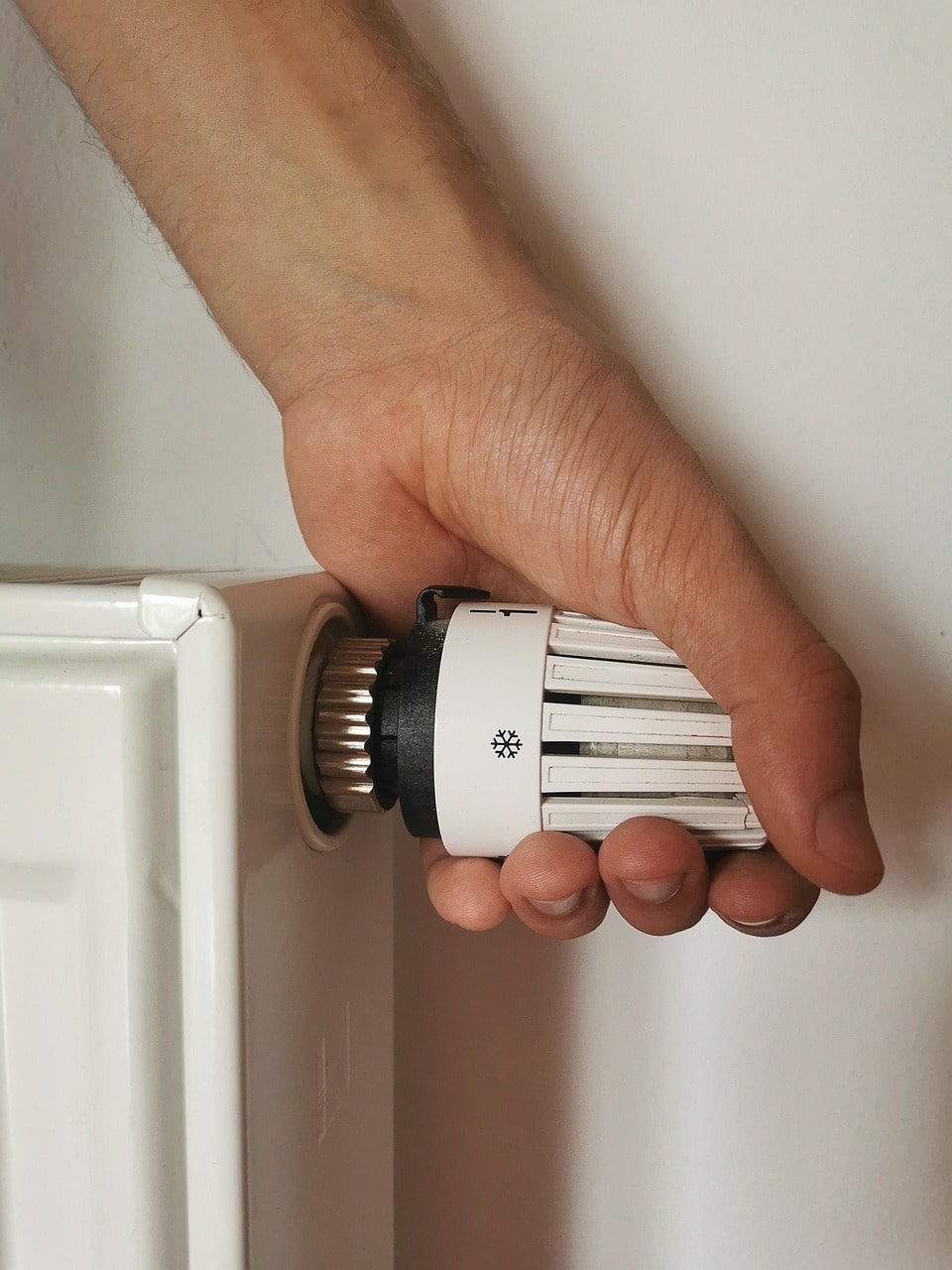
Thermostat Installation in Topanga, CA
Upgrading or replacing a thermostat is one of the highest-impact, lowest-disruption improvements you can make to comfort and home efficiency in Topanga, CA. Whether your canyon home has a decades-old mechanical dial, a programmable unit that never seems to follow a schedule, or you want full smart control for a heat pump or mini-split system, professional thermostat installation ensures the new device works reliably with your equipment, avoids wiring mistakes, and is calibrated for real-world comfort in Topanga’s unique microclimates.
Why professional thermostat installation matters in Topanga
Topanga homes face specific conditions—coastal marine influence, canyon temperature swings between day and night, variable Wi-Fi coverage in ridgeline locations, and air quality concerns during wildfire season. A professional installer evaluates how those local factors interact with your HVAC system and thermostat choice so you get accurate temperature control, dependable connectivity, and smarter energy use without guesswork.
Common thermostat issues in Topanga homes
- No C-wire or inadequate power for smart thermostats
- Incorrect wiring that causes short-cycling or system errors
- Poor thermostat placement (near sunlight, drafts, or appliances) causing inaccurate readings
- Wi-Fi or hub connectivity problems in remote or thick-walled canyon homes
- Incompatibility with heat pumps, multi-stage systems, zoned systems, or integrated ventilation controls
- Lack of calibration leading to temperature offset and uneven comfort
Assessing system compatibility
A proper installation begins with a system audit. The technician will:
- Identify your HVAC type: conventional gas furnace and A/C, heat pump, ductless mini-split, or packaged unit.
- Check control voltages (24V low-voltage systems vs line-voltage) and confirm whether your system uses multi-stage heating/cooling.
- Inspect the control board and wiring for a dedicated common wire (C-wire) or alternative power options such as a power extender or rechargeable batteries.
- Review zoning equipment, damper controls, humidifiers, dehumidifiers, and whole-house ventilation/filtration interfaces that may need thermostat integration.
This assessment prevents surprise incompatibilities and ensures the selected thermostat will control the entire system as intended.
Choosing the right thermostat for Topanga, CA
Installers will recommend thermostat types based on system compatibility and homeowner priorities:
- Basic programmable thermostats: Reliable choice for simple systems and homeowners who want a schedule without smart features.
- Smart-ready thermostats: Offer app control, learning schedules, remote access, geofencing, and energy reports. Ideal for homeowners who want remote comfort control and energy insights.
- Heat pump and multi-stage compatible models: Necessary for homes with heat pumps or systems that require specialized staging and balance.
- Zoning-compatible controls and multi-sensor setups: Useful for larger Topanga homes with canyon-driven temperature variation between rooms and elevations.
Recommendations account for local factors like intermittent cellular/Wi-Fi signal in parts of Topanga, solar generation setups, and air quality integration during smoky conditions.
Professional wiring, mounting, and calibration
Proper thermostat installation includes:
- Professional wiring: Securely connecting R, C, W, Y, G, O/B, and other control wires, labeling and protecting terminals, and avoiding splices that cause intermittent faults.
- Safe line-voltage handling when applicable and follow best practices to isolate power during installation.
- Correct mounting and location: Placing the thermostat away from direct sunlight, exterior doors, kitchens, or heat sources to prevent false readings—critical in canyon homes where sun exposure can be uneven.
- Calibration and testing: Verifying sensor accuracy, checking system response to setpoint changes, testing multi-stage transitions or heat pump reversing valve operation, and confirming that fan and compressor cycles run correctly without short-cycling.
System integration and smart setup
Integration often involves more than physical wiring:
- Connecting smart thermostats to home Wi-Fi and configuring accounts, schedules, and energy-saving features.
- Integrating with voice assistants, home automation hubs, or HVAC zoning controls when available.
- Setting up geofencing, occupancy schedules, and vacation modes that reflect Topanga routines—such as cooling preferences when occupants are out during warm canyon afternoons.
- Addressing connectivity issues by recommending network extenders, using wired Ethernet hubs, or configuring local fallback behavior so critical HVAC functions remain reliable if Wi-Fi drops.
User training and handoff
Professional installers provide user setup and training so homeowners can confidently manage comfort and energy:
- Walkthrough of thermostat interface, app features, and schedule editing.
- How to read energy reports, adjust temperature setbacks, and use eco or learning modes effectively.
- Explanation of fan modes, staging behavior, and thermostat alerts for filter changes or system faults.
- Guidance on how thermostat behavior changes seasonally in Topanga and how to adapt schedules for weekend canyon activities or wildfire smoke events.
Warranty and installation assurances
Manufacturer warranties typically cover defects in the thermostat hardware for a specified period, and professional installation often includes a labor warranty for a defined window after service. Proper documentation of model, serial number, and installation details should be provided so warranty claims and any future troubleshooting are straightforward.
Tips for optimizing comfort and energy efficiency in Topanga
- Place the thermostat on an interior wall, out of direct sun and away from vents or appliances.
- Use setback schedules: cooler setbacks at night and when the home is unoccupied reduce energy use without sacrificing comfort.
- Pair a smart thermostat with regular HVAC maintenance—clean filters, inspect ducts, and verify refrigerant charge—to achieve projected energy savings.
- Use multi-sensor or remote sensors in larger or split-level Topanga homes to even out temperature control across rooms.
- During wildfire season, combine thermostat scheduling with air filtration and whole-house ventilation controls to maintain indoor air quality while minimizing outdoor intake.
- Check Wi-Fi reliability; if signal is weak where the thermostat is mounted, consider a mesh system or extender for stable smart features.
Final considerations
A correctly chosen and professionally installed thermostat delivers immediate comfort improvements, smoother system operation, and measurable energy savings—especially in Topanga where microclimates and connectivity constraints make right-sizing and placement crucial. A clear compatibility check, careful wiring and calibration, and hands-on training ensure your thermostat becomes an asset, not a source of frustration, in controlling your home’s comfort year-round.
Customer
Testimonials
Our customers consistently praise the exceptional service and professionalism of our team. They appreciate the honest advice, meticulous work, and the care taken to ensure their satisfaction.

.webp)
Service Areas
