

Heating Maintenance in Los Angeles, CA

Heating maintenance in Los Angeles, CA delivers preventative care to reduce breakdowns, restore efficiency, and extend equipment life across gas furnaces, heat pumps, ductless systems, and hydronic boilers. The program addresses local challenges like dust, wildfire smoke, salt air, and temperature swings, with routine inspections, coil cleaning, filter management, refrigerant checks, and performance testing. It emphasizes a flexible cadence, clear service reporting, and priority support to maximize reliability, energy efficiency, and comfort for LA homes.
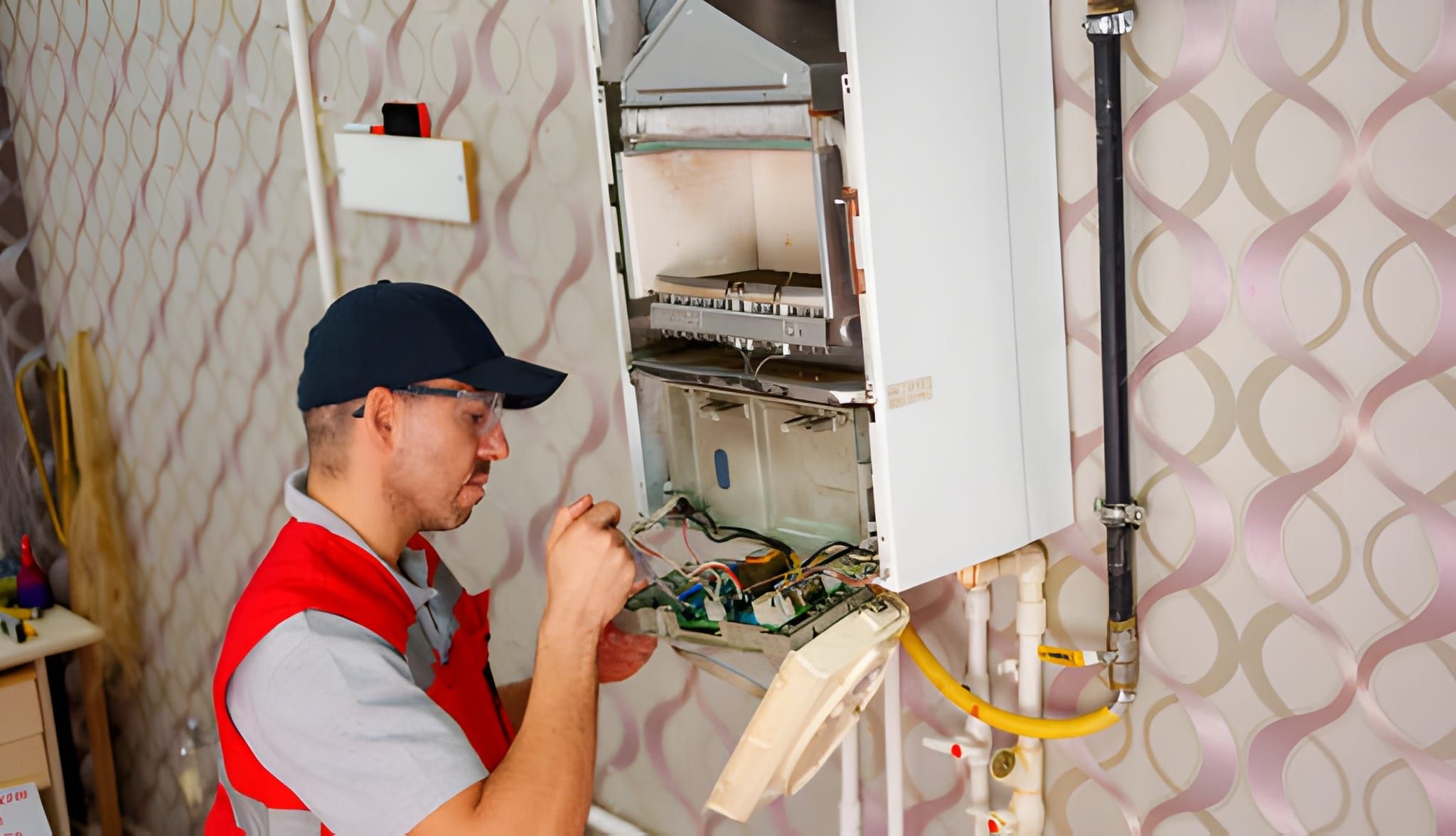
Heating Maintenance in Los Angeles, CA
Keeping your heating equipment running reliably through cool Los Angeles nights and the region’s variable winter weather requires targeted, ongoing maintenance. Heating Maintenance in Los Angeles, CA focuses on preventative care that reduces breakdowns, restores efficiency, and extends equipment life. Whether your home has a gas furnace, heat pump, ductless mini-split, or hydronic system, a structured maintenance program addresses the things that commonly fail in Southern California homes—from dust and wildfire smoke buildup to salt air corrosion near the coast.
Common heating systems in Los Angeles and why maintenance matters
- Gas furnaces: Common in older single-family homes and some newer installations where gas service is available. Regular servicing prevents ignition issues, carbon monoxide risk, and heat exchanger damage.
- Heat pumps (air-source): Very common across LA for combined heating and cooling. Seasonal maintenance is key to refrigerant checks, coil cleanliness, and reversing valve performance.
- Ductless mini-splits: Popular in retrofit and efficient homes. Indoor unit filter and coil maintenance keeps airflow and efficiency stable.
- Hydronic boilers and radiant systems: Present in some higher-end or older homes; require annual inspection to avoid leaks and ensure proper pressure and circulation.
- Forced-air systems with ducts: Duct integrity, insulation, and airflow balancing are often overlooked but critical for comfort and efficiency.
Los Angeles’ climate introduces particular demands: dust, pollen, and increasingly frequent wildfire smoke can clog filters and coils quickly; coastal homes can face faster corroding of metal components due to salt air; inland valleys experience bigger day-night temperature swings that strain thermostats and controls. A maintenance program tuned to these regional issues reduces surprise failures and keeps your system operating efficiently.
Common heating maintenance issues in Los Angeles
- Clogged filters and dirty coils from smoke, dust, and urban pollution
- Corrosion on outdoor units and exposed components in coastal neighborhoods
- Refrigerant leaks or low charge in heat pumps after heavy use
- Thermostat calibration errors causing short-cycling or uneven comfort
- Restricted condensate drains leading to system shutdowns or water damage
- Duct leaks and poor sealing, especially in older homes or attics
- Ignition or pilot problems in gas furnaces after long idle periods
Routine inspection items included in a maintenance program
A thorough heating maintenance visit typically covers a checklist of inspection and service items. Common elements include:
- Visual safety check: inspect heat exchanger, gas connections, flue or venting, and combustion components where applicable.
- Filter assessment and replacement recommendation: evaluate filter condition and replace or record replacement per schedule.
- Combustion and carbon monoxide check for gas systems: verify safe combustion and proper venting.
- Electrical inspection: check wiring, connections, capacitors, and controls for wear or overheating.
- Blower and motor service: clean, lubricate (if applicable), and test blower operation and belts.
- Coil cleaning: clean indoor and outdoor coils to restore heat transfer efficiency.
- Refrigerant check and pressure test: inspect refrigerant levels and look for signs of leaks in heat pumps.
- Thermostat calibration and control testing: ensure accurate temperature sensing and proper cycle operation.
- Condensate line inspection and cleaning: clear drains and check pump or trap condition.
- Ductwork check: inspect accessible ducts for leaks, gaps, and insulation needs.
- System performance testing: measure airflow, static pressure, and temperature rise or split to confirm efficient operation.
- Documentation: provide a detailed service report with findings, actions taken, and recommended next steps.
Filter schedules and seasonal adjustments for Los Angeles homes
- Standard fiberglass or pleated filters: check monthly during high-use periods; replace every 1–3 months depending on air quality and occupancy.
- High-efficiency filters (MERV 8–13): inspect every 1–2 months; replace every 2–4 months or sooner if wildfire smoke is present.
- Washable or reusable filters: clean monthly and inspect for damage; replace permanently if worn.
- Ductless mini-splits: clean indoor filters monthly; schedule coil cleaning annually.
- Heat pumps and combined systems: consider twice-yearly inspections—one in early fall (pre-season heating check) and one in spring (cooling check), especially for properties experiencing both heating and cooling seasons.
Because Los Angeles air quality can change quickly from wildfires or seasonal pollution, filter replacement schedules should be flexible: increase frequency during smoke events or prolonged dust accumulation.
What a typical maintenance visit looks like
- Arrival and system baseline: technician documents current system status and any owner-reported concerns.
- Safety and performance checks: full inspection of combustion, electrical, refrigerant, and airflow systems.
- Cleaning and adjustments: filters, coils, burners, and blower components cleaned; belts adjusted; controls tightened.
- Testing and tuning: system run-through to confirm operating parameters and to optimize sequence of operation.
- Report and records: written summary of findings, work performed, recommended repairs, and next service date. This is logged to create a running history for the equipment.
Benefits of enrolling in a heating maintenance agreement in Los Angeles
- Priority service during peak periods: members typically receive expedited scheduling when climate-driven service spikes occur.
- Discounted parts and diagnostic coverage: maintenance agreements often include member pricing on repairs and rapid assessments.
- Consistent record-keeping: each visit generates a service report that builds a documented history to support warranties and resale value.
- Extended equipment life and fewer breakdowns: routine tune-ups reduce component stress, helping systems reach or exceed expected lifespans.
- Improved efficiency and lower operating costs: clean coils, correct refrigerant charge, and proper airflow reduce wasted energy and help maintain comfort without overworking equipment.
- Predictable maintenance cadence: scheduled visits reduce the risk of missed service and sudden failures.
Enrollment options and cadence
Maintenance agreements typically offer flexible options to match system type and usage:
- Annual heating tune-up: ideal for most Los Angeles homes that use heating seasonally; includes safety checks and cleaning.
- Biannual tune-up (heating and cooling): recommended for heat pumps or homes that require year-round climate control.
- Multi-year agreements: provide continued coverage with consistent record-keeping and often improved priority service over time.
Each option balances frequency with the local needs of Los Angeles homes—coastal properties or those in high-smoke areas may opt for more frequent filter changes and inspections.
- After wildfire smoke: change filters immediately and schedule a coil and duct inspection to remove soot and particulates.
- Coastal homes: request a corrosion inspection for outdoor units and consider protective coatings or more frequent checks.
- Older homes with ducts: have a duct leakage test performed; sealing ducts can noticeably improve comfort and reduce energy waste.
- Thermostat setbacks: avoid extreme overnight setbacks on heat pumps that can trigger longer recovery cycles and increased wear.
Regular, regionally informed heating maintenance keeps systems safe, efficient, and dependable. For Los Angeles homeowners looking to minimize surprises, maintain indoor air quality, and maximize equipment life, a structured maintenance program with clear service reports and priority support addresses both immediate needs and long-term performance.
Customer
Testimonials
Our customers consistently praise the exceptional service and professionalism of our team. They appreciate the honest advice, meticulous work, and the care taken to ensure their satisfaction.

.webp)
Service Areas
