

Ventilation in Los Angeles, CA

This service page outlines professional ventilation solutions for Los Angeles properties, focusing on improving indoor air quality, comfort, and energy efficiency. It covers assessment, design, and installation of fresh-air strategies, ERV/HRV systems, ductwork optimization, filtration upgrades, and control strategies tailored to Southern California conditions. It also details retrofit options for older homes and commercial buildings, compliance with local codes, and a structured installation process followed by commissioning. Benefits include reduced odors and mold risk, lower HVAC runtime, and enhanced occupant well-being.
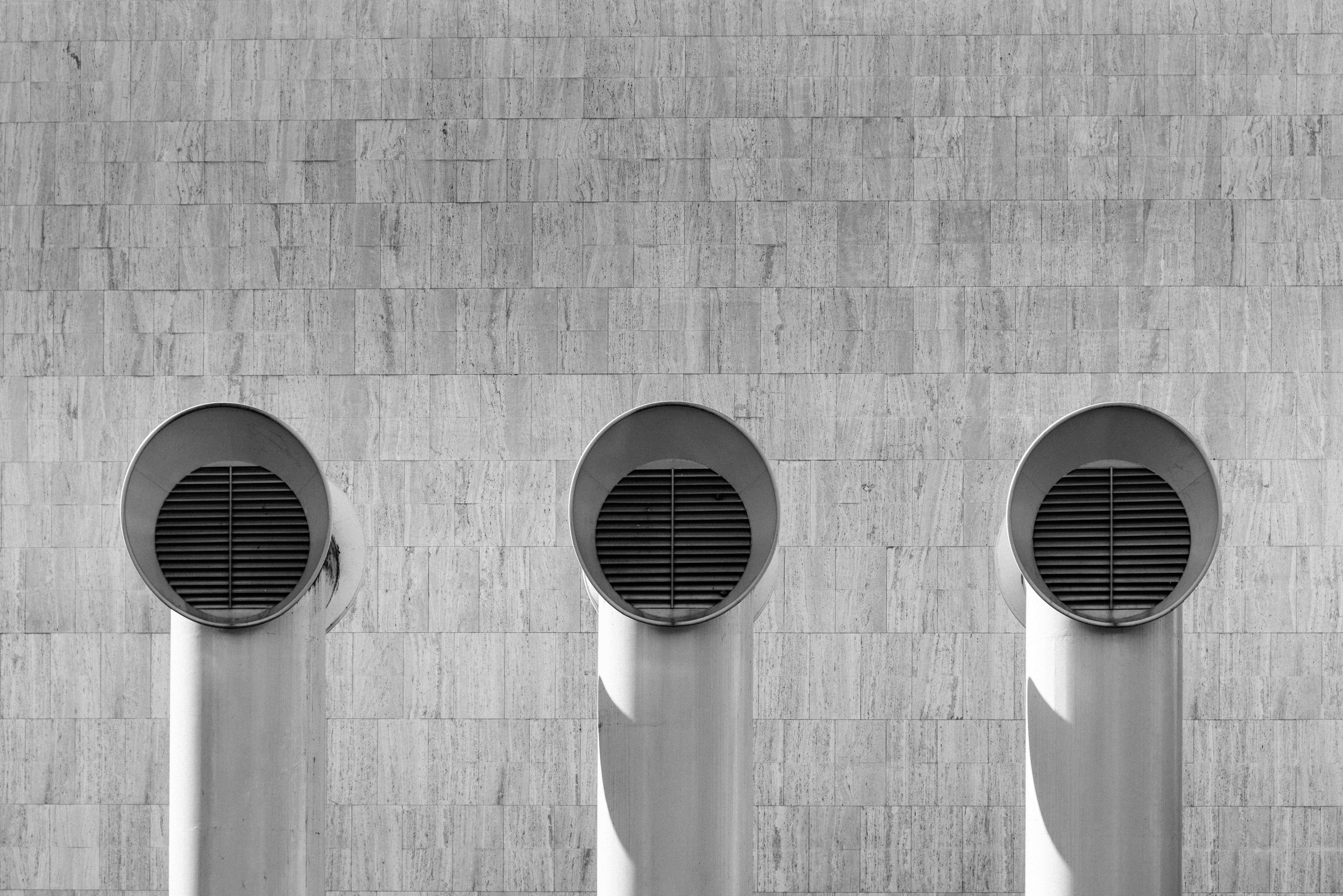
Ventilation in Los Angeles, CA
Good indoor air starts with the right ventilation strategy. In Los Angeles homes and commercial spaces, ventilation protects occupants from smog, wildfire smoke, excess moisture, and indoor pollutants while helping systems run efficiently. This page outlines how professional ventilation assessment, design, and installation deliver healthier, code-compliant indoor environments across LA — including retrofit options for older buildings and energy-efficient solutions tailored to Southern California conditions.
Why ventilation matters for Los Angeles properties
Los Angeles faces unique air quality and climate challenges: seasonal wildfire smoke and ozone events, marine layer humidity near the coast, drier inland conditions, and salt-corrosion risks for coastal systems. Older homes and many multi-family buildings were built without modern ventilation standards, increasing the risk of lingering pollutants, mold in damp areas, and inefficient HVAC operation. Effective ventilation:
- Removes stale air and pollutants (VOCs, cooking and building emissions, wildfire particulates)
- Controls indoor humidity to reduce mold and odor
- Improves comfort while reducing HVAC run time and energy waste
- Ensures compliance with Los Angeles building codes and California energy requirements
Common ventilation issues in Los Angeles homes and commercial spaces
- Insufficient fresh-air intake leading to stale indoor air and high CO2 levels
- Poor filtration and infiltration during wildfire season, letting smoke and fine particulates inside
- Over-ventilation or unbalanced systems that drive high energy costs
- Blocked or undersized ducts restricting airflow and causing noise or pressure imbalances
- Inadequate moisture control in bathrooms, kitchens, and coastal properties
- Older buildings lacking ERV/HRV systems or dedicated mechanical ventilation
Assessment: how we evaluate existing ventilation
A thorough assessment identifies the root causes of poor ventilation and defines a tailored solution. Typical diagnostic steps include:
- Visual inspection of intakes, exhausts, ductwork, and roof/attic penetrations
- Airflow measurements and pressure testing to detect leaks and imbalances
- Indoor air quality checks for particulates, CO2, humidity, and common pollutants
- Evaluation of existing filtration and HVAC compatibility
- Review of building layout, occupancy patterns, and local exposures (near highways, wildfire-prone zones, or oceanfront)
- Compliance check against Los Angeles Department of Building and Safety requirements and California energy codes
Design and installation options
Designs are customized to property type, budget, and local needs. Key options include:
- Fresh-air intake systems
- Dedicated fresh-air ducts with controlled dampers to bring in measured outdoor air while limiting infiltration of pollutants.
- Intake positioning and contamination assessment to avoid drawing air near traffic, exhausts, or neighbor sources.
- ERV (Energy Recovery Ventilator) and HRV (Heat Recovery Ventilator)
- ERV transfers both heat and sensible moisture, suited for coastal areas or buildings with higher humidity.
- HRV focuses on heat exchange, valuable in drier inland LA neighborhoods for energy savings.
- Both reduce HVAC load by recovering energy from exhaust air and provide filtered fresh air.
- Ductwork modifications
- Re-sizing, sealing, and re-routing ducts to eliminate pressure imbalances and improve airflow.
- Upgrading materials and joints to resist coastal corrosion where applicable.
- Filtration and smoke-ready strategies
- Integration of high-efficiency filtration (MERV 13+ or HEPA-grade in critical zones) to improve protection during wildfire events.
- Combined ventilation-plus-filtration approaches to keep indoor air clean without over-ventilating.
- Demand-controlled ventilation and controls
- CO2 and occupancy sensors to adjust fresh-air intake based on actual needs, saving energy while maintaining comfort.
- Smart controls and variable-speed fans for precise, quiet operation.
- Exhaust and spot ventilation
- Kitchen and bathroom exhaust upgrades, including continuous low-rate ventilation plus high-capacity venting for cooking or shower events.
- Localized solutions for garages, workshops, or commercial kitchens to prevent pollutant migration.
Retrofit solutions for older homes and commercial buildings
Older LA homes often have limited attic space, narrow wall cavities, or historic architectural constraints. Retrofit strategies include:
- Compact ERV/HRV units with remote mounting in mechanical rooms or attics
- Ductless or mini-duct fresh-air options where full ductwork is impractical
- Wall-mounted supply/exhaust units with integrated filtration for apartments and retrofit condos
- Sealing and insulating ductwork combined with controlled mechanical ventilation to balance energy performance and air quality
Compliance and permitting
Work is designed to meet Los Angeles building code requirements and California energy standards. Typical permit-related tasks:
- Preparing schematic ventilation layouts for permit submission
- Documenting airflow calculations, equipment efficiency, and code compliance
- Coordinating with local inspectors during installation and commissioning
Installation and commissioning: what to expect
A consistent installation process ensures performance and longevity:
- Site measurement and final design confirmation
- Permit procurement and scheduling
- Equipment procurement and pre-installation coordination
- Installation of intakes, ERV/HRV, ductwork modifications, and controls
- System balancing, airflow measurement, and filtration verification
- Performance testing, instruction on operation and maintenance, and documentation for code compliance
Benefits for Los Angeles occupants
- Improved indoor air quality during wildfire, smog, and everyday pollutant events
- Reduced mold risk and better humidity control in coastal and inland microclimates
- Lower energy use when using energy recovery and demand-controlled ventilation
- Enhanced occupant comfort and productivity in homes, offices, and commercial spaces
- Code-compliant ventilation that supports property resale and long-term asset value
Maintenance and practical tips
- Replace or clean filters regularly; high-efficiency filters may need more frequent checks during wildfire season
- Schedule annual ERV/HRV service to clean cores, inspect fans, and verify moisture transfer performance
- Keep outdoor intakes clear of debris and clear of pressure influences (garage doors, HVAC exhausts)
- Use demand-controlled settings for timed ventilation in multi-family and commercial applications to save energy
- Consider seasonal adjustments: maximize filtration and minimize intake during heavy smoke events; increase controlled ventilation during mild outdoor air quality periods to flush indoor pollutants
Ventilation improvements in Los Angeles are both a health and energy decision: the right system removes pollutants and moisture without wasting energy. Whether you have a retrofit need for a historic bungalow, a multi-family ventilation upgrade, or a new design for a commercial space, thoughtful assessment and code-aware design create a comfortable, resilient indoor environment suited to Los Angeles conditions.
Customer
Testimonials
Our customers consistently praise the exceptional service and professionalism of our team. They appreciate the honest advice, meticulous work, and the care taken to ensure their satisfaction.

.webp)
Service Areas
