

Heating Service in Topanga, CA

Heating service in Topanga, CA, from Plum HVAC, delivers thorough inspections, precise diagnostics, and tailored repair and maintenance solutions for canyon and coastal homes. Our process emphasizes safety, efficiency, and reliability, clearly outlining common system issues, expected timelines, and transparent pricing. Our skilled technicians perform comprehensive checks, accurately assess airflow, refrigerant levels, and combustion safety, then recommend repairs or replacements with clear options. Plum HVAC service plans focus on preventive maintenance, priority emergency response, and cost savings, helping homes stay comfortable while reducing energy use and long-term ownership costs.
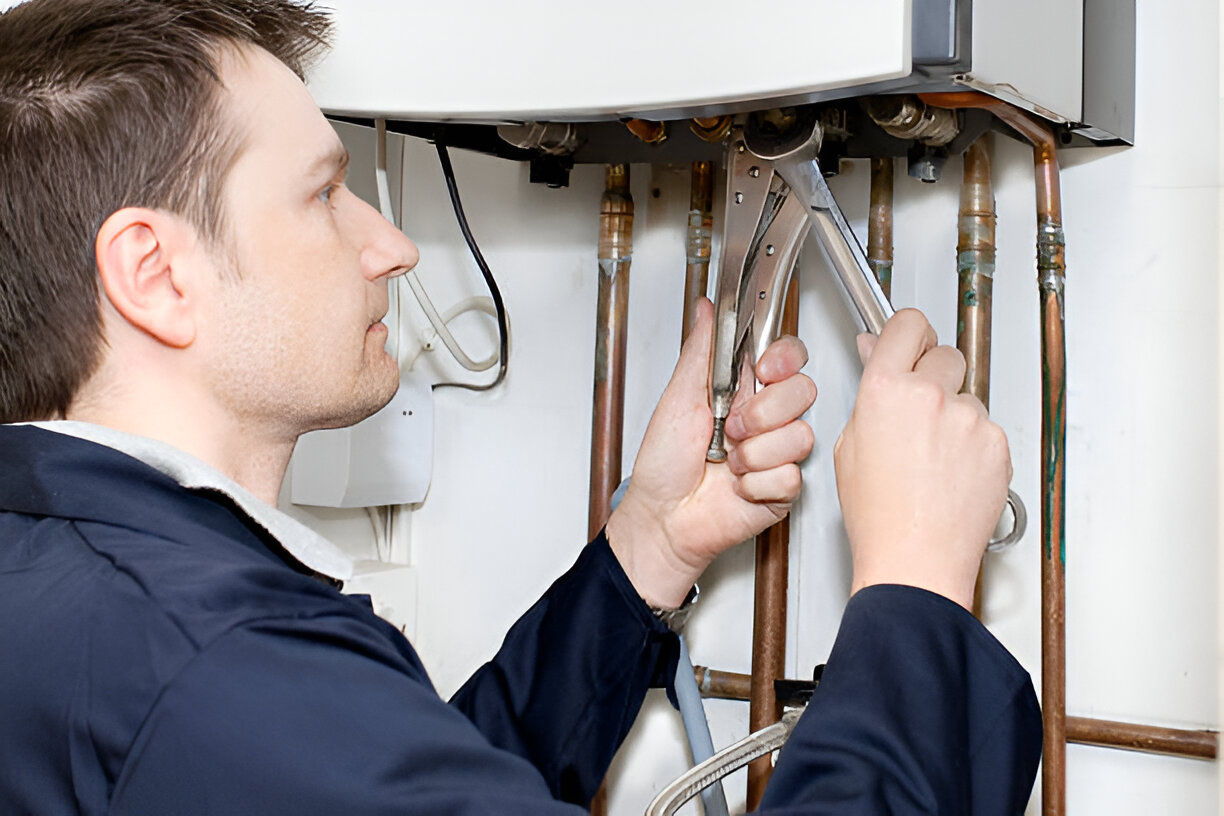
Heating Service in Topanga, CA
Keeping heating systems reliable and safe in Topanga, CA requires an approach tailored to canyon microclimates, hillside access, and the coastal influence that affects equipment longevity. This page outlines comprehensive heating services for Topanga homes, explains the problems most commonly seen here, describes the inspection and diagnostic process, details typical repair and maintenance solutions, and sets clear expectations for service plans, emergency response, timelines, and how pricing is determined.
Why heating service matters in Topanga, CA
Topanga experiences cool coastal evenings, occasional winter cold snaps, and a marine layer that can shorten equipment life through salt air exposure. Many homes are older, multi-level, or built into slopes, which creates unique ductwork and ventilation challenges. Regular, professional heating service preserves comfort, improves efficiency, prevents carbon monoxide risk, and reduces the chance of mid-winter failures when repairs are most disruptive.
Common heating systems and issues in Topanga
Typical systems found in Topanga homes include gas furnaces, ductless mini-splits, heat pumps, and hydronic/boiler systems. Common heating issues in Topanga often include:
- Clogged air filters and restricted airflow from compact or poorly accessible returns.
- Thermostat malfunctions or improper zoning control in split-level or multi-zone homes.
- Pilot or ignition failures on older gas furnaces.
- Heat exchanger wear, corrosion, or cracking exacerbated by coastal exposure.
- Refrigerant leaks or reduced performance in heat pumps and mini-splits.
- Duct leaks, poor insulation, or airflow imbalance caused by sloped or segmented duct runs.
- Combustion safety concerns, blocked vents, or backdrafting in tightly sealed canyon homes.
- Electrical failures in controls, motors, or capacitors from humidity and salt exposure.
What a comprehensive inspection and diagnostic service includes
A full heating system inspection in Topanga covers safety, performance, and efficiency items:
- Visual inspection of the unit, flue, venting and combustion area for corrosion, leaks, or obstruction.
- Check of ignition system, pilot assembly, or electronic ignition components.
- Measurement of air temperatures, static pressure, and airflow checks at registers.
- Thermostat and control verification, including zone sensors and wiring.
- Electrical component testing: capacitors, relays, motors, and circuit integrity.
- Heat exchanger inspection for visible cracks or corrosion; combustion gas testing if indicated.
- Refrigerant level check and leak assessment for heat pump systems (EPA-certified handling).
- Duct inspection for leaks, insulation, and return air balance.
- Safety device checks including limit switches and carbon monoxide awareness.
Diagnostics combine visual checks with instrument testing to identify root causes rather than just symptoms. A good diagnostic report will explain the issue, list recommended repairs, estimated timeline for completion, and options for repair versus replacement if applicable.
Typical repairs and solutions
Recommended solutions depend on findings but commonly include:
- Filter replacement, coil and burner cleaning, and blower maintenance to restore airflow and efficiency.
- Thermostat recalibration or upgrade to a programmable or smart thermostat for better zone control.
- Repair or replacement of ignition components, gas valves, or control boards in furnaces.
- Heat exchanger repair assessment and safe replacement if cracking or corrosion is detected.
- Refrigerant leak repair, recharge, and component replacement in heat pump systems.
- Duct sealing, insulation, and rebalancing to solve uneven heating and improve efficiency.
- Safety fixes: venting repairs, chimney cap cleaning, and clearance adjustments to ensure safe combustion.
- Preventive adjustments to protect equipment from coastal corrosion and humidity-related electrical issues.
Service plans and routine maintenance
Service plans are structured to prevent breakdowns and extend system life. Typical offerings include:
- Seasonal tune-ups scheduled before heating season to clean, lubricate, test, and adjust systems.
- Priority scheduling or dedicated emergency response tiers.
- Discounted diagnostic or repair labor rates for plan members.
- Regular filter change reminders and documented inspection records.For Topanga homes, plans often emphasize corrosion checks, vent and intake clearances for hillside properties, and more frequent attention for systems exposed to marine air.
Emergency response options and timelines
Emergency heating repairs are prioritized when a system failure affects safety or livability. Expectations for emergency service in Topanga generally include:
- Evening and weekend availability for urgent safety issues.
- Rapid diagnostics to determine whether a temporary safe fix or full repair is required.
- Clear communication about estimated arrival windows and on-site repair timelines given canyon access and road conditions.For non-emergencies, routine service appointments are typically scheduled within a standard business timeframe, with seasonal peaks potentially affecting availability. Always expect technicians to provide an on-site assessment and a clear timeline to complete recommended work.
Technician qualifications and standards
Qualified heating technicians servicing Topanga homes typically hold:
- State contractor licensing appropriate for HVAC work (California HVAC certifications).
- EPA 608 certification for refrigerant handling on heat pumps and mini-splits.
- Manufacturer factory training for major brands and ongoing continuing education for new technologies.
- Tools for combustion analysis, refrigerant leak detection, and airflow measurement.
- Background checks and professionalism to navigate narrow driveways and multi-level homes respectfully.Expect technicians to explain findings in clear terms, show defective parts when practical, and outline repair options before proceeding.
Pricing expectations and what influences cost
While specific prices vary, Topanga homeowners should expect estimates that reflect several factors:
- Type, age, and accessibility of the system; hard-to-reach units or hillside access can increase labor time.
- Parts required and whether OEM or compatible components are chosen.
- Extent of diagnostics needed and whether additional systems (ductwork, thermostat, venting) require service.
- Safety-critical repairs that must be completed immediately versus optional efficiency upgrades.Estimates should be provided after an on-site inspection and clarify whether pricing is time-and-materials or a flat repair rate. Routine maintenance plans can spread costs and reduce the frequency of major unplanned repairs.
Maintenance tips and long-term benefits
Regular maintenance in Topanga prevents costly mid-season failures and preserves indoor air quality. Key tips:
- Replace filters seasonally and after wildfire smoke events.
- Keep outdoor equipment clear of vegetation, salt spray, and debris.
- Verify venting and intake clearances, especially after heavy winds or storms.
- Consider a programmable thermostat for multi-zone control in split-level homes.The long-term benefits of proactive heating service include lower energy bills, extended equipment life, safer operation, and fewer emergency repairs during colder periods.
Customer
Testimonials
Our customers consistently praise the exceptional service and professionalism of our team. They appreciate the honest advice, meticulous work, and the care taken to ensure their satisfaction.

.webp)
Service Areas
