

Heating Maintenance in Topanga, CA

Topanga, CA heating maintenance programs provide reliable performance across mild winters and canyon conditions by combining scheduled inspections, preventive tasks, and member benefits. Regular inspections address airflow, filters, and corrosion from salt air and wildfire smoke, helping prevent breakdowns and lower utility costs. A comprehensive plan covers inspections, preventive tasks, parts and labor coverage details, documentation after each visit, and prioritized service. Ongoing maintenance extends equipment life, improves efficiency, reduces emergencies, and creates a clear service history for future resale value.
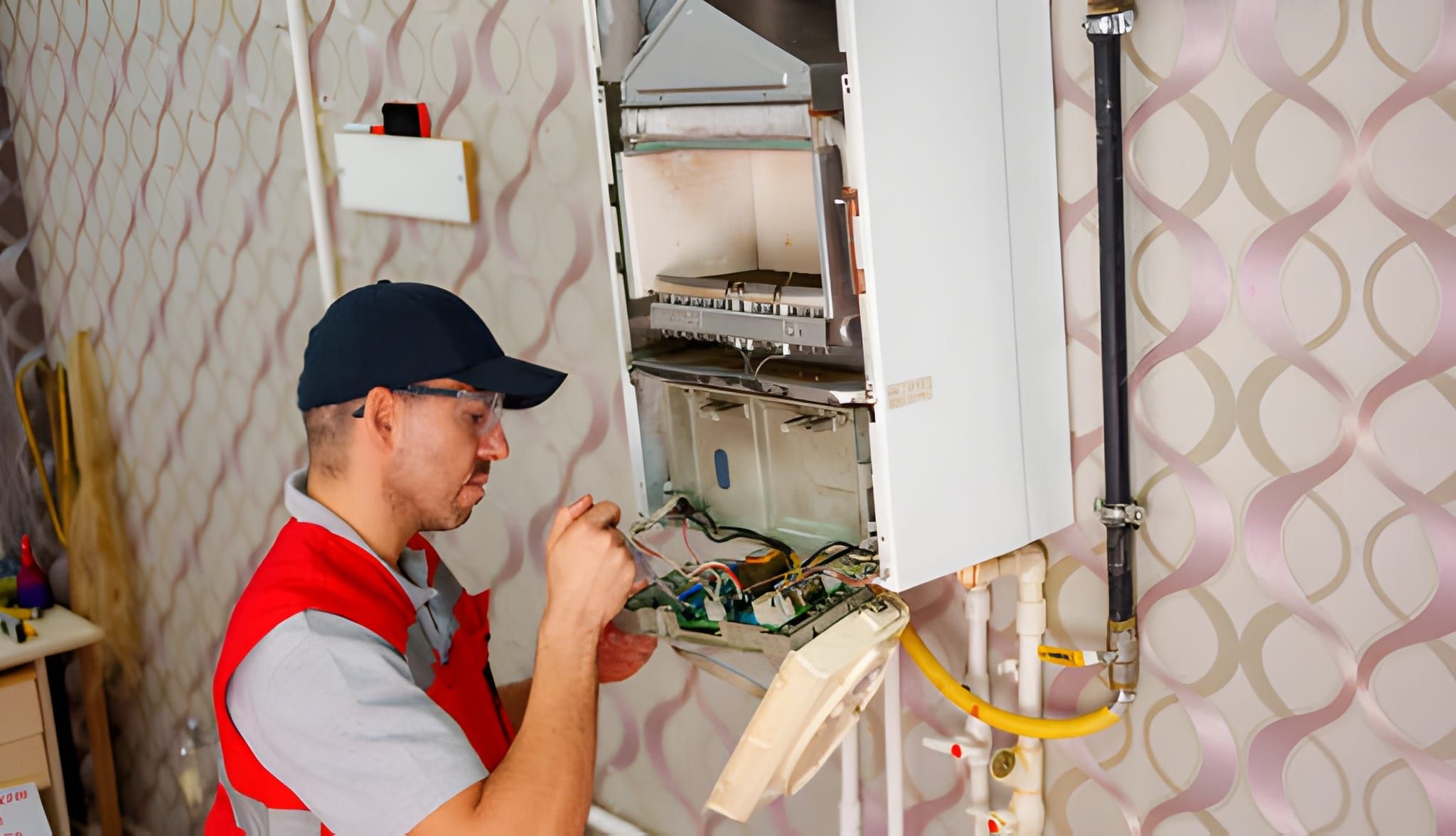
Why heating maintenance matters in Topanga, CA
Topanga’s climate is generally mild, but cold nights and occasional winter storms require dependable heat. Many homes are older or situated on steep lots, which can complicate installation and airflow. Local factors that increase the value of regular heating maintenance include:
- Wildfire smoke and ash that can clog filters and reduce indoor air quality
- Salt-laden marine air that accelerates corrosion on outdoor components
- Nonstandard duct runs and insulation differences common in hillside homes
- Intermittent use patterns that can hide slow-developing issues until peak cold nights
Regular inspections catch hidden problems early, keep systems running efficiently, and protect indoor comfort during the cooler months.
Common heating systems and common issues in Topanga, CA
Typical systems in Topanga homes include gas furnaces, electric furnaces, heat pumps (air-source), and ductless mini-splits. Common heating maintenance issues in Topanga, CA include:
- Restricted airflow from clogged filters, vents, or contaminated ducts
- Reduced heat output due to dirty burners, heat exchangers, or outdoor coil corrosion
- Short cycling caused by thermostat, airflow, or refrigerant issues
- Ignition or pilot problems in gas furnaces after long off-seasons
- Corrosion and wear on outdoor components exposed to marine air
- Indoor air quality degradation from wildfire particulates
Addressing these issues during scheduled maintenance prevents emergency service calls and improves system longevity.
What a comprehensive maintenance program includes
A full program combines scheduled inspections, preventive tasks, and membership benefits to prioritize reliability and cost control. Core elements typically include:
- Scheduled inspections
- Annual or semiannual visits timed for fall and/or spring, depending on system type
- Pre-season check to ensure reliable performance when temperatures drop
- Preventive maintenance tasks
- Replace or clean air filters and recommend filter types for wildfire smoke
- Clean burners, heat exchangers, and blower assemblies
- Inspect and clean outdoor coils and condensate drains
- Check, calibrate, and test thermostats and controls
- Verify proper airflow and examine ductwork for leaks or blockages
- Lubricate motors and moving parts; check belts and pulleys
- Test ignition systems, gas lines, and safety controls
- Measure system performance: temperature rise, combustion efficiency (for gas systems), and electrical draw
- Priority service and member benefits
- Priority scheduling during peak demand and inclement weather
- Discounts on parts and labor for routine repairs and upgrades
- Coverage options that can include parts and labor for specific components under defined terms
- Preferred service windows and expedited dispatch for members
Parts and labor coverage details (what to expect)
Maintenance memberships often include preferential pricing and optional coverage for common repair items. Typical coverage outlines:
- Discounts on replacement parts and reduced hourly labor rates for members
- Optional add-on plans that extend limited parts and labor coverage to specified components for covered events
- Clear terms defining which parts are covered, any exclusions, and how warranty or coverage claims are documented
Having a maintenance plan that clarifies parts and labor coverage simplifies decision making when repairs are needed and reduces surprises.
Documentation provided after each visit
After every inspection or service visit, thorough documentation ensures transparency and builds a useful service history:
- A detailed checklist of performed tasks and observations
- Photographs of key components when corrosion, leaks, or damage are found
- Measured performance data such as temperature rise, system pressures, or combustion readings
- Recommended actions and prioritization for future repairs or upgrades
- Date-stamped service records that help with warranty claims and future resale value
This record keeps homeowners informed and creates a reliable timeline of care for the heating system.
How regular maintenance extends equipment life and reduces utility costs
Routine maintenance improves efficiency and prevents small problems from becoming major failures. Key benefits include:
- Improved efficiency: Clean burners, coils, and filters allow systems to transfer heat more effectively, reducing run time and energy consumption.
- Reduced wear: Proper lubrication, belt tension, and airflow balance decrease mechanical stress on motors and compressors.
- Fewer emergency repairs: Early detection of corrosion, leaks, or failing components prevents catastrophic failures that shorten equipment life.
- Safer operation: Regular safety checks reduce the risk of gas leaks or carbon monoxide issues in gas-fired systems.
- Better indoor air: Replacing filters and addressing duct contamination lowers the load from particulates, especially important after wildfire events.
Collectively, these factors lower monthly utility costs and push the end-of-life for expensive equipment further into the future.
Diagnostic and repair process during a maintenance visit
A typical maintenance visit follows a consistent, thorough process:
- Visual inspection of indoor and outdoor units and easy-to-access ductwork
- Filter check and replacement or cleaning as needed
- Performance measurements: airflow, temperatures, electrical load, and combustion efficiency if applicable
- Targeted cleaning: burners, coils, blower compartments, and condensate drains
- Functional tests of thermostats, safety devices, and controls
- Documentation of findings and recommendations for repairs, including parts and labor implications for members
This structured approach ensures nothing is overlooked and decisions are based on measured data.
Maintenance schedule recommendations for Topanga homes
For most Topanga homes:
- Schedule an annual fall inspection for furnaces and heat pumps used for heating
- Consider a spring tune-up for heat pumps that are used year-round for both heating and cooling
- Replace HVAC filters more frequently during wildfire season or if the home experiences heavy dust or pet usage
- Add mid-season checks after significant wildfire smoke events to assess indoor air quality impact
Small homeowner actions between visits—like changing filters monthly during heavy-use periods, keeping vents clear, and maintaining good clearance around outdoor units—also contribute to system longevity.
Regular heating maintenance in Topanga, CA aligns system reliability with local environmental demands, delivers predictable operating costs, and protects comfort when colder nights arrive. Membership-based maintenance programs that combine scheduled inspections, preventive tasks, priority service, and clear parts and labor benefits provide the most consistent pathway to lower bills and longer equipment life.
Customer
Testimonials
Our customers consistently praise the exceptional service and professionalism of our team. They appreciate the honest advice, meticulous work, and the care taken to ensure their satisfaction.

.webp)
Service Areas
