

Smart Thermostat Installation in Topanga, CA

Topanga residents seeking smart thermostats gain precise climate control, energy savings, and better indoor air management through professional installation. The service assesses compatibility across gas furnaces, heat pumps, wiring (including C-wire) and zoning, then configures multi-stage systems with seamless home automation. The process includes pre-install assessment, safe power isolation, accurate wiring, mounting, network setup, and testing. Ongoing support covers firmware updates, filters, seasonal tuning, and post-install assistance, ensuring reliable performance during canyon temperature swings and wildfire smoke events.
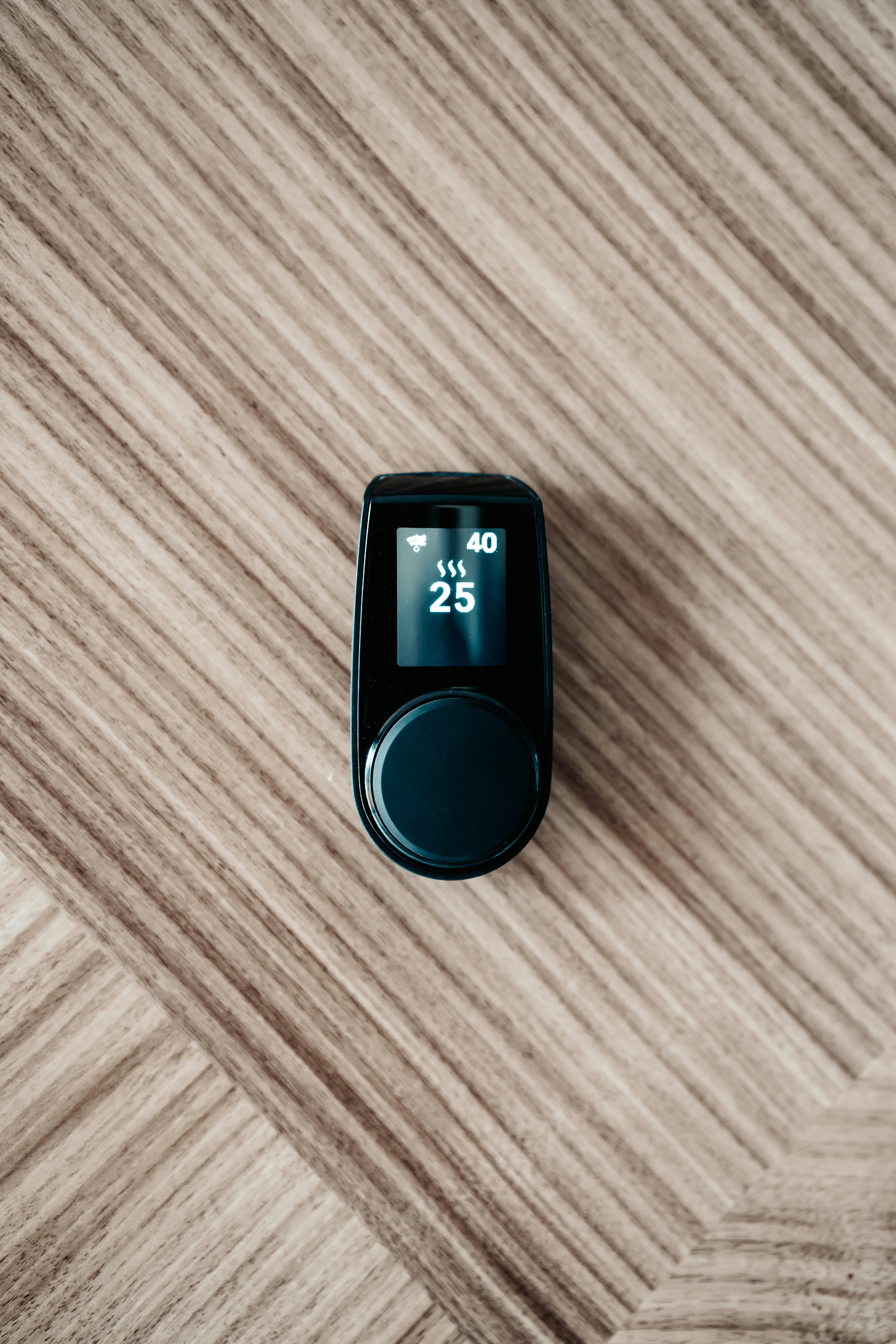
Smart Thermostat Installation in Topanga, CA
Smart thermostat installation in Topanga, CA helps homeowners gain precise comfort control, lower energy use, and better indoor air management in a community with steep microclimates and shifting canyon temperatures. Whether your priority is remote access from the office, automated scheduling for varying day/night canyon breezes, or integrating climate control with home automation, a professionally installed smart thermostat delivers reliable performance while protecting your HVAC equipment.
Common smart thermostat needs in Topanga, CA
- Upgrading aging thermostats to enable remote control and scheduling
- Improving comfort across different rooms affected by canyon microclimates
- Coordinating HVAC operation with high energy costs and time-of-use periods
- Managing ventilation and indoor air quality during wildfire smoke events
- Integrating thermostat control with smart lighting, voice assistants, and home automation systems
Compatibility check and diagnostics
Before installation, a technician will assess your HVAC system and home wiring to ensure compatibility. Typical checks include:
- HVAC system type: gas furnace, heat pump, packaged system, or multi-stage equipment
- Control wiring: presence of a C-wire (common) or need for an adapter; verifying R, W, Y, G, O/B, and accessory terminals
- Voltage & control signals: confirming low-voltage thermostat control or line-voltage requirements
- Zoning and multiple thermostats: evaluating existing zone controls, dampers, and compatibility with multi-zone smart thermostats
- Internet/Wi-Fi: testing signal strength where the thermostat will be mounted
If incompatibilities are found, a professional can recommend wiring solutions, compatible thermostat models, or minor HVAC control upgrades to enable smart features without risking system damage.
Professional installation process
A methodical professional installation protects your HVAC system and ensures the smart thermostat functions as intended. Typical steps:
- Pre-install assessment: final compatibility and placement decision based on site conditions and Wi-Fi coverage.
- Power isolation: turning off HVAC power at the breaker for safe wiring work.
- Labeling and wiring: documenting and transferring existing thermostat wires to the new smart thermostat or installing a C-wire/adapter if needed.
- Mounting: securing the thermostat on a level surface away from drafts, direct sunlight, or internal heat sources.
- System configuration: selecting the correct HVAC type, fan control, staging, and heat pump settings in the thermostat menus.
- Wi-Fi and account setup: connecting the thermostat to the home network, creating or linking the device account, and enabling app-based access.
- Integration: pairing with home automation platforms such as voice assistants, routines, and smart home hubs where applicable.
- Commissioning and testing: verifying heating and cooling cycles, fan control, and automated schedules; testing remote access and sensors.
- User training: demonstrating the app, scheduling tools, energy reports, and basic troubleshooting to the homeowner.
Integration with home automation platforms
Smart thermostats are often central to a connected home. Professional installation includes reliable integration with:
- Voice assistants for hands-free control
- Home automation hubs for rule-based actions (for example, lowering temperature when security systems arm)
- Smart sensors for improved occupancy detection and multi-room balancing
- Solar or battery systems to coordinate energy use during generation peaks
Proper integration avoids conflicts between devices and ensures routines operate safely with your HVAC equipment.
Energy-saving features and benefits
Smart thermostats provide several practical ways to reduce energy usage:
- Adaptive scheduling learns occupancy patterns to minimize runtime when the home is empty.
- Geofencing adjusts settings automatically based on whether occupants are home or away.
- Energy reports show usage trends and actionable recommendations.
- Smart recovery brings the home to target temperature efficiently without unnecessary runtime.Many homeowners in similar climates see noticeable reductions in energy use, often in the range of 10 to 20 percent depending on habits and system efficiency.
In Topanga, where daytime canyon heat can give way to cool nights, smart scheduling and adaptive control prevent overcooling and unnecessary runtime across those swings. Smart control also helps avoid running HVAC systems during peak rate windows, when applicable.
Common issues and troubleshooting
- No C-wire: smart thermostats may require a common wire; solutions include adding a C-wire, installing an adapter, or selecting a low-power model.
- Weak Wi-Fi: poor signal can interrupt remote control; options include relocating router, adding a Wi-Fi extender, or using a thermostat with robust cellular fallback.
- Incorrect system type settings: improper configuration can cause short cycling or no call for heat/cool; verified during commissioning.
- Inconsistent readings: sensor placement and calibration can be corrected by relocation or pairing additional sensors.
- Account or app problems: re-linking accounts, updating firmware, and verifying network credentials usually restore full functionality.
Professional technicians perform root-cause diagnosis and prevent repeat issues by addressing wiring, placement, and network reliability.
Maintenance, firmware updates, and support options
A smart thermostat requires occasional attention to keep performance optimized:
- Check for and install firmware updates to maintain security and new features.
- Replace HVAC filters regularly to reduce strain on the system and maintain accurate temperature control.
- Revisit schedules seasonally to align with changing occupancy and weather patterns.
- Use professional seasonal tune-ups to ensure the thermostat and HVAC system operate efficiently together.
Many installers offer post-install support, remote diagnostics, and firmware management to keep your system current and reliable.
Why professional installation matters in Topanga homes
Topanga’s varied elevations, temperature swings, and air quality events make thoughtful placement and configuration essential. Professional installation protects sensitive controls, preserves HVAC warranties, and tailors thermostat behavior to local conditions—balancing comfort, indoor air quality, and energy efficiency. Proper setup also ensures safe interaction with heat pump switching, multi-stage systems, and home automation platforms.
Smart thermostat installation in Topanga, CA provides precise comfort control, energy insights, and robust integrations suited to canyon living. With a careful compatibility check, professional wiring and setup, and targeted user training, homeowners get a dependable system that responds to local climate patterns and daily life while reducing unnecessary energy use and improving indoor comfort.
Customer
Testimonials
Our customers consistently praise the exceptional service and professionalism of our team. They appreciate the honest advice, meticulous work, and the care taken to ensure their satisfaction.

.webp)
Service Areas
