

Heating Tune-up in Los Angeles, CA

Heating tune-ups in Los Angeles, CA protect comfort, efficiency, and safety by proactively maintaining residential systems against coastal corrosion, pollen, smoke, and variable heating loads. A typical tune-up includes burners, heat exchangers, safety controls, thermostats, airflow, duct inspection, and refrigerant checks for heat pumps. Technicians perform cleaning, adjustments, and safety tests, then provide performance data and recommended maintenance. Regular annual tune-ups improve efficiency, reliability, and indoor air quality, and help prevent unexpected cold-weather emergencies for homes with furnaces or heat pumps.
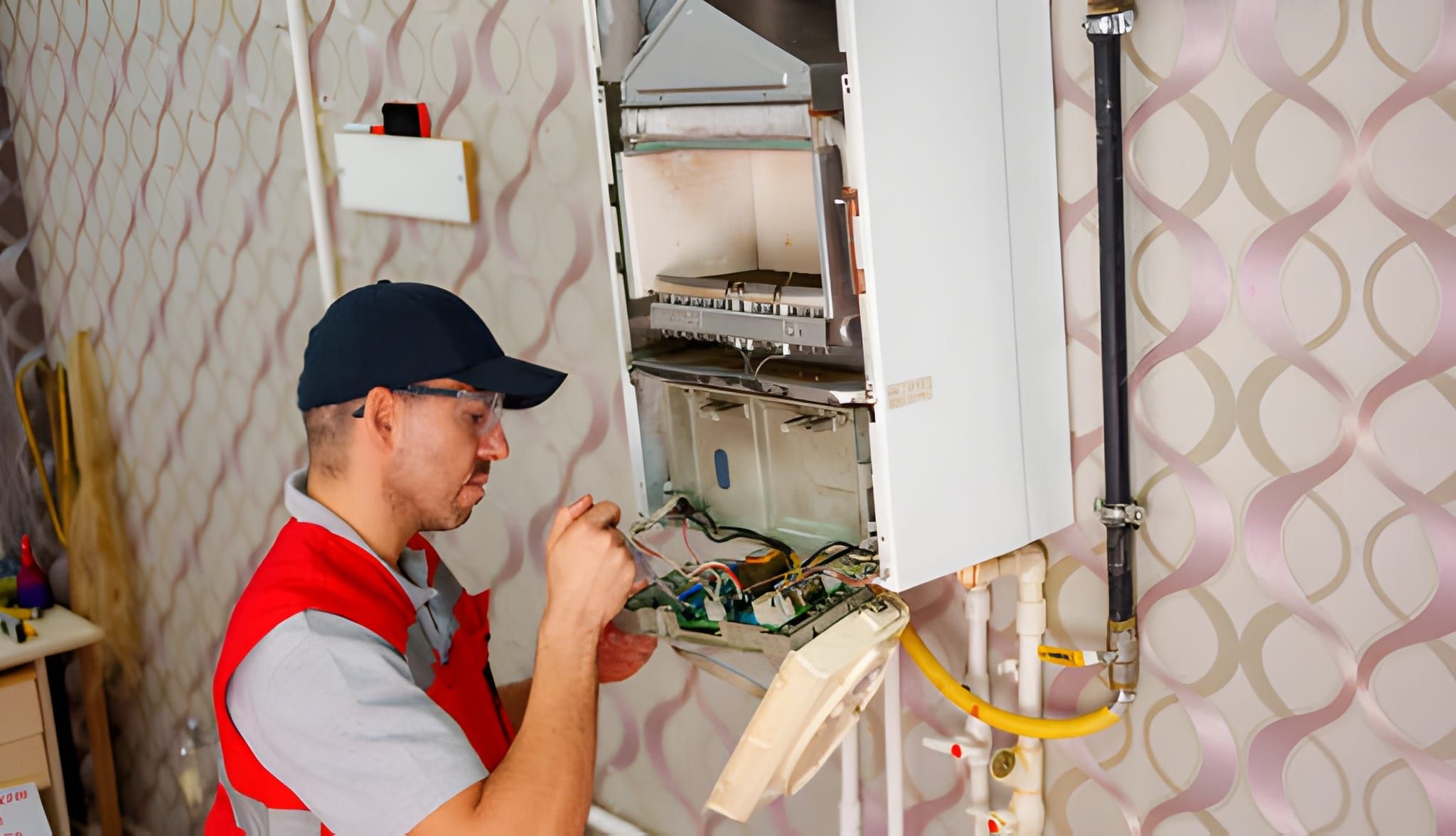
Heating Tune-up in Los Angeles, CA
A seasonal heating tune-up in Los Angeles, CA keeps your home comfortable, efficient, and safe during those cooler nights and occasional cold snaps. Even though winters here are milder than in many parts of the country, coastal humidity, inland temperature swings, and airborne dust and pollen place specific demands on heating systems. A professional tune-up prevents unexpected breakdowns, restores peak efficiency, and extends the life of your furnace or heat pump — all important for Greater Los Angeles households that rely on reliable, economical winter heating.
Why a heating tune-up matters for Los Angeles homes
Los Angeles homes face unique conditions that affect heating equipment:
- Coastal salt air and urban pollution can accelerate corrosion on outdoor components and connections.
- Seasonal pollen, dust, and wildfire smoke residue can clog filters and reduce indoor air quality.
- Mild but irregular heating loads mean systems cycle on and off frequently, which can expose weak components and controls.A tune-up addresses these local stressors, improving performance when you need it and avoiding emergency repairs during cold evenings.
Common heating systems in Los Angeles and what a tune-up covers
Technicians tune up the most common residential systems in the area:
- Gas furnaces: inspection and cleaning of burners, ignition systems, heat exchanger checks, safety controls, and gas valve operation.
- Electric furnaces and electric-resistance heating: electrical connections, contactors, and safety interlocks.
- Heat pumps and ductless mini-splits (heating mode): refrigerant checks, reversing valve function, coil cleaning, and defrost cycle assessment.
- Hybrid systems: integrated checks for both heat pump and furnace components.
Standard inspection and maintenance checklist
A comprehensive heating tune-up includes a systematic inspection, adjustments, cleaning, and testing. Typical checklist items:
- Air filter inspection and replacement or cleaning
- Verify filter type and condition; replace or clean to restore airflow and protect internal components.
- Burner and combustion inspection (gas systems)
- Clean burners, check flame pattern, adjust fuel/air mixture for efficient combustion.
- Heat exchanger inspection
- Visual and, when indicated, further testing for cracks or corrosion that can lead to carbon monoxide leaks.
- Ignition and pilot system
- Test electronic ignition, pilot light stability, and flame sensors for reliable starts.
- Safety controls and limit switches
- Test pressure switches, high limit controls, rollout switches, and emergency shutoffs.
- Blower motor and fan assembly
- Clean blower wheel, lubricate bearings (if serviceable), check motor amperage and capacitor condition.
- Airflow measurement and duct inspection
- Assess static pressure and airflow, inspect accessible ducts for disconnections or excessive dust hindering performance.
- Thermostat calibration and control checks
- Confirm thermostat accuracy, program settings, and communication with the HVAC system.
- Electrical connections and components
- Tighten terminals, inspect relays and contactors, check voltage and amperage against manufacturer specs.
- Combustion gas and flue inspection (gas systems)
- Ensure proper venting, flue integrity, and no blockages; verify safe exhaust flow.
- Carbon monoxide and safety sensor check
- Test CO detectors and recommend placement or replacement if needed.
- System performance test
- Run the system through a full cycle, measure supply and return temperatures, and confirm steady operation.
For heat pumps, additional items include refrigerant charge verification, outdoor coil cleaning, and reversing valve checks. Technicians will note refrigerant leaks or coil damage that require repair.
How the tune-up process works
A typical professional tune-up follows these steps:
- Initial system startup and observation of symptoms or trouble codes.
- Visual inspection of indoor and outdoor units, including wiring and access panels.
- Filter service and targeted cleaning of burners, coils, and blower components.
- Mechanical and electrical adjustments, tightening, and lubrication as needed.
- Safety tests for combustion and controls and verification of proper venting.
- Thermostat calibration and performance testing in heating mode.
- Written service report detailing findings, recommended repairs, and maintenance performed.
Technicians will document measurable results such as temperature differentials, motor amperage, and gas pressure to give you a clear picture of system health.
Benefits of regular heating tune-ups
- Improved efficiency: Clean burners, correct airflow, and proper calibration reduce energy use and lower utility costs.
- Greater reliability: Preventive maintenance identifies worn parts before they fail, reducing the risk of emergency service calls during cold evenings.
- Longer equipment life: Routine care reduces stress on components and delays the need for premature replacement.
- Safer operation: Inspection of heat exchangers, combustion, and CO pathways lowers the risk of carbon monoxide exposure and other hazards.
- Better indoor air quality: Filter replacement and duct checks reduce dust, pollen, and smoke particles circulating in your home.
- Consistent comfort: Balanced airflow and calibrated controls keep temperatures stable across living spaces.
Recommended frequency and timing
- Annual tune-up is recommended for most systems, ideally scheduled in early fall (September to October) before Los Angeles temperatures dip. This timing ensures peak performance for the entire cooler season.
- Homes with heavy wildfire smoke exposure, older systems, or high indoor pollutant loads may benefit from semi-annual checks or more frequent filter changes.
- If you own a hybrid system or a heat pump used year-round for heating and cooling, consider a twice-yearly inspection to cover both heating and cooling seasons.
Service agreements and maintenance plans
A maintenance plan provides predictable, professional care over time and typically includes:
- Scheduled annual or biannual tune-ups with reminder scheduling.
- Priority booking during peak times to avoid long delays.
- Reduced diagnostic fees or preferred rates on labor and replacement parts.
- A maintenance record that helps preserve manufacturer warranties and supports equipment valuation at resale.
- Seasonal system checks to address both heating and cooling needs for homeowners who use heat pumps or combined systems.
Maintenance plans are particularly valuable in Los Angeles where quick response during episodic cold snaps or poor air quality events reduces downtime and exposure to unhealthy indoor air.
- Overnight breakdowns when temperatures drop.
- Costlier repairs caused by cascading failures (for example, a locked blower causing compressor damage).
- Safety emergencies related to undetected combustion or venting problems.
Technicians replace small, economical parts or make timely adjustments that preserve the system’s integrity and keep repair costs manageable.
A seasonal heating tune-up in Los Angeles, CA is more than a checklist — it’s preventive care tailored to local conditions like coastal corrosion, urban dust, and occasional cold periods. Annual inspection and maintenance ensure safe operation, reduce energy waste, and provide dependable comfort through the cooler months. For homes with heat pumps or combined systems, coordinating heating and cooling maintenance in a plan saves time and protects equipment year-round. Regular tune-ups are the practical, cost-effective way to avoid emergency repair disruptions and to keep your home warm, efficient, and safe.
Customer
Testimonials
Our customers consistently praise the exceptional service and professionalism of our team. They appreciate the honest advice, meticulous work, and the care taken to ensure their satisfaction.

.webp)
Service Areas
