

Heating Replacement in Topanga, CA

Topanga homeowners seeking heating replacement will learn from Precise Air Systems (FERGUSON) when replacement is warranted, compare modern high-efficiency options, and understand the replacement process from precise sizing to commissioning. Our guide highlights the best choices such as high-efficiency gas furnaces, electric heat pumps, and hybrid systems, plus ductless solutions perfect for additions. We outline typical timelines, potential savings on energy bills, available incentives in California, and crucial maintenance steps to maximize performance, comfort, air quality, and long-term reliability. We highlight local incentives and practical planning to reduce disruption and ensure excellent value.
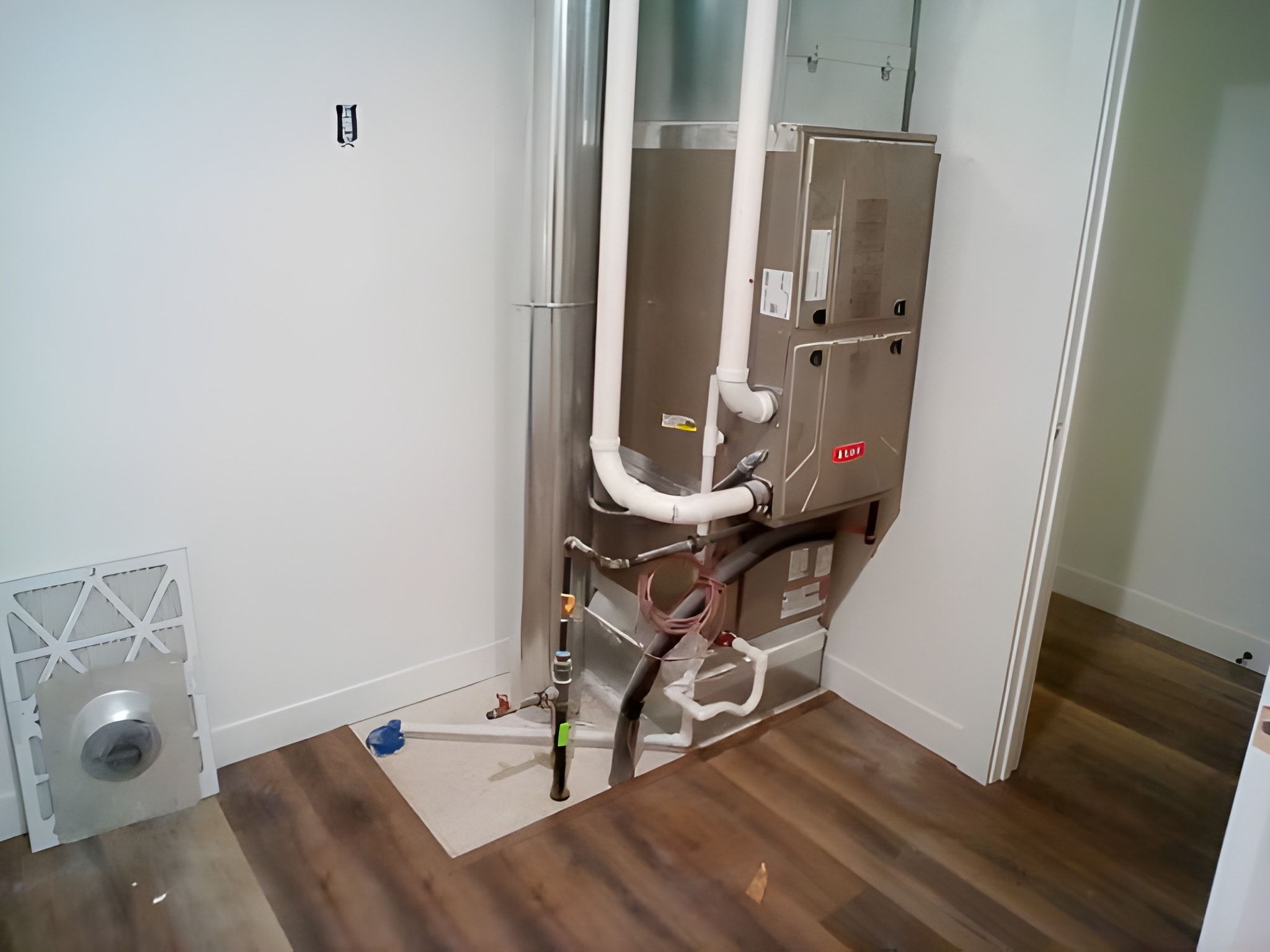
Heating Replacement in Topanga, CA
Replacing the heating system in a Topanga home is a decision that affects comfort, indoor air quality, safety, and long-term energy costs. With mild coastal-canyon winters, greater awareness of wildfire smoke, and California’s aggressive energy-efficiency standards, homeowners in Topanga have specific priorities: reliable night-time warmth, low operating costs, and better filtration. This guide explains how to recognize when replacement is appropriate, compares modern high-efficiency options, outlines the replacement process, and details the efficiency benefits, likely savings, timeline, and local incentives relevant to Topanga, CA.
Why consider heating replacement in Topanga, CA
Topanga’s climate often means shorter heating seasons but fluctuating overnight lows. Older systems in canyon homes can struggle with efficiency and indoor air quality, especially when wildfire smoke creates the need for enhanced filtration and sealed building envelopes. Replacing an aging furnace or heat source can:
- Improve comfort during cold snaps and damp nights
- Reduce monthly utility bills and greenhouse gas emissions
- Enable advanced filtration to protect against smoke and particulates
- Reduce repair downtime and unexpected failures
Common signs it’s time to replace your heater
Watch for these end-of-life or performance indicators in Topanga homes:
- Frequent breakdowns or expensive repairs: Repeated component failures indicate declining reliability.
- Uneven heating or long run times: Older systems often cannot keep up with distribution needs in renovated or tightened homes.
- Rising energy use despite routine maintenance: Efficiency loss over time can result in higher bills.
- Noisy operation or cycling on and off frequently: Mechanical wear and short-cycling shorten lifespan.
- Safety concerns: Rusted heat exchangers or gas odors require immediate attention and often prompt replacement.
- Poor indoor air quality: If filtration upgrades can’t compensate for system limitations, a replacement with integrated filtration may be best.
Modern high-efficiency heating options compared
For Topanga homeowners, choosing the right replacement means weighing efficiency, emissions, comfort, and compatibility with existing ductwork or solar systems.
- High-efficiency condensing gas furnaces
- Pros: High space-heating output, familiar technology, works well in homes with existing gas lines.
- Efficiency: Modern units deliver much higher AFUE than older models, cutting fuel use significantly.
- Considerations: Requires proper venting and condensate management.
- Electric heat pumps (air-source and mini-split)
- Pros: Excellent efficiency for mild climates, provide both heating and cooling, can be combined with heat pump water heaters and electrified home systems.
- Efficiency: Heat pumps move heat rather than generate it, often delivering multiple units of heat per unit of electricity consumed.
- Considerations: In Topanga’s moderate climate, a heat pump often meets the full heating load; cold-climate models or hybrid systems may be chosen where needed.
- Hybrid systems (heat pump + gas furnace)
- Pros: Best of both worlds—heat pump efficiency for most days with a gas furnace backup for peak cold periods.
- Considerations: Good option where electrification is desired but backup reliability is important.
- Ductless mini-splits
- Pros: Ideal for additions, older homes without ducts, or zonal control; high efficiency and quick installation.
- Considerations: Multiple indoor units may be needed for whole-house coverage.
The replacement process: what to expect
A professional heating replacement typically follows these stages:
- Assessment and load calculation
- A qualified technician evaluates your home’s heating load, insulation, ductwork condition, and air-sealing level to recommend properly sized equipment.
- System selection
- Choose a system type and model that match your needs, efficiency goals, and existing infrastructure.
- Removal and disposal
- The technician safely disconnects and removes the old equipment and disposes of it per local regulations, including refrigerant recovery when applicable.
- Installation
- Installation includes mounting the new equipment, connecting gas or electrical lines, integrating controls/thermostats, sealing and balancing ducts, and installing filtration or ventilation upgrades as needed.
- Testing and commissioning
- Technicians test safety controls, measure temperature differentials, verify airflow, and explain system operation and maintenance needs.
- Documentation
- You receive manufacturer warranty registration, maintenance recommendations, and guidance on efficiency settings.
Expected costs and savings (what matters most)
Instead of focusing on dollar figures, consider the factors that determine replacement cost and long-term savings:
- Primary cost drivers
- System type (heat pump vs furnace), unit efficiency level, complexity of ductwork or electrical upgrades, permitting requirements, and any required removal of hazardous components.
- Operating cost differences
- Modern high-efficiency systems typically lower monthly heating expenses through improved energy conversion and better control. In Topanga’s mild climate, switching to an efficient heat pump or high-AFUE furnace commonly produces noticeable reductions in seasonal heating bills.
- Lifecycle savings and payback
- Efficiency upgrades reduce fuel or electricity consumption each year; combined with lower maintenance needs, this results in cumulative savings that offset initial investment over the system’s service life. The exact payback depends on local utility rates, usage patterns, and whether any incentives are applied.
- Value beyond bills
- Improved comfort, better air filtration (important for wildfire seasons), and increased home value are additional returns that matter in Topanga real estate.
Energy efficiency benefits
Replacing an outdated heater with a high-efficiency model delivers measurable benefits:
- Lower energy consumption: New systems convert more of your energy into usable heat, reducing waste.
- Cleaner indoor air: Modern systems integrate higher-efficiency filters and compatible ventilation strategies to manage smoke and particulates.
- Reduced emissions: Electrifying heating or improving combustion efficiency reduces on-site greenhouse gas emissions.
- Better humidity and comfort control: Heat pumps can manage both heating and cooling, maintaining consistent indoor conditions.
Timeline and disruptive impacts
Expect a professional replacement to take from a single day up to several days depending on scope:
- Simple like-for-like swaps are often completed in one day.
- Upgrades requiring ductwork modification, electrical service changes, or conversion from gas to electric may take multiple days and require inspections.
- Disruptions include temporary noise, dust, and limited access to mechanical areas. Good installers will protect floors, schedule work to minimize inconvenience, and leave the site clean.
Incentives, rebates, and financing in Topanga, CA
California and local utilities offer programs that can significantly reduce net costs and accelerate savings:
- State and federal incentives: California has appliance and electrification rebates and federal tax credits for selected energy-efficient equipment—these can make certain heat pump and electrification projects more economical.
- Local utility rebates: Southern California energy programs often provide rebates or reduced-rate financing for qualifying equipment or whole-home upgrades.
- Financing options: Many homeowners use energy-efficient financing programs, home improvement loans, or on-bill financing from utilities to spread upfront costs while capturing immediate energy bill reductions.
When planning replacement, request documentation of eligible incentives and make sure equipment specifications meet program requirements.
Maintenance and getting the most value
To maximize efficiency and system life in Topanga homes:
- Schedule annual or biannual tune-ups and filter changes.
- Seal and insulate ducts and improve attic/crawlspace insulation where practical.
- Use programmable or smart thermostats to avoid unnecessary runtime.
- Consider integrating indoor air quality upgrades if wildfire smoke is a recurring issue.
Replacing a heating system is an investment that pays back in comfort, reliability, and ongoing savings—especially in Topanga where climate, air quality concerns, and California incentives make high-efficiency choices particularly worthwhile.
Customer
Testimonials
Our customers consistently praise the exceptional service and professionalism of our team. They appreciate the honest advice, meticulous work, and the care taken to ensure their satisfaction.

.webp)
Service Areas
