

Improve Home Insulation for Ultimate Comfort and Savings

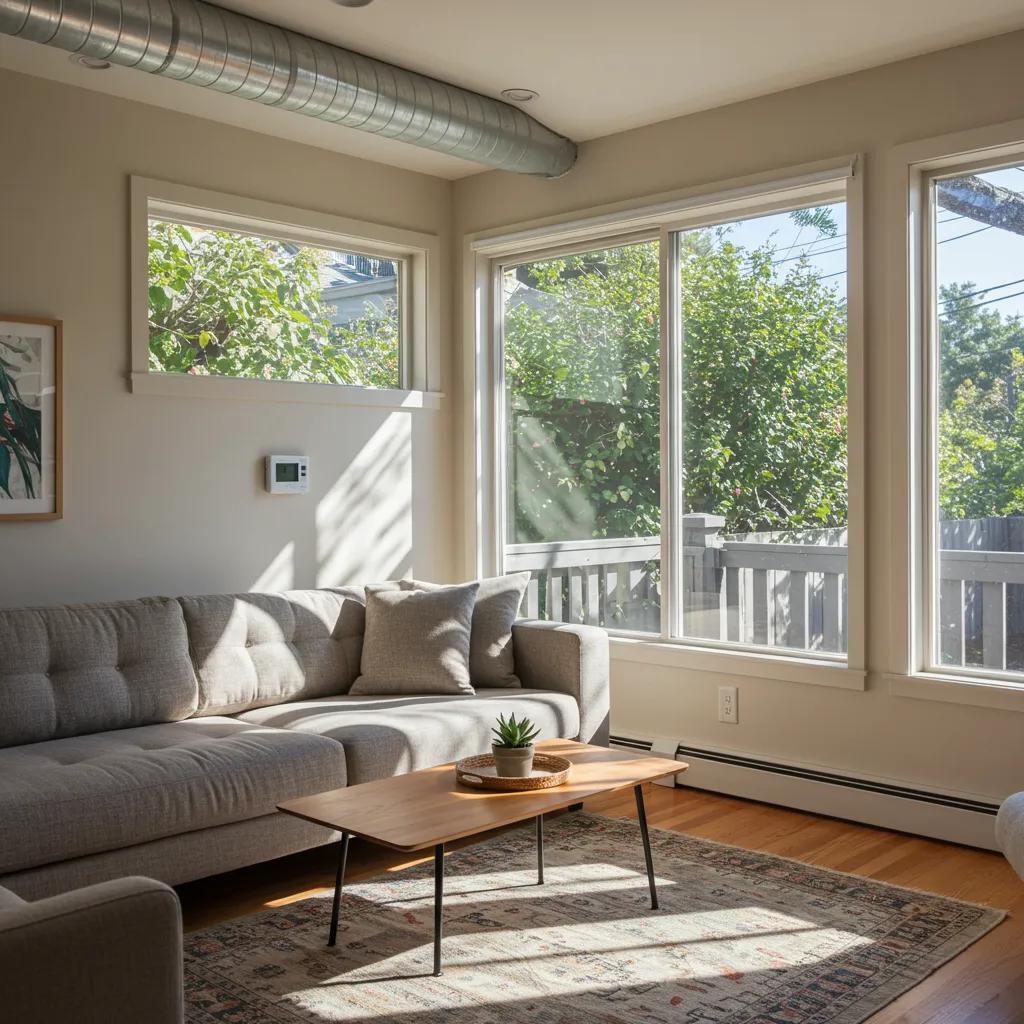
Improve Home Insulation for Ultimate Comfort and Savings
Boost Your Los Angeles Home's Efficiency: Expert Insulation Services for Ultimate Comfort and Savings
Homes in Los Angeles can lose as much as 30% of their heating and cooling energy through poorly insulated walls and roofs, leading to higher bills and less comfort. By upgrading your home’s insulation, you can secure lower energy costs, enjoy enhanced thermal comfort, and improve your indoor air quality. This guide explains why insulation is crucial for the Southern California climate, reviews top insulation types, deciphers R-values for local use, outlines the installation process with Precise Air Systems, examines costs and savings, explores HVAC synergy, addresses common insulation issues, and helps you choose a trusted contractor. Whether you’re considering spray foam, blown-in, or batt options, you’ll find a comprehensive plan to optimize your home’s energy performance.
Why Upgrading Home Insulation is a Must for Los Angeles Residences
Enhancing home insulation means adding or improving materials that resist heat transfer, creating a thermal barrier that keeps indoor temperatures steady. This is especially important in Los Angeles, where summer heat and winter cool spells put a strain on HVAC systems. Proper insulation reduces energy loss, lowers utility bills, and promotes a healthier living environment. For homeowners, business owners, and contractors alike, strengthening the building envelope leads to tangible cost savings and greater occupant comfort year-round.
With rising energy prices anticipated in 2025 and a significant portion of housing stock being under-insulated, insulation upgrades represent a smart investment. Heat escaping through attic ceilings and exterior walls forces air conditioners and heaters to work overtime, increasing wear and energy consumption. Addressing these pathways with correctly rated insulation materials aligns with energy efficiency goals and offers a quick return on investment. The following sections delve into how insulation achieves these benefits in three key areas.
How Does Insulation Drive Energy Efficiency and Lower Your Bills?
Insulation boosts energy efficiency by forming a continuous barrier that minimizes conductive and convective heat flow, requiring less mechanical cooling or heating to maintain your desired temperatures. In Los Angeles, adding attic insulation can slash annual cooling costs by up to 15%, while improving wall insulation offers similar reductions in HVAC demand.
• Reduced Demand: Lower peak heating and cooling needs mean less energy consumption.
• Cost Savings: Your monthly utility bills decrease as systems run less often.
• Equipment Longevity: HVAC components experience less stress from reduced runtime.
These savings add up over the insulation’s lifespan, often covering installation costs within five to seven years. By cutting down on wasted energy, homeowners can redirect their budget to other priorities.
What Role Does Insulation Play in Maintaining Consistent Thermal Comfort?
Insulation helps maintain thermal comfort by stabilizing temperature differences between indoor and outdoor surfaces, preventing hot spots in summer and cold drafts in winter. It shields occupants from fluctuating outdoor temperatures, ensuring a steady indoor climate.
• Surface Temperature Control: Interior surfaces stay closer to your thermostat setting.
• Uniform Air Distribution: Reduced heat loss minimizes cold drafts near walls and windows.
• Humidity Regulation: When paired with vapor barriers, insulation helps manage moisture levels, preventing stuffiness.
Achieving a stable thermal environment enhances occupant well-being, reduces the need for constant thermostat adjustments, and elevates your overall living experience.
How Does Proper Insulation Enhance Your Indoor Air Quality?
Integrating proper insulation often includes air sealing measures that block unfiltered outdoor air from entering your home, reducing the influx of allergens, dust, and pollutants. By sealing gaps around openings and adding insulation, homes become less susceptible to pollutants from garages, crawl spaces, or exterior vents.
• Pollutant Control: Limits the entry of dust, pollen, and urban smog.
• Moisture Management: Properly constructed assemblies with vapor control reduce the risk of mold.
• Health Benefits: Improved air quality supports better respiratory health.
Together, energy savings, enhanced comfort, and cleaner air create a comprehensive benefit package that establishes insulation as a cornerstone of healthy, efficient homes.
What Are the Top Home Insulation Services Available in Los Angeles?
Los Angeles homes can benefit from a range of specialized insulation solutions, each optimized for specific applications and performance goals. Precise Air Systems provides expert installation for all leading types, allowing us to tailor an approach that matches material properties to your project’s unique requirements. Below is a comparison of the four primary insulation methods.
The following table compares material characteristics and performance attributes relevant to Southern California applications.
Insulation TypeThermal Resistance per InchApplication AreasKey BenefitWhy EssentialOpen-cell Spray FoamR-3.6Attics, WallsSuperior air sealingMinimizes convective heat transferCellulose Blown-InR-3.2Attics, Wall CavitiesEco-friendly recycled fiberFills irregular cavities effectivelyFiberglass BattR-3.1Walls, CeilingsCost-effective, easy to installAccessible for DIY and retrofitsRadiant BarrierReflects up to 97% heatAttic Roof DecksSolar heat reflectionReduces attic heat gain in summer
What Are the Advantages of Spray Foam Insulation in Los Angeles?
Spray foam insulation offers both high R-value and airtight sealing, effectively preventing thermal bridging and air leakage simultaneously. Its ability to expand fills cracks and voids around framing, pipes, and wiring.
• Continuous Seal: Eliminates drafts and cold spots.
• Moisture Control: Closed-cell versions act as vapor barriers.
• Structural Support: Adds rigidity to roof and wall assemblies.
This combination reduces HVAC cycling and enhances indoor comfort, making spray foam a premium choice for energy-efficient Los Angeles homes.
How Does Blown-In Insulation Measure Up for Attics and Walls?
Blown-in insulation, typically cellulose or fiberglass, is versatile for attics and wall cavities, conforming to irregular spaces for even coverage. Its loose-fill nature allows for rapid installation over existing insulation.
• Retrofit Efficiency: Can be installed without major structural changes.
• Settling Resistance: Treated cellulose maintains its loft over time.
• Cost-Effective: Lower material and labor costs compared to spray foam.
For homeowners seeking excellent performance without the highest price tag, blown-in solutions offer a great balance of thermal resistance and project budget.
When Should You Consider Batt Insulation for Your Home?
Batt insulation, available in fiberglass or mineral wool, is ideal for new construction or open-wall renovations where framing cavities are easily accessible. Its pre-cut dimensions fit standard joist and stud spacing.
• DIY Friendly: Simple to place between studs or joists.
• Non-combustible Options: Mineral wool provides fire resistance.
• Acoustic Benefits: Mineral wool variants offer sound dampening.
Batt insulation remains a dependable standard for predictable, uniform installations.
How Do Radiant Barriers Help Deflect Heat in Southern California?
Radiant barriers are layers of reflective foil installed beneath roof decks to intercept solar radiant heat before it enters attic spaces. By blocking up to 97% of radiant energy, they can reduce attic temperatures by as much as 30% on hot days.
• Solar Heat Reflection: Keeps attic surfaces cooler.
• Reduced AC Load: Lowers cooling demand during peak hours.
• Cost-Effective Add-On: Integrates seamlessly with existing insulation systems.
Combining radiant barriers with bulk insulation creates a dual-action system that combats both radiant and conductive heat transfer.
How Do R-Values Impact Home Insulation Performance in Los Angeles?
R-value measures a material’s thermal resistance per unit of thickness, indicating its ability to slow heat flow. Higher R-values provide superior thermal performance, reducing heating and cooling demands. For the Los Angeles climate, selecting R-values optimized for local conditions ensures efficient energy use and occupant comfort.
The table below lists recommended R-values for different areas of a typical Southern California home.
LocationRecommended R-ValueReasonAtticR-38 to R-49Highest potential for heat gain and loss through the roof.Exterior WallsR-13 to R-21Balances thermal performance with cavity depth.Crawl Spaces/FloorsR-25 to R-30Controls heat transfer from the ground.
What Is R-Value and Why Is It Crucial for Thermal Resistance?
R-value quantifies a material’s resistance to conductive heat flow; the higher the R-value, the slower the rate of heat transfer through the insulation layer. This property directly affects indoor temperature stability and the workload on your HVAC system. For instance, upgrading attic insulation from R-19 to R-38 can reduce heat gain by over 50% during peak summer conditions.
R-value considerations guide material selection and layering strategies, ensuring your thermal envelope effectively prevents unwanted heat from entering in summer and escaping in winter, achieving optimal energy efficiency.
What Are the Recommended R-Values for Attics, Walls, and Crawl Spaces in LA?
In Los Angeles, building codes and energy standards suggest attic R-values ranging from R-38 to R-49, wall assemblies from R-13 to R-21, and crawl spaces between R-25 and R-30. These recommendations strike a balance between performance and practical installation, avoiding over-insulation that offers diminishing returns. Homeowners achieve the best results by combining bulk insulation with effective air sealing and moisture control.
How Does the Insulation Installation Process Work with Precise Air Systems?
Precise Air Systems employs a structured, professional approach to insulation projects, ensuring both optimal performance and safety. From the initial assessment to final quality checks, each step incorporates advanced techniques to deliver reliable, energy-efficient results that comply with Southern California building standards.
What Happens During the Initial Energy Audit and Home Assessment?
During an energy audit, our technicians assess your existing insulation levels, identify thermal bridging points, and pinpoint air leakage areas using diagnostic tools like thermal imaging and blower door tests. This evaluation highlights areas of significant energy loss in your attic, walls, and crawl spaces. You’ll receive a detailed report that quantifies current deficiencies and recommends targeted insulation upgrades to meet your energy efficiency goals while maximizing your return on investment.
This thorough assessment is vital for pinpointing specific areas where air can infiltrate your building envelope, as demonstrated in a case study on indoor air quality sealing.
Case Study: Interior Air Sealing Using Sealants and Spray Foam Insulation
As no interior air seal was present around the windows or doors, unconditioned air could infiltrate the building envelope. The successful performance of the buildings in this case study following repairs, as confirmed by blower door testing, indicated that the air barrier was effective.
Case Study: Using Sealants and Spray-Foam Insulation to Create a Continuous Air Barrier from the Interior of Existing Buildings, 2018
How Is Professional Insulation Installed and Air Sealing Performed?
Installation begins with meticulous cavity preparation, removing any obstructions and ensuring surfaces are clean and dry. Depending on your chosen material—spray foam, blown-in, or batt—our trained installers apply the insulation using calibrated equipment or precise manual placement. Simultaneously, air sealing treatments are applied to close gaps around ducts, penetrations, and framing interfaces, preventing uncontrolled airflow. This dual approach of insulation application and air barrier integration secures a continuous thermal envelope.
Effectively sealing air leaks is particularly beneficial for cellulose insulation, as it significantly reduces moisture intrusion into wall cavities.
Cellulose Insulation: Moisture Prevention Through Air Sealing
The vast majority of moisture that enters framing cavities is carried in by air currents; consequently, eliminating air leaks significantly reduces moisture ingress into these cavities. This represents a considerable benefit for cellulose insulation.
Insulating With Cellulose, 2000
When and How Should Old Insulation Be Removed Safely?
Old or water-damaged insulation can harbor mold, pests, or degraded performance and should be removed before new insulation is installed. Our certified crews use protective gear to extract existing materials, safely bagging and disposing of them according to local regulations. Post-removal cleaning of framing and substrates ensures the new insulation bonds correctly and achieves its intended thermal and air-sealing performance.
What Are the Typical Costs and Savings Associated with Home Insulation in Los Angeles?
In Los Angeles, attic insulation projects typically range from $1.40 to $3.60 per square foot, with a 2,500 sq ft attic costing approximately $1,800 to $4,600. Costs vary based on the material chosen, project complexity, and whether removal of old insulation is necessary. Homeowners often recoup their insulation investment within five to seven years through energy bill reductions, which average around 15% annually.
What Factors Influence the Cost of Attic and Wall Insulation?
Several variables affect insulation pricing:
• Material Selection: Premium spray foam costs more per square foot than blown-in cellulose or fiberglass batts.
• Project Size and Accessibility: Larger or hard-to-reach attics require more labor time.
• Removal Requirements: Safely removing old insulation incurs additional disposal fees.
• Air Sealing and Diagnostic Testing: Comprehensive envelope upgrades that include air barrier work increase upfront costs but lead to greater long-term savings.
Understanding these factors ensures transparent budgeting and a clear picture of your expected returns.
How Much Can Homeowners Save on Energy Bills After Insulation Upgrades?
Homeowners can anticipate average energy savings of 15% on heating and cooling expenses, with some properties seeing reductions of 20% or more. These savings translate to hundreds of dollars annually, depending on your usage habits and local energy rates. When combined with potential rebates and tax incentives, the net project cost decreases further, enhancing the overall value.
How Can You Request a Free Insulation Quote from Local Contractors?
To receive a no-obligation insulation quote, contact the Precise Air Systems local team to schedule a home assessment. The process begins with a phone consultation and an on-site evaluation, followed by a detailed written proposal outlining recommended upgrades, material options, and cost estimates. This transparent approach empowers homeowners to compare solutions and make informed decisions.
How Does Home Insulation Work in Tandem with HVAC Systems for Improved Efficiency?
Insulation and HVAC systems work together as a unified energy management solution: insulation minimizes heat gain and loss through the building envelope, while HVAC equipment circulates conditioned air. Enhancing insulation reduces the HVAC system’s workload, allowing it to reach setpoints more quickly and maintain stable temperatures with less operational time.
How Can Proper Insulation Reduce HVAC Load and Extend Equipment Lifespan?
When insulation lowers peak heating and cooling demands, HVAC systems operate within their optimal performance ranges rather than at maximum capacity. This reduced cycling minimizes wear on compressors, fans, and motors, potentially extending equipment lifespan by several years. As a long-term benefit, homeowners face fewer repair expenses and can postpone system replacements.
What Are Common Home Insulation Problems and How Can They Be Resolved?
Even homes with existing insulation often experience performance issues that compromise efficiency and comfort. Identifying and fixing these problems ensures that your insulation investments deliver the expected benefits.
How Does Poor Insulation Lead to Drafts and Uneven Temperatures?
Gaps, voids, and compressed insulation reduce thermal resistance, allowing uncontrolled air movement and heat transfer. Drafty areas near windows, doors, and light fixtures create cold or hot spots that compel occupants to adjust thermostats frequently. Addressing these issues through targeted air sealing and adding more insulation restores consistent indoor conditions.
Conclusion
Upgrading your home’s insulation in Los Angeles not only enhances energy efficiency but also significantly reduces utility bills and improves indoor comfort. By investing in the right insulation solutions, you can create a healthier living environment while enjoying long-term savings. Don’t wait to experience the benefits of a well-insulated home; contact Precise Air Systems today for a personalized assessment. Explore our range of insulation services and take the first step towards a more comfortable and cost-effective home.
Customer
Testimonials
Our customers consistently praise the exceptional service and professionalism of our team. They appreciate the honest advice, meticulous work, and the care taken to ensure their satisfaction.

.webp)
Service Areas
