

Heating Maintenance in Rancho Palos Verdes, CA

Heating services in Rolling Hills Estates, CA offer complete solutions for every stage of system care—from assessment and maintenance to repairs and new installations of gas furnaces, heat pumps, boilers, and hybrid systems. The process includes detailed diagnostics, identification of common issues, and essential safety checks, with special attention to corrosion risks from coastal salt air. Regular tune-ups are emphasized for maintaining efficiency, reliability, and long equipment life. Homeowners also receive guidance on warranties, financing options, service timelines, and what to expect during a standard visit for a smooth and professional experience.
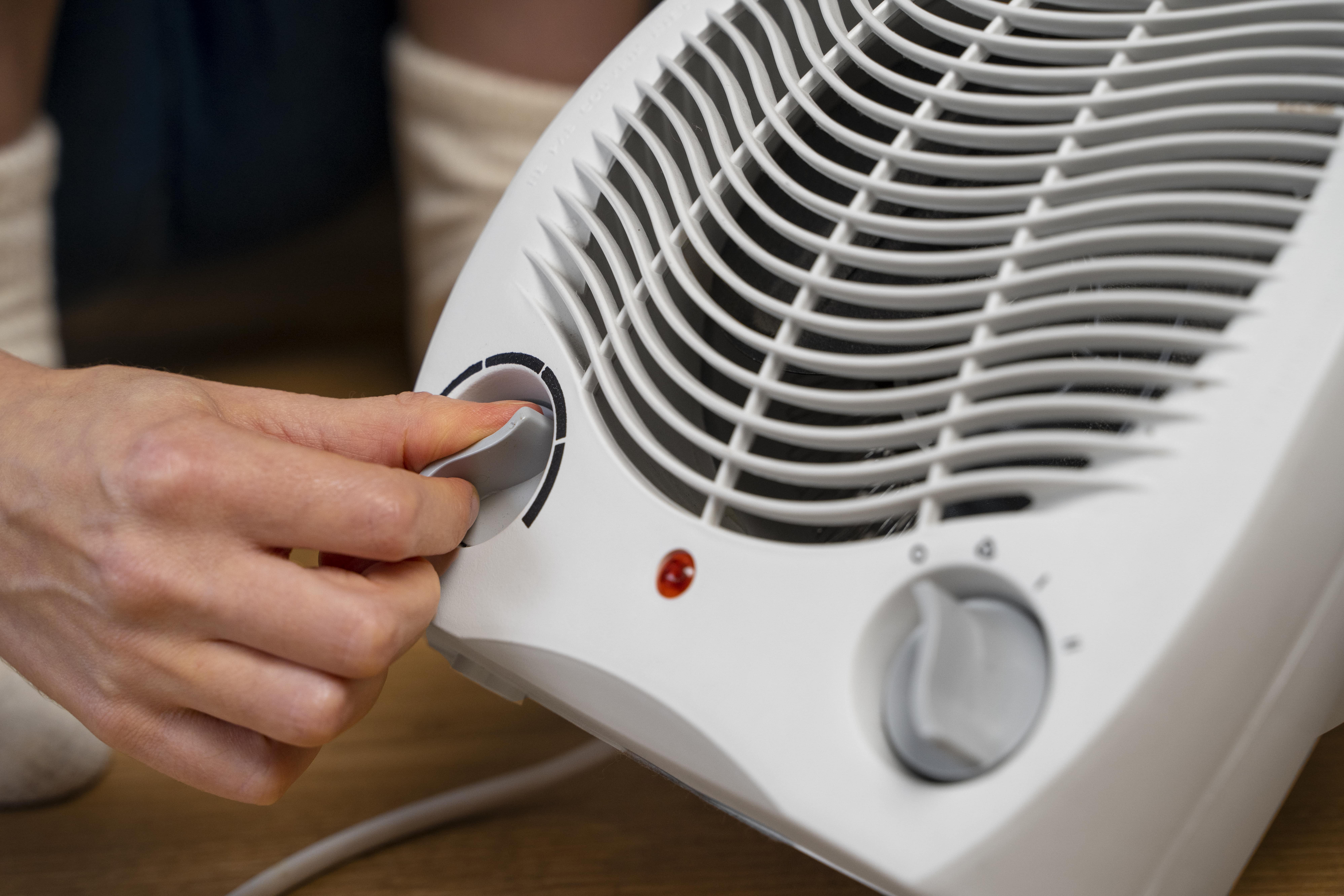
Heating Maintenance in Rancho Palos Verdes, CA
Keeping your heating system running reliably and efficiently is essential in Rancho Palos Verdes, where coastal weather, marine air, and occasional cool evenings make dependable home comfort a priority. Regular heating maintenance prevents unexpected breakdowns during colder spells, reduces energy bills, and extends the life of your equipment. This page explains what professional maintenance plans typically include, common local issues, the inspection and service process, membership options, and the measurable benefits of ongoing care.
Why heating maintenance matters in Rancho Palos Verdes, CA
Rancho Palos Verdes homes face unique factors that affect HVAC systems:
- Coastal salt air accelerates corrosion on outdoor units, burners, heat exchanger surfaces, and electrical connections.
- Mild but variable temperatures mean systems cycle on and off frequently, increasing wear on components.
- Marine layer humidity can lead to condensation-related problems in heat pumps and ducts.Regular maintenance addresses these regional stresses so your system stays efficient and safe through seasonal shifts.
Common heating problems seen locally
Homeowners in Rancho Palos Verdes commonly report:
- Reduced heating output due to clogged filters, restricted airflow, or failing ignitors.
- Rust or corrosion on outdoor units and exposed components from salt exposure.
- Short cycling caused by thermostat issues, dirty flame sensors, or improper airflow.
- Higher than expected energy bills from dirty coils, miscalibrated thermostats, or leaking ducts.
- Safety concerns such as cracked heat exchangers or blocked vents that can lead to carbon monoxide risk.
What a professional heating maintenance program includes
Maintenance programs are designed to catch issues early and optimize performance. Typical inspections and tasks include:
- Visual inspection of furnace or heat pump components for corrosion, leaks, and wear
- Safety checks: combustion analysis, carbon monoxide testing, venting and flue integrity
- Clean and inspect burners, heat exchangers, and ignition systems
- Check and replace air filters and advise on optimal filter type and replacement interval
- Inspect, clean, and test blower assembly, belts, bearings, and motor lubrication points
- Inspect and tighten electrical connections; test capacitors and relays
- Test thermostat calibration, controls, and cycle operation
- Measure system pressures and temperatures to confirm efficient operation
- Inspect ductwork for airflow restrictions, leaks, and insulation issues
- For heat pumps: check refrigerant charge, defrost cycle, reversing valve, and outdoor coil condition
- Outdoor unit corrosion protection recommendations and minor corrosion treatment when needed
- Written service report with findings, efficiency recommendations, and prioritized repair items
Recommended scheduling frequency
- Gas furnaces and packaged systems: annual tune-up before the heating season.
- Heat pumps and HVAC systems used year-round: biannual inspections (fall and spring) to cover both heating and cooling seasons.
- Homes near the coast or properties with older equipment: consider increasing frequency to twice per year to address accelerated corrosion and wear.
Typical maintenance process (what to expect)
- Pre-inspection review of previous service history and equipment age.
- System shutdown and safety lockout procedures.
- Detailed visual inspection and cleaning of key components.
- Functional testing of ignition, burners, blower, thermostat, and controls.
- Measurements and diagnostics (temperature split, pressures, combustion efficiency).
- Minor adjustments and lubrication, plus filter replacement if included in the plan.
- Documentation of findings, recommended repairs, and energy-saving tips.
This systematic approach reduces the chance of missed issues and creates a clear maintenance record that helps preserve equipment warranties.
Membership tiers and what they typically cover
Maintenance plans are usually structured into tiers to match different needs and budgets. Examples of common plan levels (no pricing included):
- Essential Plan
- Annual inspection and tune-up
- Filter replacement during visit
- Basic safety checks and system performance report
- Comprehensive Plan
- Biannual inspections (fall and spring)
- Priority service scheduling
- Discount on repair parts and labor
- Diagnostic fee waiver for covered visits
- Seasonal filter replacements
- Elite or Premium Plan
- All Comprehensive benefits plus enhanced services
- Additional priority levels (faster emergency response)
- Inclusive minor parts (thermostat batteries, basic belts)
- Annual duct inspection and airflow optimization
- Corrosion protection inspection for outdoor equipment
Membership benefits commonly include priority scheduling during peak seasons, discounts on repairs and replacement parts, and waived diagnostic fees for covered maintenance visits. These benefits reduce total lifecycle costs and minimize downtime.
How maintenance extends equipment life and preserves efficiency
- Preventive cleaning and calibration reduce strain on motors and ignition systems, lowering failure rates.
- Proper refrigerant charge and clean coils keep heat pumps operating at rated efficiency, reducing compressor wear.
- Timely replacement of filters and belts prevents debris buildup that causes overheating and motor stress.
- Early detection of corrosion or small refrigerant leaks allows targeted repairs before major component failure.
- Consistent maintenance helps retain manufacturer warranty coverage requirements and maintains resale value.
Regular service can add years of reliable life to equipment and produce measurable energy savings by ensuring systems operate near their design specifications.
Safety and code compliance
Professional maintenance includes safety inspections that protect your household: carbon monoxide testing, venting and flue checks, and combustion efficiency verification. Technicians also ensure installations meet local codes relevant to Rancho Palos Verdes and Los Angeles County, reducing liability and safety risks.
Practical tips for Rancho Palos Verdes homeowners
- Schedule your main heating tune-up in early fall, before temperatures drop.
- If your outdoor unit shows surface rust, request a corrosion-focused inspection and protective treatment options.
- Use high-quality pleated filters and change them per the maintenance plan to reduce salt and particulate buildup.
- Consider a biannual plan for older systems or homes within a few miles of the ocean.
- Keep outdoor equipment clear of landscaping and salt spray as much as possible to limit corrosion exposure.
Final note on value
Heating maintenance is an investment in comfort, safety, and long-term cost control for Rancho Palos Verdes homes. A well-structured maintenance plan reduces emergency repairs, improves system reliability, and helps keep energy use—and utility bills—lower. Regular inspections tailored to coastal conditions protect your equipment from common regional threats and preserve performance year after year.
Customer
Testimonials
Our customers consistently praise the exceptional service and professionalism of our team. They appreciate the honest advice, meticulous work, and the care taken to ensure their satisfaction.

.webp)
Service Areas
