

Heating Repair in Rancho Palos Verdes, CA

Heating repair in Rancho Palos Verdes, CA delivers prompt, professional solutions to keep homes safe, comfortable, and efficient—especially in challenging coastal conditions. Skilled technicians perform thorough diagnostics to identify issues early, using detailed inspections, safety checks, and carbon monoxide testing to ensure reliability. The service covers common heating problems, recognizable symptoms, and standard repair workflows, along with information on the brands and parts most often serviced. Homeowners also receive guidance on how system age, accessibility, and salt-air corrosion affect repair decisions, plus expert advice on when a replacement may offer better long-term value and comfort.
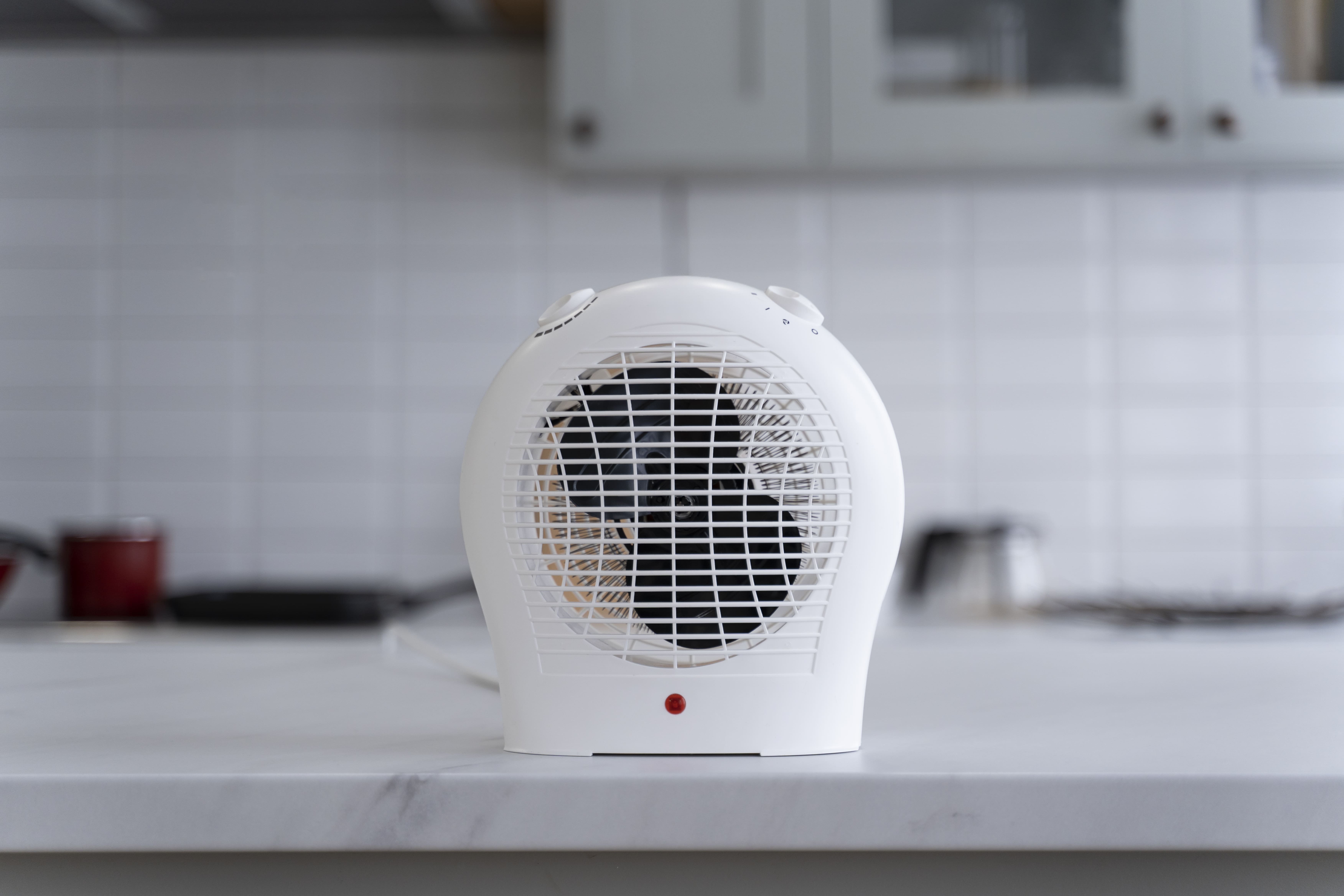
Heating Repair in Rancho Palos Verdes, CA
When cold nights or a failing heater disrupt comfort in your Rancho Palos Verdes home, reliable heating repair matters. Although coastal Southern California has mild winters, marine layer evenings and cooler hillside microclimates make dependable heating important for bedrooms, older homes, and properties with limited insulation. This page explains typical heating repair offerings, common failure modes and symptoms, diagnostic steps, emergency response and repair workflows, brands and parts we service, factors that affect repair scope, and clear guidance on when repair versus replacement is the right decision.
Why timely heating repair matters in Rancho Palos Verdes
Even with lower annual heating hours than inland locations, delayed repairs can worsen problems and raise safety risks. Salt air and coastal humidity accelerate corrosion on outdoor heat pump coils, flues, and metal components. Tight, older homes on the Peninsula may also reveal duct leaks or venting problems that reduce system performance. Prompt diagnostics restore comfort, improve efficiency, and address safety items like carbon monoxide risk in gas systems.
Common heating problems and symptoms
- Furnace won’t start or intermittently cycles: could indicate failed ignition, faulty thermostat, or electrical issues.
- Weak or cool airflow from vents: often caused by a failing blower motor, clogged filter, or blocked ductwork.
- Short cycling (system turns on and off frequently): usually caused by improper sizing, thermostat problems, or overheating limit switches.
- Strange noises (rattling, banging, squealing): motor bearings, loose panels, or failing fans can be the source.
- Odors on startup or continuous gas smell: burner or gas valve issues, or dangerous leaks—these require immediate attention.
- Heat pump not producing heat or reversing poorly: common in coastal homes where corrosion or refrigerant loss reduces capacity.
- High energy bills despite adequate use: reduced efficiency from dirty coils, failing components, or aging equipment.
Diagnostic procedures: what a professional check includes
Heating diagnostics in Rancho Palos Verdes focuses on safety, performance, and local environmental factors:
- Visual inspection of heat exchanger, burners, flue, and venting for corrosion, cracks, or blockage.
- Electrical system tests: checks on capacitors, relays, control boards, fuses, and thermostat wire continuity.
- Combustion and CO testing for gas-fired systems to verify safe operation and proper venting.
- Refrigerant level and leak testing on heat pumps, plus coil condition evaluation for salt-air corrosion.
- Airflow measurement: static pressure checks, blower motor diagnostics, and filter/damper inspection.
- System performance verification: thermostat calibration, cycle testing, and temperature rise measurements.
Diagnostics typically produce a clear repair plan that identifies required parts, estimated labor scope, and safety items that must be addressed immediately.
Emergency response and rapid repairs
For situations presenting safety or complete loss of heat, emergency heating repair in Rancho Palos Verdes prioritizes:
- Safety triage: immediate checks for gas leaks, carbon monoxide presence, and active electrical hazards.
- Temporary measures to secure the property, such as turning off gas or isolating electrical components, and restoring minimal heat when safe.
- Fast access to common replacement parts like ignition modules, thermostats, blower motors, and limit switches to reduce downtime.
- Clear communication about risks and next steps so homeowners understand whether a temporary fix is safe until full repair is completed.
Emergency response also considers access challenges common in the area, such as narrow driveways, hillside properties, and limited workspace for larger equipment.
Typical repair workflow
- On-site assessment and diagnostic testing with documented findings.
- Transparent recommendation of repairs, parts needed, and expected timeline for completion.
- Priority or emergency items addressed first (safety or major failures), followed by component repairs or replacements.
- System verification: post-repair testing of airflow, temperature rise, combustion, and thermostat operation.
- Finished work walk-through explaining what was replaced, maintenance tips, and any warranty information on parts.
Technicians aim to minimize disruption while ensuring long-term reliability.
Parts and brands commonly serviced
Rancho Palos Verdes homes contain a mix of furnaces and heat pumps from major manufacturers. Technicians typically service:
- Brands: Carrier, Trane, Lennox, Goodman, Rheem, Bryant, American Standard, York, Mitsubishi (for ductless heat pumps), and Bosch.
- Parts: ignition/control modules, gas valves, burners, heat exchangers, blower motors and assemblies, capacitors, relays, thermostats and smart controls, limit switches, condensate drains and pumps, reversing valves, compressors, and refrigerant line components.
Because coastal conditions increase corrosion risk, emphasis is placed on inspecting outdoor units, protective coatings, and fasteners during routine checks.
What influences repair scope and what to expect from a service visit
Repair scope depends on system type, age, accessibility, and local conditions:
- Age and maintenance history: older systems often have wear that increases the chance of multiple component failures.
- Corrosion and salt air exposure: outdoor components and flues can deteriorate faster near the coast.
- Accessibility: installations in tight attics or on steep roofs may require more time and specialized safety measures.
- Safety-related issues: cracked heat exchangers, persistent CO problems, or major gas leaks demand immediate mitigation and may limit repair options.
A professional service visit should leave you with a clear description of the issue, the recommended fix, expected time to completion, and the reliability outlook after repair.
Repair versus replacement: practical guidance for Rancho Palos Verdes homeowners
Deciding to repair or replace requires weighing safety, efficiency, and remaining useful life:
- Repair is appropriate when the issue is isolated, the equipment is relatively young (typically under about 10 years for heat pumps, 15 years for high-quality furnaces), and the system is otherwise efficient and safe.
- Replacement should be considered when repairs are frequent, the cost of a single repair approaches a significant portion of replacement cost, the heat exchanger is cracked, or the system uses obsolete refrigerant or parts that are no longer available.
- Energy efficiency and comfort goals matter: newer high-efficiency heat pumps and furnaces can provide better humidity control, quieter operation, and lower operating costs—relevant even in mild coastal climates where year-round comfort and indoor air quality are priorities.
- Local factors such as energy codes, incentives, and goals for reduced energy use in California can also influence the decision to upgrade to newer, more efficient equipment.
Maintenance and preventative tips
- Schedule annual heating system inspections and tune-ups, ideally before the cooler months.
- Replace filters regularly and check condensate drains on heat pumps.
- Protect outdoor equipment from salt spray when possible and clear debris around condenser units.
- Install or test carbon monoxide detectors near sleeping areas for gas systems.
- Consider a programmable or smart thermostat to improve comfort and reduce unnecessary runtime.
A proactive approach reduces emergency repairs and extends equipment life in Rancho Palos Verdes conditions.
Final note on reliability and safety
Heating repair in Rancho Palos Verdes, CA should center on restoring comfort safely and efficiently while accounting for coastal corrosion, home access, and local climate patterns. Proper diagnostics, timely interventions, and informed choices between repair and replacement protect your home and ensure consistent comfort through cooler evenings and winter season microclimates.
Customer
Testimonials
Our customers consistently praise the exceptional service and professionalism of our team. They appreciate the honest advice, meticulous work, and the care taken to ensure their satisfaction.

.webp)
Service Areas
