

Heating Tune-up in Rancho Palos Verdes, CA

Seasonal heating tune-ups in Rancho Palos Verdes, CA provide proactive protection for home safety, comfort, and energy efficiency while addressing unique coastal challenges. Professional technicians perform detailed inspections, cleanings, and diagnostics to identify issues like salt air corrosion, smoke particulates, duct leaks, and carbon monoxide risks. A comprehensive tune-up typically includes system inspection, filter replacement, burner cleaning, airflow testing, and safety verification. Homeowners also receive guidance on ideal scheduling for coastal conditions and recommended follow-up actions to ensure consistent, reliable heating performance throughout the year.
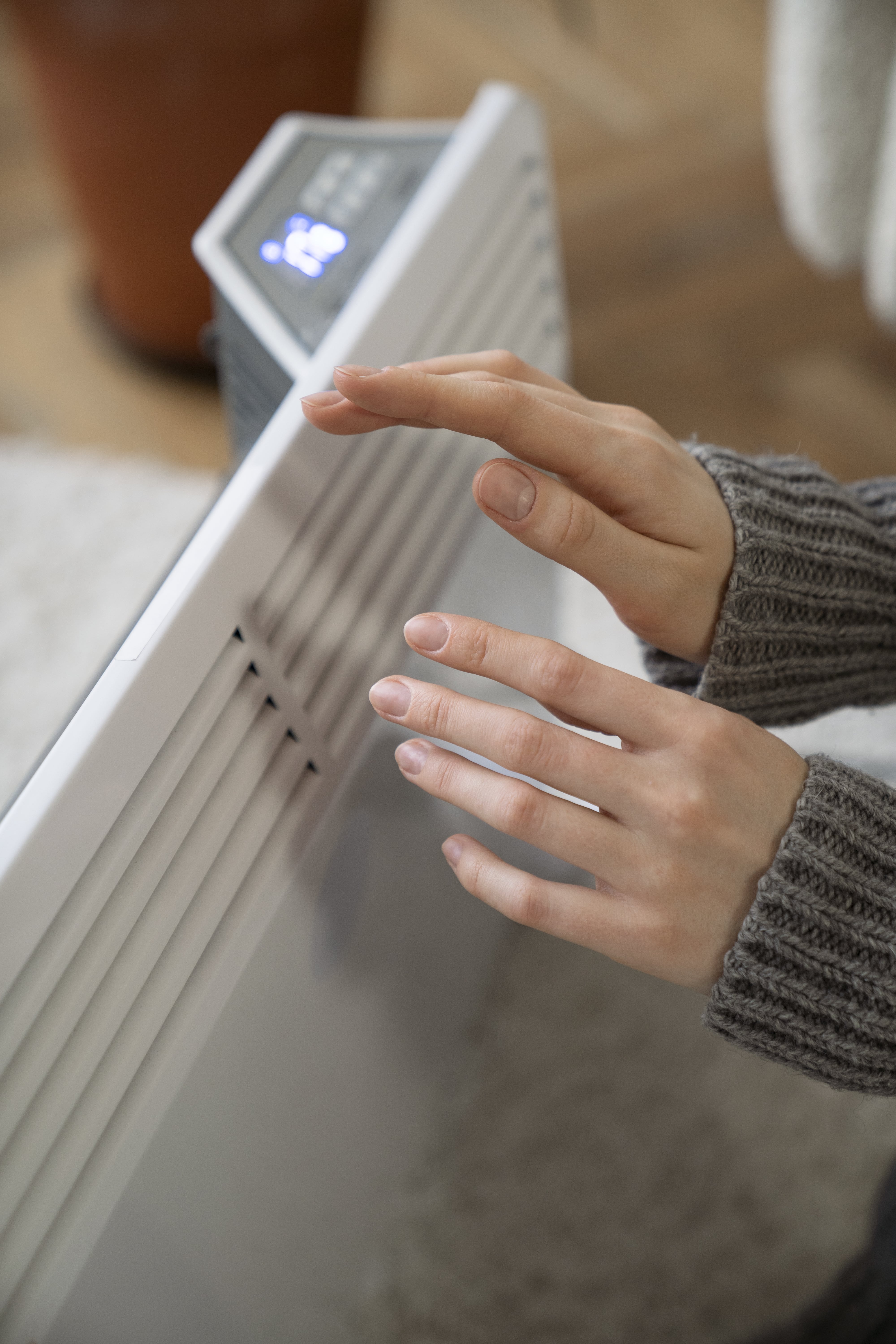
Heating Tune-up in Rancho Palos Verdes, CA
A seasonal heating tune-up in Rancho Palos Verdes, CA keeps your home comfortable, safe, and efficient when temperatures dip and marine layer nights make indoor warmth desirable. Even though the Palos Verdes Peninsula generally enjoys mild winters, homeowners here face unique challenges like salt air corrosion, dust from coastal winds, and occasional wildfire smoke that make regular heating inspections essential. A professional tune-up reduces breakdown risk, improves efficiency, and helps protect indoor air quality and household safety.
Why a heating tune-up matters in Rancho Palos Verdes
- Coastal salt and humidity increase the risk of corrosion on outdoor and attic components, which can shorten equipment life if not inspected and cleaned.
- Occasional wildfire smoke and elevated particulate matter make filters and ducts critical for maintaining healthy indoor air.
- Mild but variable winters mean systems are used intermittently; components can degrade unnoticed between seasons and fail when you finally need them.
- Safety concerns such as cracked heat exchangers or improper venting can allow carbon monoxide to enter living spaces. A tune-up includes safety and CO checks that reduce this risk.
Common heating issues in Rancho Palos Verdes homes
- Corroded outdoor components, vents, or metal flues from salt air exposure
- Clogged or overloaded air filters due to seasonal dust, coastal sand, or smoke particulates
- Decreased efficiency from dirty burners, coils, or restricted airflow
- Intermittent failures after long idle periods: ignition problems, pilot outages, or motor stalls
- Carbon monoxide risk from cracked heat exchangers or blocked exhausts in older furnaces
- Uneven heating from duct leaks, loose insulation, or poorly calibrated thermostats
- Electrical wear: loose connections, failing capacitors, or aging motors stressed by on-off cycles
What a full seasonal heating tune-up includes
Inspection checklist
- Visual inspection of furnace or heat pump, venting, flue, and combustion chamber
- Check of outdoor unit (for heat pumps) and protection against salt or debris buildup
- Verification of thermostat operation and calibration
- Inspection of air filters and recommendations for replacements or upgrades
- Ductwork visual check for obvious leaks, disconnected joints, or insulation gaps
- Safety control and limit switch checks
- Carbon monoxide testing at the furnace and representative living spaces
- Flame pattern and combustion analysis for gas units
Cleaning and component care
- Replace or clean air filters and recommend appropriate MERV rating for local air quality
- Clean burners, pilot assembly, and ignition components
- Vacuum and wipe blower assembly, fan blades, and cabinet to remove dust and debris
- Clean evaporator and/or heat exchanger surfaces for improved heat transfer
- Clear condensate drains and pans on high-efficiency or heat pump systems
Performance adjustments and diagnostics
- Test electrical connections, tighten where necessary, and inspect capacitors and relays
- Measure system airflow and static pressure to identify restrictions
- Check motor bearings and lubricate motors and moving parts where applicable
- Verify gas pressure and burner combustion efficiency for gas furnaces
- Measure temperature rise across the heat exchanger or heat pump stages
- Run system through full cycle to observe start-up behavior and noise or vibration issues
Safety and carbon-monoxide checks
- Carbon monoxide meter reading at the unit and inside living areas
- Visual inspection and testing of flue and vent termination points for blockages or corrosion
- Verification of proper combustion air supply and sealed combustion where applicable
- Confirmation of functioning safety shutoffs and limit switches
Recommended follow-up actions (commonly found after a tune-up)
- Replace worn belts, bearings, or capacitors showing signs of failure
- Repair or replace corroded venting, flue sections, or outdoor component housings
- Address cracked or compromised heat exchangers immediately to eliminate CO risk
- Seal and insulate leaky ductwork to improve comfort and reduce energy waste
- Upgrade filters to higher MERV ratings during wildfire season or when indoor air quality is a concern
- Calibrate or replace aging thermostats; consider a programmable or smart thermostat for better efficiency in mild coastal climates
- Schedule dryer service for older systems with high run hours or irregular performance
How diagnostics translate into fixes you can trust
A professional tune-up uses measurement and observation, not guesswork. For gas furnaces, combustion analysis and CO testing reveal whether burners are operating cleanly or producing dangerous byproducts. For heat pumps, airflow and refrigerant checks find leaks or restrictions that reduce heating capacity. Electrical testing pinpoints failing capacitors or worn motors before they cause a mid-season outage. Documented findings let you prioritize necessary repairs by safety risk and efficiency payoff, so you can make informed decisions about preventive repairs vs replacement.
Benefits of annual heating tune-ups for Rancho Palos Verdes homes
- Increased reliability: tune-ups catch wear and prevent breakdowns during unexpected cold nights
- Improved energy efficiency: clean burners, coils, and optimized controls lower operating costs even in mild climates
- Enhanced safety: carbon monoxide and combustion checks protect your household from hidden hazards
- Longer equipment life: regular maintenance slows corrosion and wear from coastal conditions
- Better indoor air quality: timely filter changes and duct maintenance reduce dust and smoke particles
- Predictable budgeting: diagnostics identify repairs early, avoiding emergency replacement costs
Seasonal timing and maintenance tips
- Schedule your tune-up in early fall before temperatures fall and before you run the system frequently. For Rancho Palos Verdes, tune-ups also make sense after wildfire events to remove soot and particulates.
- Use higher-efficiency filters when outdoor smoke or spring pollen is present; check filters monthly during those periods.
- Inspect exterior units and vents for salt buildup after strong onshore winds; gentle cleaning can prevent corrosion.
- Keep vent terminations and outdoor units clear of landscaping, leaves, and debris common in coastal gardens.
Regular, professional heating tune-ups help Rancho Palos Verdes homeowners maintain safe, efficient heating systems adapted to coastal conditions and occasional air quality events. A detailed inspection, targeted cleaning, and precise diagnostics provide peace of mind, lower operating costs, and a clearer path for any required repairs or upgrades.
Customer
Testimonials
Our customers consistently praise the exceptional service and professionalism of our team. They appreciate the honest advice, meticulous work, and the care taken to ensure their satisfaction.

.webp)
Service Areas
