

Heating Replacement in Rancho Palos Verdes, CA

This service page guides homeowners in Rancho Palos Verdes, CA through heating replacement decisions, from evaluating when a replacement is warranted to selecting high-efficiency options such as gas furnaces, air-source heat pumps, ductless systems, and hybrids. It outlines the removal and installation process, expected timelines, potential energy savings, and available rebates and financing. Practical tips cover coastal durability, maintenance, and documentation for permits, helping homeowners plan a cost-effective upgrade that improves comfort, reliability, and long-term home value.
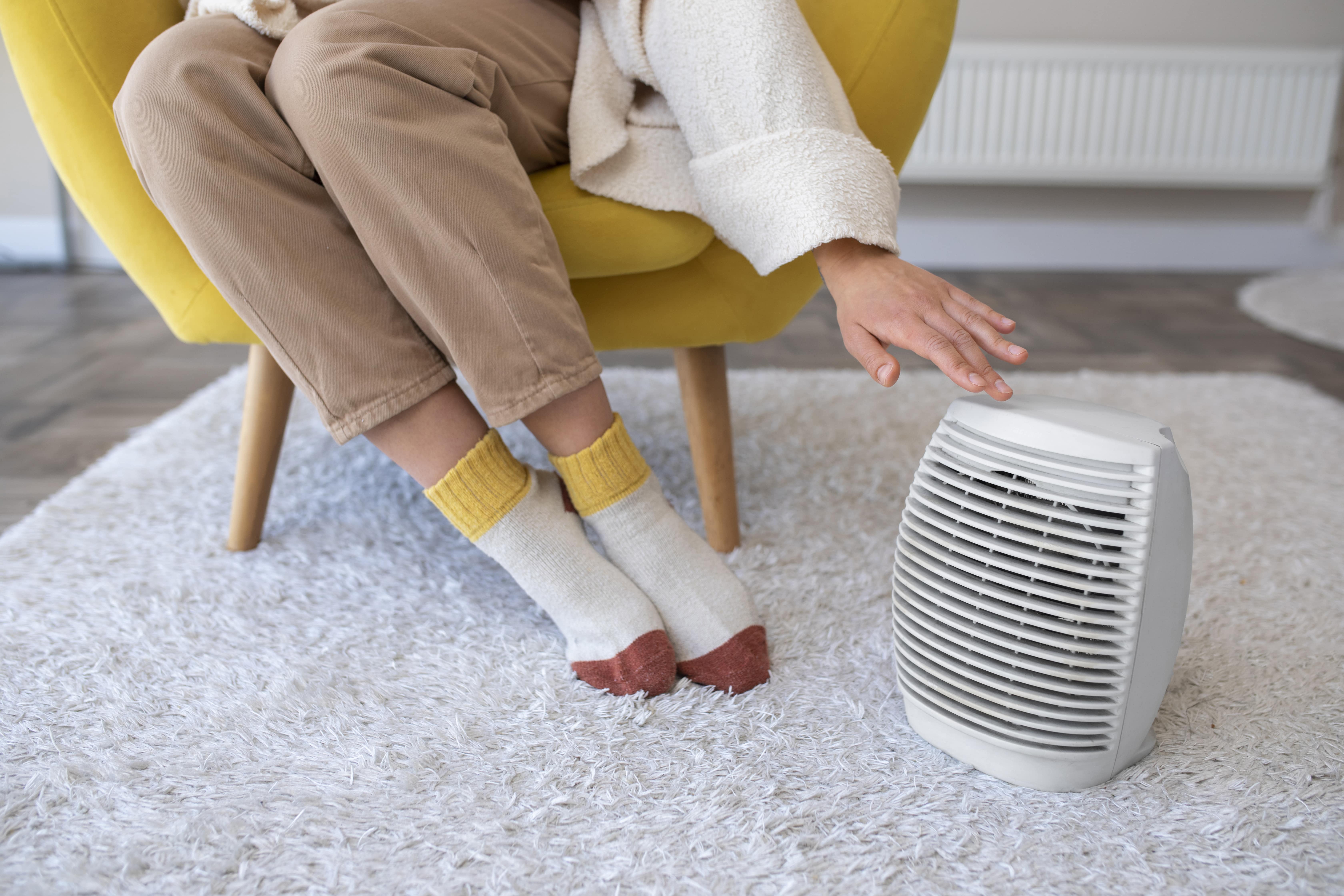
Heating Replacement in Rancho Palos Verdes, CA
Upgrading your home heating system is a decision that affects comfort, long-term energy costs, and property value. In Rancho Palos Verdes, CA, where winters are mild but coastal marine air and energy regulations influence equipment longevity and performance, choosing the right replacement matters. This page explains when replacement is warranted, compares high-efficiency options suited to local conditions, outlines the removal and installation process, and sets expectations for timeline, energy savings, rebates, and financing—so you can make an informed decision for your home.
Why consider heating replacement now
Even though the Palos Verdes Peninsula rarely sees extreme cold, an aging or inefficient system can create uneven comfort, higher bills, and reliability concerns. Common homeowner pain points that point to replacement include:
- Frequent breakdowns or rising repair costs: Repeated service calls often signal diminishing returns versus replacement.
- System age: Most furnaces and heat pumps decline in efficiency and reliability after 12 to 18 years.
- Poor comfort or hot/cold spots: Undersized equipment or failing components can no longer meet load requirements.
- Rising energy bills: Older systems use more energy for the same comfort level.
- Safety or environmental concerns: Rust, cracked heat exchangers, or outdated combustion equipment raise health or code issues.
- Desire to electrify: Many Rancho Palos Verdes homeowners choose to move away from gas toward high-efficiency electric heat pumps for lower emissions and future-proofing.
Common heating replacement signs in Rancho Palos Verdes homes
- Short cycling or frequent on/off operation
- Persistent odors, rust, or corrosion on outdoor units (salt air accelerates corrosion)
- Uneven temperatures between rooms, especially in multi-level homes
- Loud or unusual noises during startup or operation
- Difficulty maintaining set thermostat temperature on colder coastal nights
- Increased repair frequency or parts becoming obsolete
High-efficiency replacement options: what fits your home
Choosing the right system depends on your home layout, existing ductwork, fuel preference, and long-term goals. Typical replacements include:
- High-efficiency gas furnaces (condensing furnaces)
Pros: Familiar technology, strong heating output for ducted systems.
Considerations: Ongoing gas service and potential move toward electrification in California. - Air-source heat pumps (cold-climate and standard)
Pros: Heat pumps provide both heating and cooling with high efficiency; ideal in Rancho Palos Verdes’ mild climate. Modern units perform well even on cooler nights and can substantially reduce energy use.
Considerations: Outdoor unit placement must consider salt air; choose models with coastal-grade protections. - Ductless mini-split heat pumps
Pros: Excellent for room additions, homes without ducts, or targeted comfort zones. Higher efficiency and flexible zoning.
Considerations: Multiple indoor heads increase upfront costs but improve zoned comfort. - Hybrid systems (dual fuel)
Pros: Combine a heat pump with a gas furnace to balance efficiency and peak performance. Good for homeowners not ready to fully electrify. - Smart controls and variable-speed equipment
Pros: Improved comfort, better humidity control, and optimized energy use. Smart thermostats and variable-speed blowers reduce short cycling and increase efficiency.
Removal of old equipment and installation process
A professional, code-compliant replacement follows these main steps:
- Home assessment and load calculation
Technicians perform a Manual J load calculation to size equipment correctly based on insulation, windows, orientation, and local climate—critical for comfort and efficiency. - System selection and planning
Choose equipment type, capacity, and any ductwork modifications. For coastal homes, specify corrosion-resistant coatings and appropriate clearances. - Permits and scheduling
Permits are typically required in Los Angeles County; planned inspections ensure code compliance and safe operation. - Safe removal and disposal
Technicians disconnect fuel and electrical services, recover refrigerant per regulations when applicable, and remove old units for responsible disposal or recycling. - Ductwork inspection and upgrades
Leaky or undersized ducts reduce the benefits of a new system. Sealing, insulating, or adjusting ductwork is often part of a complete replacement. - Installation and startup
Install indoor and outdoor components, charge refrigerant (for heat pumps), connect combustion venting (for furnaces), and perform startup procedures. - Performance testing and homeowner orientation
Technicians verify airflow, temperature rise, safety controls, and system efficiency, then explain operation and maintenance basics.
Timeline and what to expect
Most straightforward like-for-like replacements are completed within one to three days. Conversions (for example, switching from a gas furnace to a heat pump, or adding ductwork) can take several days to a week depending on scope, permitting, and any custom work. Plan for an initial assessment, permit processing, and an installation window—seasonal demand can extend scheduling times.
Anticipated energy savings
Energy savings depend on what you replace and the efficiency of the new equipment:
- Replacing an old furnace with a modern high-efficiency furnace or a heat pump can reduce heating energy use significantly.
- Converting to a properly sized heat pump often yields the largest reductions in home heating energy use in Rancho Palos Verdes’ mild climate, with additional savings from integrated smart controls and duct sealing.
- Realized savings vary by home—factors include insulation, thermostat habits, and system sizing.
Expected costs and cost drivers
While exact pricing depends on system type and home specifics, replacement costs are driven by:
- System type (furnace, heat pump, ductless)
- Equipment capacity and efficiency rating
- Required ductwork repairs or replacement
- Electrical upgrades or gas line work
- Coastal-grade protection and materials for salt-air exposure
- Permit and inspection feesA like-for-like swap is typically less complex than a full conversion to heat pump technology. Consider lifecycle costs—higher-efficiency systems often have higher upfront investment but lower operating costs over time.
Rebates, incentives, and financing options in Rancho Palos Verdes
Homeowners in Rancho Palos Verdes can often access a combination of incentives:
- Federal and state incentives: California and federal programs support energy-efficient replacements and electrification projects. Tax credits and statewide rebates may be available for qualifying heat pumps and efficiency upgrades.
- Local utility rebates: Southern California utilities (electric and gas providers) run rebate programs for high-efficiency equipment, heat pump installations, and energy-efficiency measures.
- Financing options: Home energy loans, on-bill financing programs, and PACE-style options can spread investment over time and make higher-efficiency systems more accessible.
Eligibility varies and programs change over time; a local assessment will identify current incentives that apply to your specific replacement.
Longer-term benefits and maintenance
Replacing your heating system improves comfort, reliability, and indoor air quality while positioning your home for lower long-term energy costs and potential compliance with future energy regulations in California. To preserve performance and savings:
- Schedule annual tune-ups and filter changes
- Keep outdoor units clear of debris and corrosion
- Seal and insulate ductwork and attic penetrations
- Use programmable or smart thermostats to reduce runtime during unoccupied periods
A properly planned heating replacement in Rancho Palos Verdes balances coastal durability, efficiency, and comfort—helping your home stay comfortable through cool coastal nights while lowering energy use and supporting long-term value.
Customer
Testimonials
Our customers consistently praise the exceptional service and professionalism of our team. They appreciate the honest advice, meticulous work, and the care taken to ensure their satisfaction.

.webp)
Service Areas
