

Air conditioning tune-ups in Lynwood, CA offer seasonal maintenance to enhance efficiency, prevent breakdowns, and extend system life in hot summers and dusty urban conditions. Services include thorough inspections, cleaning, diagnostics, and performance testing, addressing common issues like dirty filters, clogged coils, refrigerant leaks, and electrical faults. Recommended maintenance plans outline timing and scope tailored to Lynwood’s climate and homeowner needs. Regular tune-ups help maintain comfort, reduce energy costs, and provide proactive care for reliable system performance.

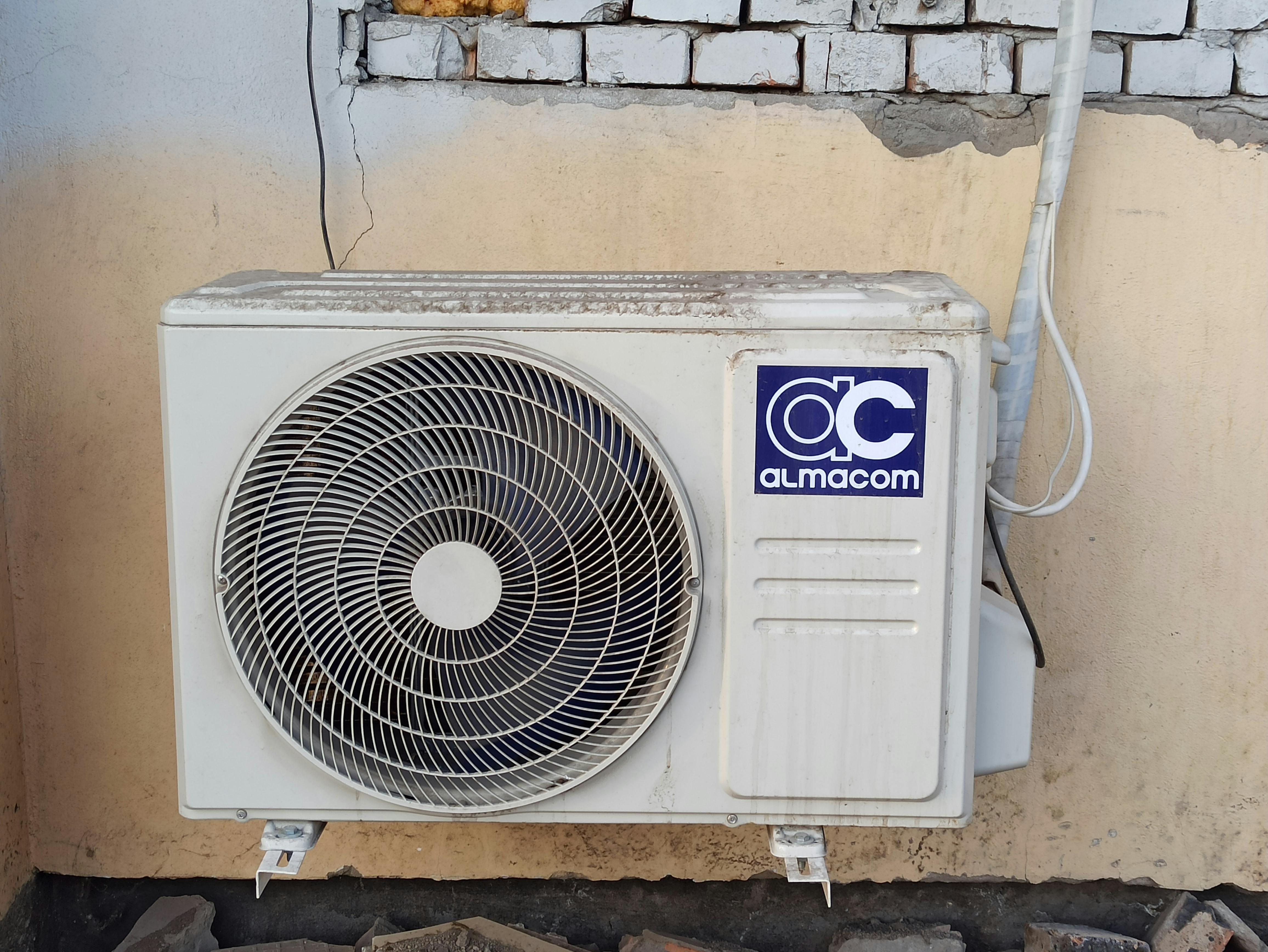
Air Conditioning Tune-up in Lynwood, CA
A seasonal air conditioning tune-up keeps your system running efficiently, reduces breakdown risk during Lynwood’s hottest months, and prolongs equipment life. In a community where prolonged summer heat, persistent smog, and dust from urban activity increase AC runtime and strain, a professional tune-up addresses the problems that most often cause higher bills, uneven cooling, and unexpected failures. This page explains what a thorough tune-up covers, common issues seen in Lynwood homes, the diagnostic and service process, typical repairs discovered during maintenance, and how maintenance plans are usually structured.
Why a tune-up matters in Lynwood
- Lynwood experiences extended cooling demand through late spring and summer, so systems often operate at peak loads for months.
- Urban dust, vehicle exhaust, and particulate pollution clog filters and coat coils faster than in rural areas, reducing airflow and heat transfer.
- Regular tune-ups restore efficiency, lower energy use, and reduce the chance of mid-season replacements or emergency service.
Common air conditioning tune-up issues in Lynwood homes
- Clogged or dirty air filters restricting airflow and lowering indoor air quality.
- Dirty evaporator and condenser coils that reduce cooling capacity and raise compressor workload.
- Low refrigerant levels from small leaks leading to longer run-times and compressor stress.
- Loose or corroded electrical connections causing intermittent operation, tripped breakers, or safety risks.
- Blocked or slow condensate drains causing water backups and potential water damage.
- Miscalibrated thermostats or incorrect temperature differentials causing short-cycling or uneven cooling.
- Worn capacitors, contactors, or blower motors showing symptoms of reduced starting power and efficiency.
Inspection checklist (what a full tune-up covers)
A professional seasonal tune-up should include a systematic inspection and documented report of these items:
- Replace or clean air filters and evaluate filter type for local air quality needs.
- Clean and inspect evaporator and condenser coils; remove debris from outdoor unit.
- Check refrigerant charge and perform leak detection if pressures are out of range.
- Inspect and tighten electrical connections, test capacitors, contactors, and relays.
- Test thermostat accuracy and recalibrate or recommend replacement if needed.
- Measure airflow and blower performance; clean blower assembly if required.
- Flush or clear condensate drain and inspect drain pan and pump (if present).
- Verify proper compressor operation and measure operating temperatures and pressures.
- Measure temperature split (supply vs. return) and overall system efficiency.
- Inspect ductwork for obvious leaks, disconnected joints, or blockage signs.
Cleaning procedures and service details
- Filter service: Replace disposable filters or clean reusable types; recommend higher-MERV options only when compatible with blower capacity.
- Coil cleaning: Use coil-safe cleaners and rinsing techniques to remove grime without damaging fins; straighten minor fin bends for optimal airflow.
- Outdoor unit care: Remove leaves and debris, clear 2–3 feet around the condenser, and inspect for corrosion or physical damage that can impact performance.
- Electrical and mechanical cleaning: Remove dust from controls and fan assemblies; verify fan blade balance and motor bearings.
- Condensate system: Mechanical or chemical clearing of slow drains, inspection of the P-trap, and verification of condensate pump operation when applicable.
Diagnostics and performance testing
A tune-up isn't just visual cleaning. Technicians perform targeted tests to quantify system health:
- Refrigerant pressure check with temperature and pressure charts to confirm proper charge.
- Electrical load testing to identify failing capacitors, overheating contactors, or imbalance in circuits.
- Airflow measurement and static pressure checks to find duct or blower restrictions.
- Temperature differential test across evaporator coils to ensure proper heat exchange.
- Leak detection methods (electronic sniffer, dye, or ultraviolet tracer) for systems with low charge.These tests define whether a simple tune-up will restore full performance or if targeted repairs are necessary.
Common repairs discovered during tune-ups
If diagnostics reveal issues, typical repairs identified during a tune-up include:
- Refrigerant leak repair and recharge (note: leak repair is prioritized before recharge).
- Capacitor or contactor replacement to restore reliable starting and run performance.
- Blower motor service or replacement if bearings are failing or output is reduced.
- Condensate pump replacement or drain re-routing to prevent recurring backups.
- Refrigerant line insulation replacement and sealing to improve efficiency.
- Minor duct sealing or filter housing repairs to improve airflow and system longevity.All repairs discovered during tune-ups are evaluated for safety and long-term value before work proceeds.
Recommended frequency for Lynwood homes
- At minimum: annual tune-up for modern, lightly used systems—ideally in spring before peak cooling season.
- For high-use systems, older equipment (10+ years), homes with advanced air filtration needs, or areas with heavy dust/smog: consider twice-yearly service (spring and early fall).Regular seasonal service is especially important in Lynwood because extended summer runtimes accelerate component wear and amplify the impact of dirty air and polluted outdoor conditions.
Benefits of routine tune-ups
- Improved efficiency: Clean coils, correct refrigerant charge, and proper airflow reduce energy consumption and lower cooling costs.
- Increased reliability: Early detection of failing parts prevents mid-season breakdowns when temperatures are highest.
- Extended equipment life: Reducing stress on compressors and motors delays costly replacements.
- Better indoor comfort and air quality: Proper airflow and clean filters mean more consistent cooling and fewer allergens circulating indoors.
- Safety: Tightened electrical connections and verified controls reduce the risk of electrical failures or fire hazards.
Typical maintenance plan structure
Maintenance plans commonly offered for residential AC include:
- Scheduled visits timed for optimal pre-season maintenance (spring) and optional fall checks.
- A comprehensive tune-up checklist with documented results and recommendations.
- Priority appointment windows during peak season for enrolled systems.
- Records of past service including measured pressures, temperatures, and any performed repairs.
- Flexibility on frequency (annual vs. biannual) depending on system age, usage patterns, and local air quality.Understanding these standard components helps homeowners choose a cadence that matches Lynwood’s climate and their household needs.
Final notes on timing and preparation
For Lynwood homes, the most favorable time for a tune-up is early spring—before high cooling demand begins. Prepare your system by clearing the area around the outdoor unit and making a note of any strange noises, odors, or inconsistent cooling times to share during the inspection. Regular, documented tune-ups are the most effective way to maintain comfort, protect your investment, and maximize efficiency in a climate that places extended demand on air conditioning equipment.
Customer
Testimonials
Our customers consistently praise the exceptional service and professionalism of our team. They appreciate the honest advice, meticulous work, and the care taken to ensure their satisfaction.

.webp)
Service Areas
