

Air conditioning installation in Lynwood, CA delivers code-compliant, properly sized systems designed for the local climate. Services include central replacements, ductless mini-splits, and heat pumps, addressing common installation challenges through thorough load calculations, equipment selection, permitting, pre-install preparation, precise mounting, leak testing, commissioning, and documentation. Post-install testing, quality checks, warranty coverage, rebate guidance, and ongoing support ensure efficient operation, reliable comfort, and long-term value, backed by licensed technicians with local expertise.

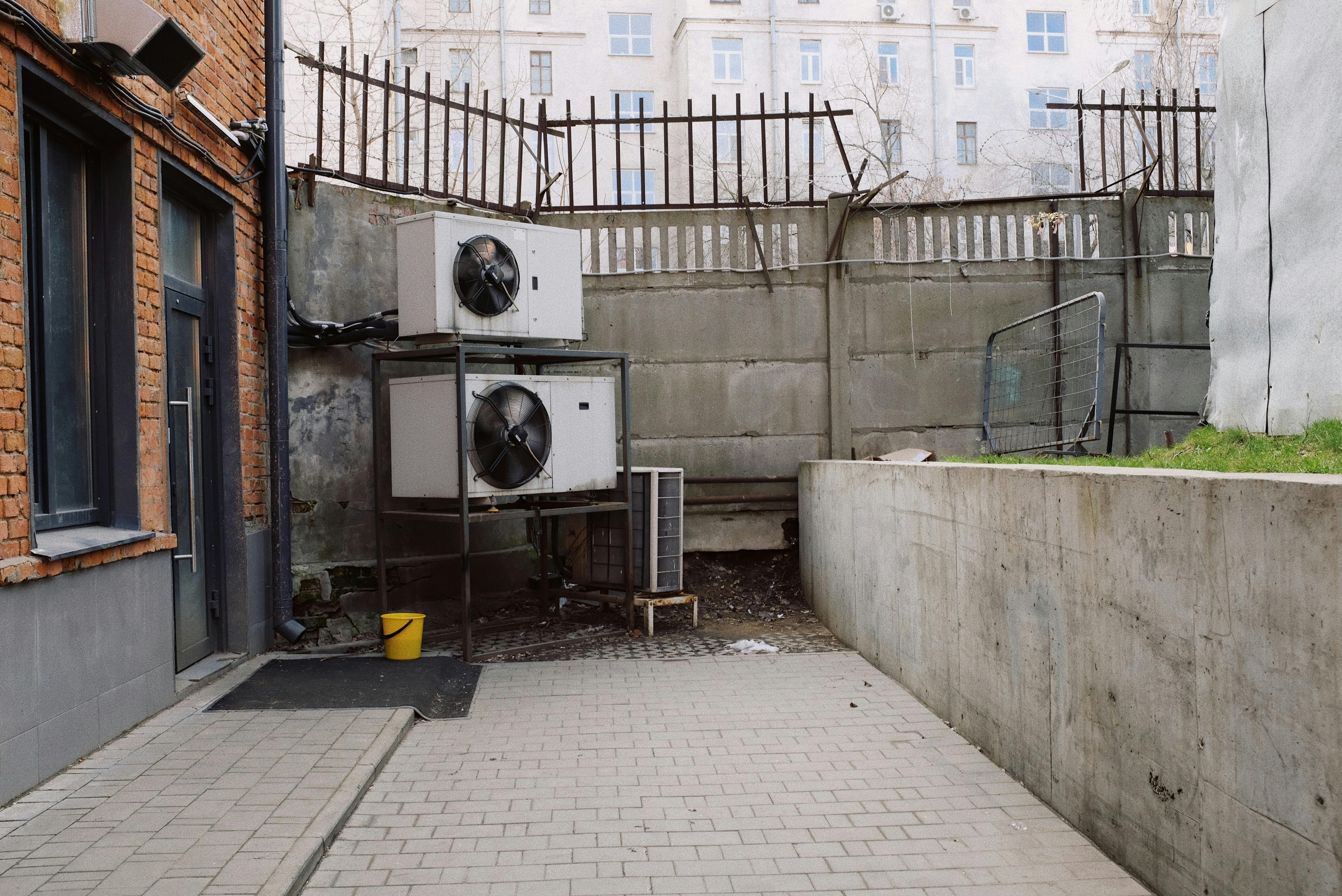
Air Conditioning Installation in Lynwood, CA
Installing a new air conditioning system is one of the most important upgrades you can make to improve comfort, indoor air quality, and energy costs in Lynwood, CA homes. Whether you are replacing an aging central system, adding a ductless mini-split, or installing a higher-efficiency heat pump, a professional, code-compliant installation tailored to local climate and building conditions ensures reliable performance and protects your investment.
Why a proper AC installation matters in Lynwood, CA
Lynwood experiences hot, dry summers with occasional heat waves that push cooling demand higher. Many homes in the area are older and may have undersized ducts, limited attic access, or insulation issues that affect system performance. A correct installation addresses these local challenges by sizing equipment to actual cooling loads, ensuring ductwork and insulation are adequate, and selecting equipment built to perform efficiently under Southern California conditions. Proper installation also keeps you compliant with California building codes and helps you access energy-efficiency rebates and incentives.
Common air conditioning installation types and when they make sense
- Central air conditioning replacement: Ideal for homes with existing ductwork that is in good condition. Replacing only the outdoor condensing unit or installing a matched high-efficiency system delivers the best long-term performance.
- Full system replacement (air handler, condensing unit, and ducts): Recommended when ducts are leaky, undersized, or the indoor unit is at the end of its life. This restores balanced airflow and improves comfort consistency.
- Ductless mini-splits: Best for zoned cooling, room additions, older homes without ducts, or where running ductwork is impractical. They offer high efficiency and flexible installation.
- Heat pump installations: An increasingly common choice in Lynwood for efficient year-round heating and cooling, especially with higher SEER and HSPF ratings that meet current California standards.
- Hybrid systems and variable-speed units: For homeowners focused on efficiency and precise temperature control, these systems deliver quieter operation and better humidity control during hot Southern California summers.
Typical problems we address during installation
- Undersized or leaky duct systems causing uneven cooling
- Incorrect equipment sizing that leads to short-cycling or poor humidity control
- Inadequate refrigerant charge or improper airflow due to installation shortcuts
- Lack of proper ventilation or return-air pathways
- Noncompliant electrical connections or missing permits under California code
The installation process — what to expect
- On-site assessment and load calculations
- A certified technician measures your home, evaluates insulation, windows, orientation, and occupancy, and conducts Manual J load calculations to determine the correct system capacity. This avoids common issues caused by oversized or undersized equipment.
- Equipment selection
- Weighing factors such as SEER/HSPF ratings, system type (central, ductless, or heat pump), and compatibility with existing ductwork. For Lynwood homeowners, higher-efficiency units and properly matched components reduce cooling costs during hot months and make systems eligible for local and state rebates.
- Permits and code compliance
- Installation must comply with California Title 24 energy standards and local building codes. Permit submission and inspections ensure safety and eligibility for utility incentives. Proper documentation is also required for warranty validity and energy program rebates.
- Pre-installation preparations
- Assess duct condition, create clear access to electrical panels, and plan for condensate drainage. If ducts will be modified, technicians will inspect insulation and register sizes to match airflow needs.
- Professional installation steps
- Removal of old equipment with proper refrigerant recovery if needed
- Precise mounting and securement of outdoor and indoor units
- Proper refrigerant charging and leak testing
- Duct adjustments, sealing, and balancing for uniform airflow
- Electrical wiring, disconnect installation, and surge protection as required
- System testing and commissioning
- Performance verification including airflow measurements, refrigeration pressures, temperature split checks, thermostat calibration, and safety control tests. Technicians will demonstrate system operation and confirm cooling capacity and efficiency targets are met.
- Final inspections and documentation
- Completion of permit inspections, manufacturer warranty registration, and provision of operating documentation and maintenance recommendations.
Testing, commissioning, and quality checks
A thorough commissioning process is essential. Tests typically include:
- Airflow and static pressure testing to verify correct blower settings
- Refrigerant charge confirmation to manufacturer specifications
- Temperature delta (supply vs. return) and runtime monitoring
- Electrical load and safety control verification
- Duct leakage tests when ducts are modified or replacedThese checks protect system longevity and ensure peak efficiency in Lynwood’s climate.
Warranty and post-installation support
New AC installations typically include manufacturer warranties on parts and compressor, plus a labor or workmanship warranty covering the installation. Post-installation support often includes:
- Warranty documentation and registration
- Recommended seasonal maintenance to preserve efficiency and avoid premature failure
- Options for service plans or tune-ups that include filter changes, coil cleaning, and refrigerant checks
- Assistance with warranty claims and replacement parts if needed
Financing and rebate assistance
Many homeowners qualify for local utility rebates, state incentives, and federal tax credits when they choose high-efficiency equipment or electrification through heat pumps. Financing options can spread the cost of installation over time. A compliant installation and proper documentation are required to secure incentives, and guidance through the rebate and incentive process helps maximize savings.
Benefits of a correctly installed AC system in Lynwood
- Lower energy bills and better humidity control during hot summer months
- More consistent comfort and fewer hot or cold spots throughout the home
- Extended equipment life and more reliable performance during peak demand
- Compliance with California energy codes and eligibility for rebates
- Improved indoor air quality when paired with upgraded filtration and proper ventilation
Maintenance advice after installation
- Schedule annual or biannual tune-ups before peak cooling season
- Replace filters regularly and use the correct filter efficiency for your system
- Keep outdoor coils clear of debris and vegetation for optimal airflow
- Monitor for changes in performance such as increased runtime, reduced airflow, or unusual noises—early diagnosis prevents bigger issues
A professional, code-aware installation tailored to Lynwood’s climate and housing stock ensures efficient, reliable cooling and protects your investment. Proper sizing, careful duct work, precise refrigerant charging, and rigorous testing are the foundation of a system that will keep your home comfortable for years while maximizing available energy incentives and abiding by California regulations.
Customer
Testimonials
Our customers consistently praise the exceptional service and professionalism of our team. They appreciate the honest advice, meticulous work, and the care taken to ensure their satisfaction.

.webp)
Service Areas
