

Air conditioning replacement in Lynwood, CA helps homeowners make informed decisions based on system age, efficiency, and comfort needs. The service guides when to repair versus replace, details the replacement process—from load calculations to permit approvals—and compares SEER-rated options to suit different budgets. It also covers expected energy savings, available rebates and financing, and warranty options, along with post-installation maintenance to optimize performance. By considering load, local climate, and long-term plans, homeowners can select a reliable, efficient system with lasting value.

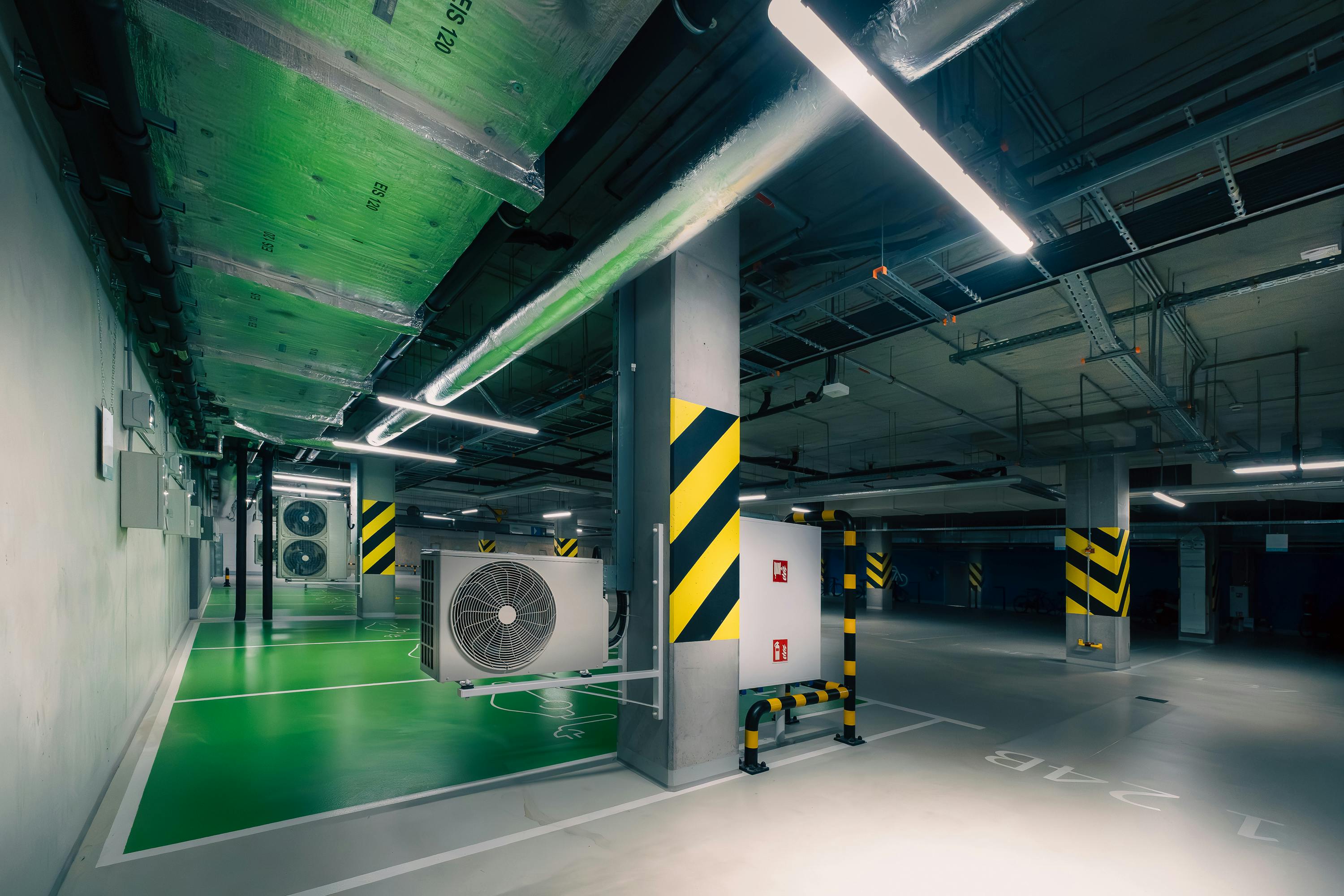
Air Conditioning Replacement in Lynwood, CA
Replacing an aging or inefficient air conditioning system is a major decision for Lynwood homeowners. With long, warm summers and rising energy costs across Southern California, the right replacement can improve comfort, lower monthly energy use, and reduce the risk of costly midseason failures. This page explains how to decide between repair and replacement, walks through the replacement process, compares high-efficiency models and SEER ratings, outlines typical timelines and removal procedures, and summarizes expected energy savings, rebates/financing options, and warranty choices tailored to Lynwood, CA homes.
When to Repair vs. Replace: Practical evaluation for Lynwood homes
Consider replacement when one or more of these apply:
- The system is more than 10 to 15 years old and uses phased-out refrigerants such as R-22. Older equipment loses efficiency and may face rising repair costs and parts scarcity.
- Repairs would be frequent or involve major components like the compressor or evaporator coil.
- Your current system does not keep the house comfortable on typical Lynwood heat days, or rooms have large temperature swings.
- Energy bills have been increasing despite normal usage, indicating declining system efficiency.
- You plan home upgrades that change cooling load, such as new insulation, additions, or replacing windows.
Use this simple decision framework:
- Minor isolated failures and younger systems typically justify repair.
- Multiple recent repairs, age over a decade, or a desire for lower energy use generally point to replacement.
Common AC problems that trigger replacement
- Recurrent compressor failures
- Refrigerant leaks, especially in vintage R-22 systems
- Severely corroded or leaking coils
- Frequent short cycling or inability to reach setpoint
- Poor airflow due to mismatched ductwork or undersized equipment
The replacement process: what to expect step by step
- Initial assessment and load calculation
- A qualified technician inspects your existing system, evaluates ductwork, and performs a Manual J load calculation to size the new unit correctly for your Lynwood home and climate.
- Model selection and efficiency planning
- Discuss SEER, sensible cooling, and features like variable-speed compressors, two-stage cooling, and smart thermostats to match comfort needs and budget.
- Permitting and local code compliance
- California jurisdictions require permits for AC replacement. The installer will pull permits and ensure compliance with Title 24 energy requirements and local codes.
- Old unit removal and disposal
- Refrigerant recovery, safe removal, and recycling or disposal of the old equipment per EPA and California recycling rules.
- Installation and system integration
- Mounting the outdoor unit, connecting refrigerant lines, installing or adapting the indoor coil or air handler, sealing duct connections, and electrical work.
- Start-up, testing, and homeowner orientation
- System charging, airflow testing, verifying temperatures, programing the thermostat, and demonstrating system operation.
Removal and disposal details for Lynwood properties
- Refrigerant recovery: Technicians must capture and reclaim refrigerant following federal and state rules. If your old system uses R-22, expect special handling due to phaseout.
- Recycling and scrap: Metal and electronic parts are separated for recycling. Oil and other fluids are disposed of through licensed channels.
- Permits and inspections: Final inspection by the local jurisdiction may be required before the system is approved for operation.
Comparing high-efficiency models and SEER ratings
- What SEER means: SEER (Seasonal Energy Efficiency Ratio) measures cooling output per unit of energy used across a season. Higher SEER equals greater efficiency.
- Typical options:
- Standard-efficiency units: Lower initial cost, moderate efficiency suitable for smaller budgets.
- High-efficiency units (14 SEER and above): Better energy savings, often featuring variable-speed compressors and quieter operation.
- Premium systems (20+ SEER): Top-tier efficiency with advanced humidity control and highest long-term operating savings.
- For Lynwood’s warm climate, upgrading from an older low-SEER unit to a modern high-SEER system often produces significant comfort and efficiency benefits. Matching SEER choice to home characteristics, cooling load, and budget yields the best outcome.
Expected energy savings and performance improvements
- Energy savings depend on the efficiency gap between old and new equipment and on proper sizing and installation. Typical improvements when replacing a much older unit with a modern high-efficiency system can reduce cooling energy consumption substantially.
- Additional benefits include better humidity control during hot months, more consistent temperatures across rooms, reduced noise, and lower likelihood of mid-season failures.
Timelines you can plan on in Lynwood
- Assessment and model selection: 1 to 7 days depending on scheduling.
- Permitting: Variable; some local permits are quick while others can take several days.
- Installation: Most replacements are completed in 1 to 2 days for standard split systems; complex jobs with ductwork modifications or system upsizing may require 2 to 4 days.
- Final inspection: Usually within a few days after installation, depending on the local building department’s schedule.
Rebates, incentives, and financing options
- Utility and state incentives: Southern California electric programs and California energy efficiency initiatives often provide rebates or incentives for high-efficiency equipment and heat pump solutions. Eligibility depends on model, SEER/HSPF ratings, and program rules.
- Federal incentives: Periodic federal tax credits or efficiency incentives may apply to qualifying systems and upgrades.
- Financing: Options commonly include short-term financing through HVAC lenders, low-interest programs, or property-assessed clean energy (PACE) programs. Some utilities also offer rebate plus financing programs to lower upfront costs.
- When planning replacement, confirm current local and state programs and documentation needed to claim incentives.
Warranty options and what to look for
- Manufacturer warranty: Covers parts for a set period (often 5 to 10 years or longer for select components) when equipment is registered. Check exclusions and required maintenance to keep the warranty valid.
- Compressor warranties: Many manufacturers provide extended compressor coverage separately.
- Contractor workmanship warranty: Covers installation quality, labor, and related issues for a specified period. Ask about typical coverage length and transferability for future owners.
- Keep maintenance records and registration paperwork to ensure warranty protection.
Post-replacement maintenance and long-term value
- Regular maintenance extends life and preserves efficiency. Recommended tasks include seasonal tune-ups, filter replacement, refrigerant level checks, and duct sealing inspections.
- Proper installation and ongoing care maximize energy savings and comfort. For Lynwood homes, addressing insulation, shading, and thermostat settings further enhances performance.
Replacing an air conditioning system is a technical and financial decision that affects comfort, indoor air quality, and long-term energy use. Evaluating repair versus replacement with a focus on system age, frequency of breakdowns, refrigerant type, and energy goals will help you choose the right path. Proper sizing, code-compliant installation, and exploring current rebates and financing options ensure a replacement that meets the needs of Lynwood residences and the Southern California climate.
Customer
Testimonials
Our customers consistently praise the exceptional service and professionalism of our team. They appreciate the honest advice, meticulous work, and the care taken to ensure their satisfaction.

.webp)
Service Areas
