

Ventilation in Santa Clarita, CA

Santa Clarita ventilation services focus on designing, installing, and maintaining whole-house systems tailored to hot, dry conditions and wildfire smoke. The process includes assessing existing airflow, measuring CFM, testing for leaks, and evaluating IAQ with CO2 and humidity checks. Solutions cover ERV/HRV selection, ductwork modifications, balancing, and energy-efficient filtration. Installation emphasizes code compliance, permits, controls, and commissioning. Maintenance routines extend system life, while real-world projects illustrate improved comfort, reduced odor, and better indoor air quality across Santa Clarita homes today.
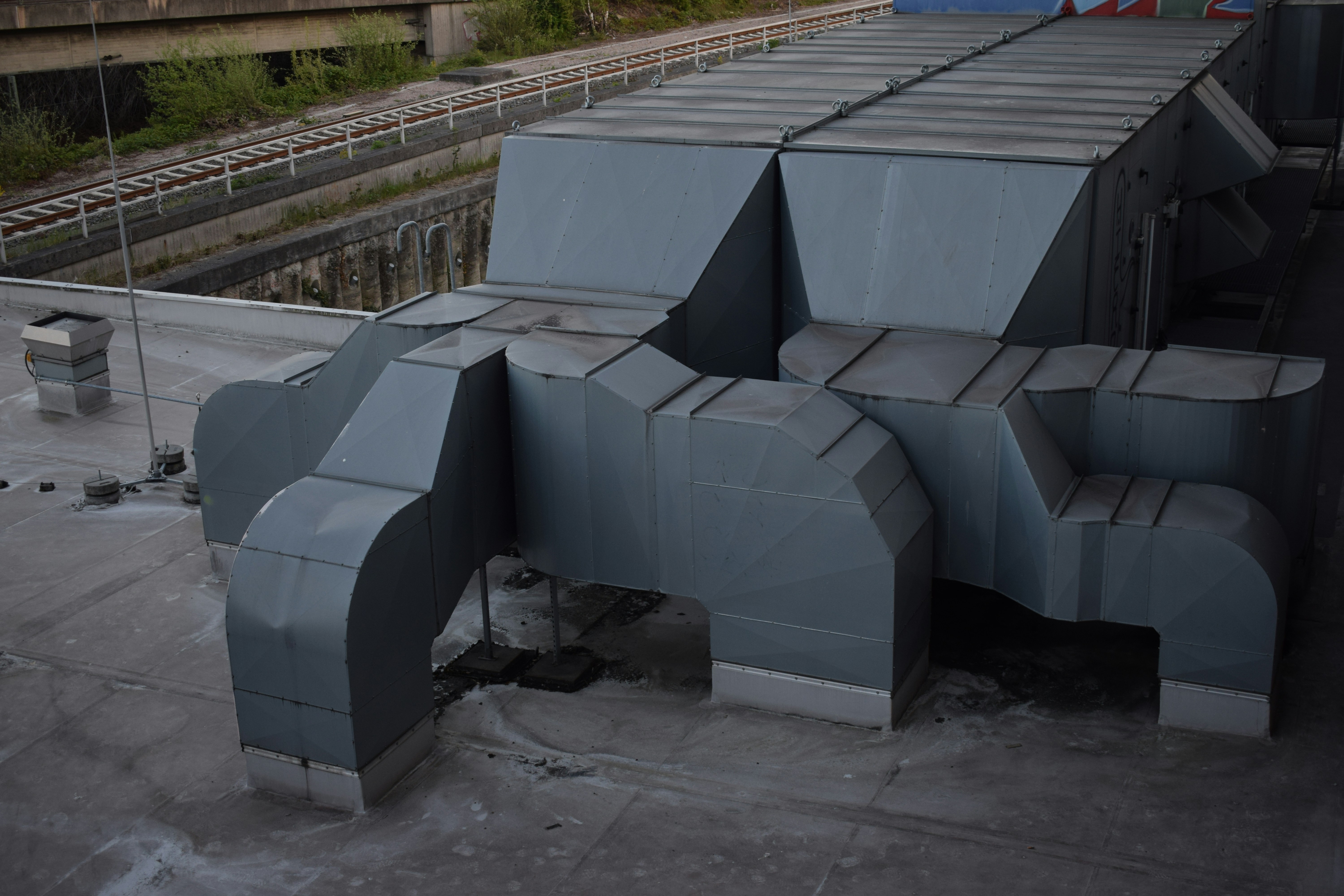
Ventilation in Santa Clarita, CA
Proper ventilation in Santa Clarita, CA is essential for healthy, comfortable homes. With hot, dry summers, temperature swings between day and night, and periodic wildfire smoke and high-pollen events, indoor air quality and controlled airflow are critical. This page explains whole-house ventilation design, assessment of existing airflow, installation of exhaust and supply systems, ERV/HRV options, ductwork modifications and balancing, code and IAQ considerations, and the typical installation and maintenance process — all tailored to Santa Clarita homes.
Why ventilation matters in Santa Clarita homes
- Santa Clarita’s climate: warm summers and cooler evenings create strong pressure differences that can drive unwanted air into living spaces. Without proper ventilation, homes can trap heat, odors, cooking and pet smells, and moisture in bathrooms and kitchens.
- Wildfire smoke and allergens: smoke events and seasonal pollen make filtration and controlled ventilation a priority for protecting indoor air quality.
- Energy and comfort: a well-designed system improves comfort while minimizing energy loss. Energy recovery ventilators (ERV) and heat recovery ventilators (HRV) let you bring in fresh air without dumping conditioned air, limiting heating and cooling penalties.
Common ventilation services and systems
- Whole-house ventilation design in Santa Clarita: balanced systems sized to match home occupancy and envelope leakage, using ASHRAE and California mechanical ventilation guidance.
- Exhaust fan installation: high-efficiency bathroom and kitchen exhaust fans, roof or wall-mount options, and inline attic fans for continuous or demand-controlled exhaust.
- Supply systems: controlled fresh air supply using dedicated ductwork and variable-speed fans to ensure even distribution.
- ERV and HRV installation: energy and heat recovery ventilators to transfer heat and moisture between outgoing and incoming air, improving comfort and reducing HVAC load.
- Ductwork modifications and balancing: sealing leaks, adding or resizing ducts, and adjusting dampers to eliminate hot/cold spots and ensure designed airflow reaches each room.
- Filtration upgrades: integrating MERV-rated filters or dedicated filtration as part of ventilation to protect against smoke, pollen, and particulate matter.
Common ventilation issues in Santa Clarita homes
- Stale indoor air and lingering odors after cooking or gatherings.
- Uneven temperatures between rooms or floors due to poor airflow distribution.
- Elevated indoor humidity in bathrooms leading to mold risk in canyons and shaded areas.
- Smoke infiltration during wildfire events causing poor indoor air quality despite closed windows.
- No or undersized mechanical ventilation in older homes, leading to reliance on window opening and uncontrolled air movement.
Assessment and diagnostic process
A thorough ventilation assessment typically includes:
- Visual inspection of existing systems, ductwork, vents, and attic/crawlspace conditions.
- Airflow measurements using anemometers at supply and exhaust points to quantify CFM (cubic feet per minute).
- Whole-house leakage testing or blower door diagnostics to estimate outdoor air infiltration.
- Indoor air quality checks for CO2, relative humidity, and particulate concentrations, especially after smoke events.
- Review of occupancy, schedules, and comfort complaints to size the right ventilation strategy.
Results guide a choice between exhaust-only, supply-only, or balanced systems with ERV/HRV. In Santa Clarita, balanced ventilation with heat/energy recovery is often recommended to limit outdoor smoke and allergens while maintaining comfort.
Installation process and what to expect
- Design and plan: determine target ventilation rate (based on house size and occupancy), select equipment (ERV vs HRV, fan types), and plan duct routing and filtration needs.
- Permitting and code review: confirm local building requirements. California Title 24 and local Los Angeles County rules affect ventilation and energy compliance, so installations are typically permitted and inspected.
- Installation steps:
- Mount and duct the ERV/HRV or ventilation fan.
- Run dedicated supply and exhaust ducts with appropriate intake locations and insect/particle protection.
- Integrate controls: timers, humidity or CO2 sensors, or demand-controlled ventilation to optimize runtime.
- Seal and insulate ducts where needed to prevent energy loss and condensation.
- Commissioning: measure final airflow, adjust balancing dampers, and verify recovery performance.
- Typical timeline: single-room exhaust fans can be installed in a day; whole-house systems, duct modifications, and ERV/HRV installations generally require 2 to 3 days depending on scope.
Ductwork modifications and balancing
- Duct sealing and insulation: reduces leakage and improves delivered airflow and efficiency — especially important in attics exposed to Santa Clarita heat.
- Adding or resizing trunk lines: ensures proper air distribution to distant rooms or multi-level homes.
- Balancing: technicians adjust dampers and fan speeds to meet target CFM at each register so every room receives the intended fresh air or exhaust.
- Combating negative pressure: balancing prevents backdrafting of combustion appliances and keeps smoke from being drawn into the home during wildfire events.
Energy, comfort, and IAQ impacts
- ERV vs HRV: ERVs transfer some moisture as well as heat, helpful where humidity control matters; HRVs focus on heat exchange. In Santa Clarita’s semi-arid climate, ERVs often provide a better balance for summer dryness and occasional humid periods.
- Energy savings: recovery ventilators reduce the heating and cooling load associated with bringing in outdoor air, lowering HVAC runtime when compared with simple open-window ventilation.
- Comfort gains: consistent airflow and reduced hot/cold spots improve overall comfort and reduce thermostat cycling.
- Health benefits: filtered, controlled fresh air reduces indoor pollutant levels, lowers CO2 buildup, and limits smoke and pollen intrusion on poor air days.
Maintenance and expected lifespan
- Routine tasks: replace or clean filters every 3-12 months depending on filter type and local smoke/pollen conditions; clean intake screens and inspect condensate drains annually.
- ERV/HRV service: core or heat-exchange elements typically need cleaning yearly and may require component replacement every 10-15 years.
- Fan motors and duct seals: inspect every 2-3 years for wear, leaks, or insulation degradation, especially after any attic work.
- Proper maintenance preserves energy performance and IAQ, and extends equipment life.
Examples of common Santa Clarita projects
- Example 1: A canyon-adjacent home experienced frequent smoke infiltration. Solution: install ERV with MERV-rated filtration, sealed intake behind a protected louver, and demand control tied to local air quality alerts.
- Example 2: Older Valencia bungalow had uneven airflow and high bathroom humidity. Solution: add inline exhaust fans, duct sealing, and a supply-only system to pressurize the living area and reduce moisture issues.
- Example 3: Newer multi-level home with high ceilings: balanced HRV system with zoning and duct modifications to eliminate upstairs overheating and keep fresh air distributed during summer evenings.
Service area notes
Ventilation services are designed for all Santa Clarita neighborhoods and nearby communities, including Valencia, Saugus, Newhall, Canyon Country, and Stevenson Ranch. Local considerations such as summer attic heat, canyon breezes, and wildfire smoke patterns are factored into every design to optimize performance for your neighborhood conditions.
Proper ventilation in Santa Clarita, CA protects your indoor air quality, improves comfort, and reduces unnecessary energy use. A well-planned system — from accurate assessment and code-compliant design to careful installation and routine maintenance — delivers measurable benefits for homes facing local climate and air-quality challenges.
Customer
Testimonials
Our customers consistently praise the exceptional service and professionalism of our team. They appreciate the honest advice, meticulous work, and the care taken to ensure their satisfaction.

.webp)
Service Areas
