

Thermostat Repair in Santa Clarita, CA

Thermostat repair in Santa Clarita, CA addresses common failures that disrupt home comfort, including power loss, inaccurate readings, faulty wiring, display problems, and connectivity with smart systems. A structured diagnostic process identifies the root cause through visual inspection, power checks, wiring verification, sensor calibration, and software testing, ensuring only necessary parts are replaced. Typical repairs include battery replacement, C-wire installation, wiring retermination, sensor recalibration, and control-board or relay fixes, followed by preventive maintenance to extend system life.
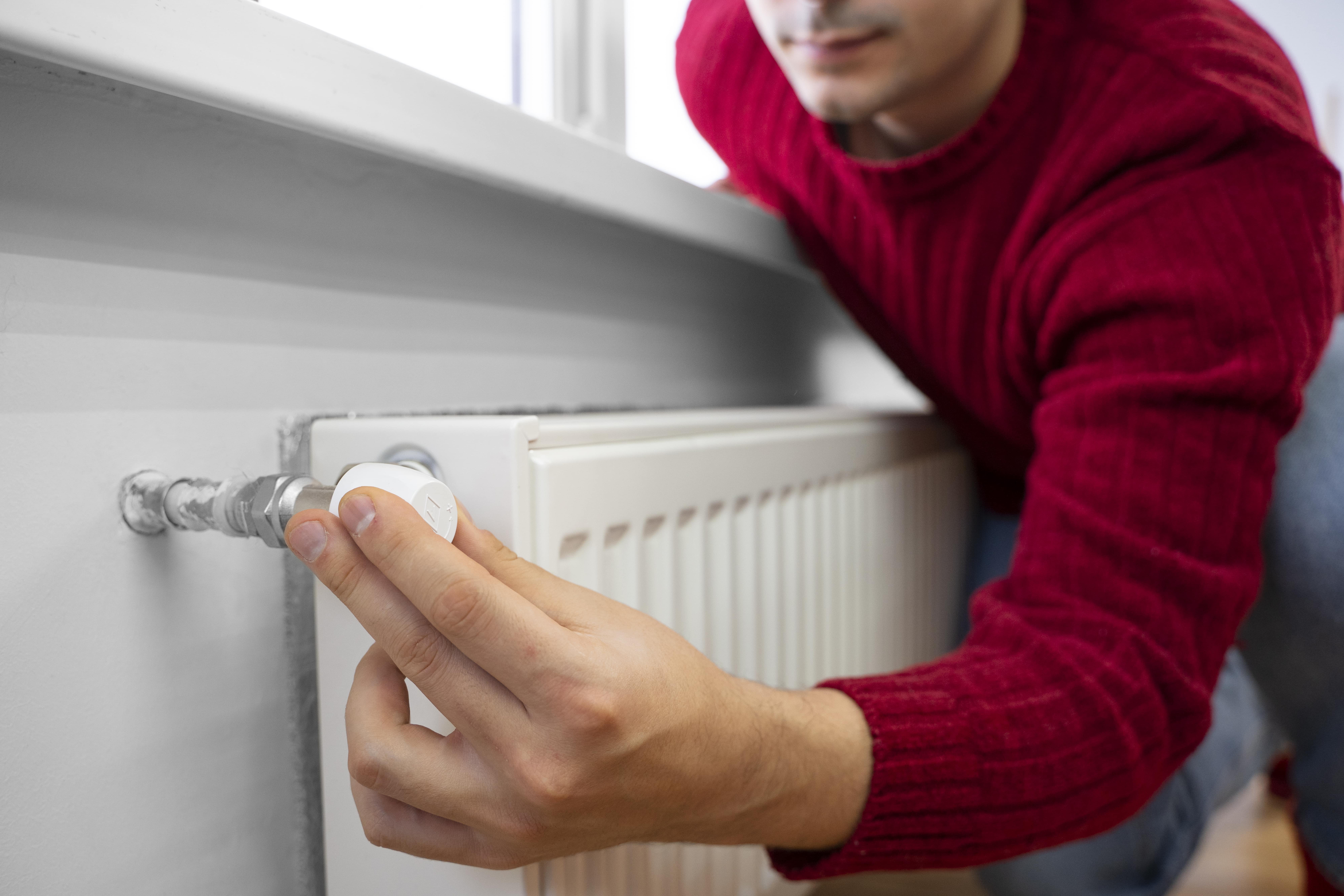
Thermostat Repair in Santa Clarita, CA
A properly functioning thermostat is the control center of your home comfort system. In Santa Clarita, CA, where summers can be hot and dry and winter nights can drop to cool temperatures, a misbehaving thermostat leads to wasted energy, uneven comfort, and stress on your HVAC equipment. Thermostat repair in Santa Clarita addresses common problems like loss of power, inaccurate temperature readings, faulty wiring, and display or control failures so your heating and cooling respond reliably when you need them.
Common thermostat repair issues in Santa Clarita
- Power loss or intermittent power: Thermostats that go dark or reboot can be caused by dead batteries, a tripped breaker, a failed C wire, or internal component failure.
- Inaccurate temperature readings: Thermostats that read higher or lower than the room actually feels are often poorly located, have dirty sensors, or suffer sensor drift with age.
- Faulty wiring or loose connections: Vibrations, pests, or previous DIY work can loosen terminals or cause shorted wires, preventing signals from reaching the HVAC system.
- Display or control failures: Blank screens, unresponsive buttons, or touchscreens that do not register input indicate component faults or power delivery problems.
- Communication errors with smart systems: Smart thermostats may lose connection to Wi Fi or fail to pair with HVAC interface modules, often due to network issues or firmware glitches.
- Erratic switching or short cycling: Thermostat malfunctions can cause the system to turn on and off too frequently, increasing wear and energy use.
How diagnostics are performed
A clear diagnostic process isolates the root cause so the correct repair is performed without unnecessary parts replacement. Typical diagnostic steps include:
- Visual inspection: Check thermostat placement, battery condition, display status, and evidence of moisture, corrosion, or rodent damage.
- Power verification: Confirm battery voltage and check the furnace or air handler for a tripped breaker, blown fuse, or C wire continuity.
- Wiring inspection: Verify each terminal is connected correctly, look for frayed insulation, and test for voltage at the control board to ensure signals pass through.
- Temperature sensor check: Compare the thermostat reading with a calibrated thermometer at the same location to determine sensor accuracy.
- Software and connectivity tests: For smart thermostats, check Wi Fi strength, firmware version, and cloud connectivity; perform soft resets if appropriate.
- System-level response: Command the HVAC system through the thermostat while monitoring relay and actuator response to confirm the thermostat is sending correct signals.
Diagnostics typically identify whether the issue is a simple fix such as a battery or a trim of wiring, or whether a component replacement is required.
Typical repairs and parts replacements
- Battery replacement and system reset for battery powered units.
- Terminal cleaning and wire retermination for loose or corroded connections.
- C wire installation or conversion for thermostats that need a common power wire.
- Thermostat replacement: swapping out a failed or obsolete control with a new compatible unit.
- Sensor replacement or recalibration if the internal sensor is faulty or drifted.
- Control board or relay repair if the thermostat interface has internal electrical failure.
- Network module replacement or firmware update for smart thermostat connectivity issues.
- Repositioning and recommissioning: moving the thermostat to a better location and recalibrating setpoints and schedules.
Parts used for repairs are matched to your HVAC system type and the thermostat model to ensure compatibility and reliable performance.
Estimated service times and cost factors
- Simple fixes: Battery changes, basic resets, or minor wiring reterminations are often completed within 15 to 45 minutes.
- Moderate repairs: Installing a C wire, replacing sensors, or resolving wiring faults commonly take 45 minutes to 2 hours.
- Full thermostat replacement or smart system integration: Replacing the thermostat, configuring schedules, and connecting to network services generally take 1 to 2 hours, depending on doorbell, zoning, or control complexity.
Factors that influence final cost include the complexity of wiring, accessibility of the thermostat and HVAC control board, whether a new thermostat is purchased, and if additional system upgrades like zoning or advanced sensors are added. Santa Clarita homes with older HVAC systems or nonstandard wiring may require more time to ensure a safe, code-compliant installation.
Emergency repair options
Thermostat failures that leave your home uncomfortably hot or cold require a rapid response. Emergency repair options typically include:
- Same-day diagnostics for systems not heating or cooling at all.
- Temporary measures such as manual overrides or portable heating and cooling suggestions while waiting for parts.
- Priority scheduling for households with vulnerable occupants who require stable indoor temperatures.
During emergencies the priority is restoring safe, stable temperature control and preventing further HVAC stress or damage.
Preventative maintenance tips for Santa Clarita homes
- Keep thermostats out of direct sunlight and away from heat sources like kitchens or heat-generating electronics to avoid false high readings.
- Replace thermostat batteries annually, or before peak summer and winter seasons, to prevent unexpected power loss.
- Schedule HVAC tune ups before high-use seasons to catch wiring issues and control faults early; seasonal maintenance reduces the chance of thermostat-related failures.
- For smart thermostats, keep firmware updated and verify Wi Fi signal strength at the thermostat location to maintain cloud connectivity and remote control performance.
- Inspect visible wiring for wear and secure loose terminal screws if you are comfortable doing so; otherwise include wiring checks in your professional maintenance visit.
Because Santa Clarita sees wide temperature swings between day and night, keeping the thermostat operating accurately preserves comfort and efficiency throughout the year.
Warranty and follow-up support
Repairs and part replacements should come with clear warranty terms on labor and components. Typical warranty coverage includes limited parts guarantees and a period of follow-up support to verify the repair holds under normal operation. Follow-up visits can include rechecks of wiring integrity, sensor readings, and scheduling accuracy for smart thermostats to ensure long-term reliability.
Benefits of timely thermostat repair
Prompt thermostat repair restores accurate temperature control, reduces energy waste, and prevents unnecessary strain on HVAC equipment. In Santa Clarita, where seasonal demand on air conditioning is high, fixing thermostat issues quickly preserves system life and keeps energy bills under control. Proper repair and periodic maintenance also support safer operation, improved comfort, and the predictable performance needed for sensitive household situations.
Addressing thermostat problems early ensures your heating and cooling behave as expected, protecting both comfort and the life of your HVAC system in Santa Clarita homes.
Customer
Testimonials
Our customers consistently praise the exceptional service and professionalism of our team. They appreciate the honest advice, meticulous work, and the care taken to ensure their satisfaction.

.webp)
Service Areas
