

Heating Tune-up in Whittier, CA

Whittier, CA, residents truly benefit from a comprehensive heating tune-up from Plum HVAC that enhances reliability, efficiency, safety, and comfort. Our service expertly addresses common issues such as uneven heating, short cycling, high energy use, and combustion problems, all while providing a thorough seasonal checklist: burners, coils, filters, thermostats, safety controls, venting, and combustion analysis. Our routine includes professional inspections, clear recommended fixes, and straightforward reporting. Regular annual maintenance with Plum HVAC, plus seasonal follow-ups after wildfire smoke events, genuinely helps extend equipment life and protect your indoor air quality.
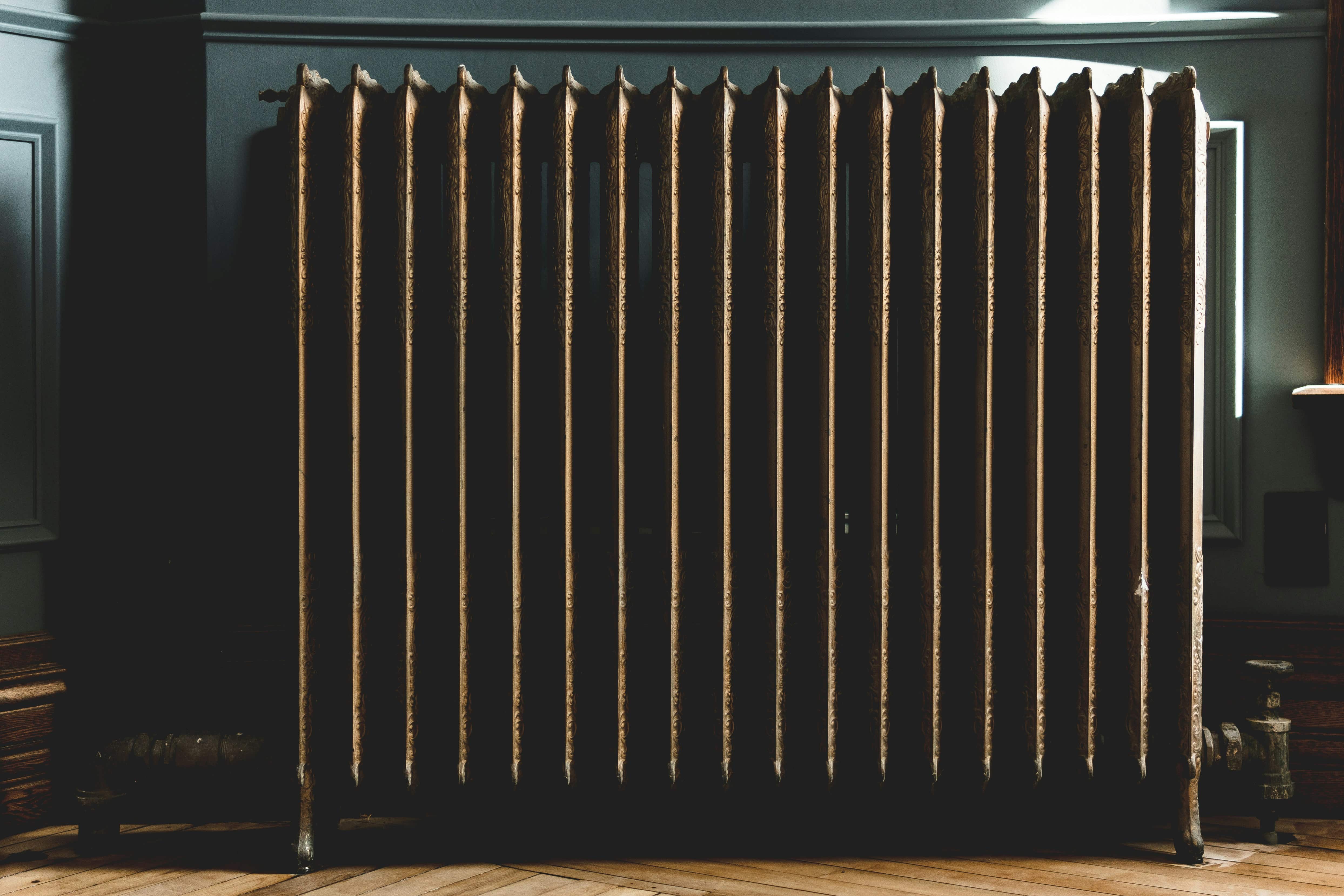
Heating Tune-up in Whittier, CA
A professional heating tune-up in Whittier, CA keeps your home comfortable, lowers energy use, and prevents surprise breakdowns during the cooler months. Even though winters here are milder than inland areas, local conditions like seasonal Santa Ana winds, occasional wildfire smoke, and coastal moisture can put extra stress on heating equipment and filters. A thorough annual tune-up addresses safety, reliability, and efficiency so your furnace or heat pump performs when you need it.
Why a heating tune-up matters for Whittier homes
- Reliability: Small issues that are easy to fix during a tune-up can turn into costly failures when temperatures drop.
- Efficiency and lower bills: Cleaning, recalibrating, and testing restores proper combustion and airflow so the system runs less often and uses less energy.
- Safety: Inspection of safety controls and flue venting reduces the risk of carbon monoxide leaks and other hazards.
- Indoor air quality: With regional wildfire smoke and dust from seasonal winds, keeping burners, coils, and filters clean reduces particle circulation inside the home.
- Longevity: Regular service reduces wear on motors, bearings, and seals, extending the useful life of your equipment.
Common heating problems in Whittier
- Uneven heating or cold spots in rooms
- System short-cycling or running constantly
- Higher than normal energy bills during the heating season
- Strange smells or audible banging, rattling, or squealing
- Difficulty starting, delayed ignition, or frequent pilot issues
- Visible soot or yellow burner flame indicating combustion problems
- Poor indoor air quality after wildfire smoke events
Standard seasonal checklist for a heating tune-up
A professional tune-up follows a systematic checklist so nothing is missed. Key items include:
- Inspection and cleaning of burners and coils: Remove soot, debris, and buildup that reduce combustion efficiency.
- Filter check and recommendations: Inspect, clean, or advise replacement of air filters and media to restore proper airflow.
- Thermostat calibration: Verify the thermostat reads and controls temperature accurately and check programmable settings.
- Safety controls inspection: Test limit switches, pressure switches, flame sensors, and safety interlocks for proper operation.
- Flue and venting check: Inspect flue pipe, chimney or vent termination for blockages, corrosion, or improper draft.
- Combustion analysis: Measure combustion gases and carbon monoxide to ensure safe and efficient fuel burning.
- Lubrication: Oil motors, bearings, and moving parts that require lubrication to reduce friction and noise.
- Performance testing: Measure system temperatures, airflow, electrical load on motors, and overall operation to confirm manufacturer specifications.
What the technician checks and why it matters
- Visual system inspection: Identifies rust, corrosion, rodent damage, loose connections, and visible leaks before they worsen.
- Burner and flame inspection: A clean, blue flame indicates good combustion. Yellow flames or soot suggest burner adjustment or cleaning is needed.
- Combustion gas and CO testing: Confirms that exhaust gases are leaving safely and combustion is efficient. Even low levels of CO are a safety concern.
- Airflow and temperature rise: Ensures the blower and ductwork are moving the right volume of air. Poor airflow increases energy use and shortens equipment life.
- Electrical component check: Verifies capacitors, contactors, and wiring are functioning to prevent motor failure and electrical hazards.
- Documented findings and recommendations: A clear report explains observed issues, simple fixes performed, and items to monitor or plan for replacement.
Typical tune-up frequency and timing for Whittier
- Annual pre-season tune-up: Recommended before the first sustained period of heating. For most Whittier homes that means fall service so the system is ready for cool nights and any cold snaps.
- Heat pump systems: Consider spring and fall inspections if the system provides both heating and cooling, to optimize both seasons.
- After wildfire smoke events: Schedule a follow-up inspection if your home was exposed to heavy smoke; filters and indoor components can become saturated.
- High-use or older systems: Homes with older equipment, pets, or heavy indoor pollutants may benefit from more frequent checks.
Simple homeowner maintenance between tune-ups
- Replace or clean filters regularly. In dusty seasons or after smoke exposure, check filters monthly until conditions stabilize.
- Keep outdoor units and vent terminations clear of debris, leaves, and overgrown landscaping.
- Maintain 1 to 2 feet of clearance around vents and combustion air intakes.
- Check thermostat batteries and settings seasonally to avoid unexpected cycling or failure.
- Monitor energy use and indoor comfort; sudden changes can indicate a developing problem.
Benefits you’ll notice after a professional tune-up
- More consistent home temperatures and quieter system operation
- Lower energy use and more predictable utility bills
- Reduced risk of midseason breakdowns and emergency repairs
- Improved safety with verified combustion and venting performance
- Better indoor air quality through cleaner filters and components
- Greater confidence your heating system will last longer and operate more efficiently
Customer
Testimonials
Our customers consistently praise the exceptional service and professionalism of our team. They appreciate the honest advice, meticulous work, and the care taken to ensure their satisfaction.

.webp)
Service Areas
