

Heating Maintenance in Whittier, CA

Heating maintenance in Whittier, CA provides a proactive, comprehensive plan of inspection, cleaning, testing, and prioritized service to prevent failures, extend equipment life, and improve indoor air quality. The program features biannual or annual visits, filter guidance for wildfire smoke and allergens, safety checks for gas furnaces, thermostat calibration, duct inspection, and performance testing. Enrollment covers tiered options and clear scheduling, with seasonal reminders designed to keep your system reliable and energy efficient year round.
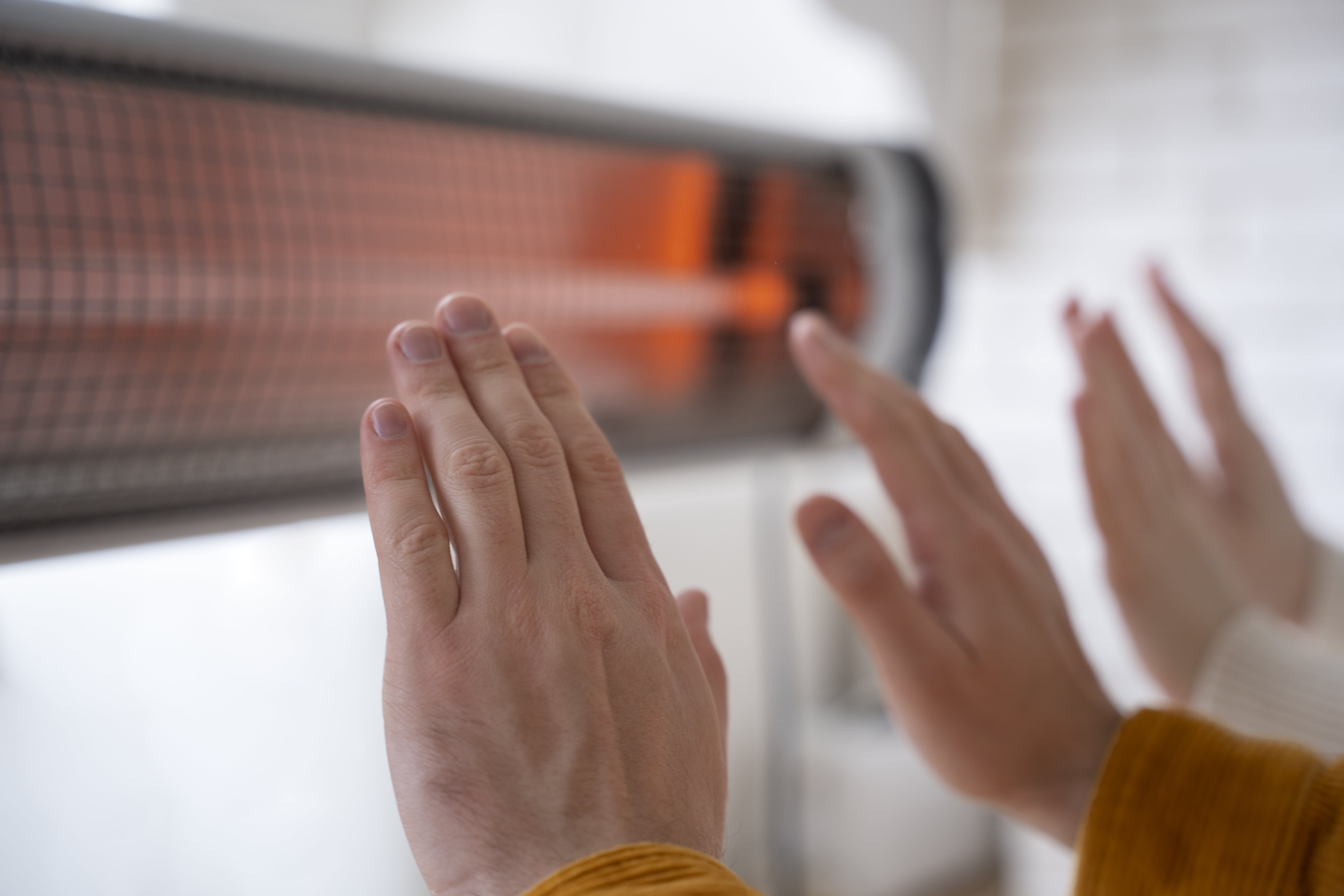
Why preventive heating maintenance matters in Whittier, CA
Whittier experiences mild winters with occasional cold snaps, and homes often rely on furnaces, heat pumps, or packaged HVAC systems that run intermittently. Intermittent use, combined with urban dust, pollen, and periodic wildfire smoke, increases the risk of clogged filters, ignition problems, and reduced efficiency. Regular maintenance:
- Keeps systems ready for sudden cold evenings
- Reduces costly emergency repairs during peak demand
- Improves indoor air quality by ensuring filtration and ventilation components function properly
- Extends the life of expensive equipment like heat pumps and gas furnaces
Common heating maintenance issues in Whittier, CA
Homeowners in the area commonly encounter these problems if maintenance is neglected:
- Dirty or clogged air filters and duct dust buildup from urban pollutants and seasonal smoke
- Ignition failures or delayed ignition in older gas furnaces
- Reduced heating output from uncalibrated thermostats or blocked vents
- Refrigerant charge issues or compressor stress in heat pumps that run year-round for cooling and heating
- Blower motor wear and noisy operation due to dust and infrequent use
- Duct leaks and poor air balance causing uneven room temperatures
What a preventive maintenance program includes
A thorough heating maintenance program focuses on inspection, cleaning, testing, and prioritized service to prevent failures. Typical components include:
- Scheduled inspections twice a year or annually depending on equipment and coverage level
- Filter checks and recommended replacements with guidance for MERV ratings appropriate for wildfire smoke and allergies
- Combustion safety checks for gas furnaces, including flame sensor, heat exchanger inspection for cracks, and carbon monoxide risk assessment
- Electrical safety and connection checks to prevent shorts and arcing
- Thermostat calibration and control system diagnostics
- Blower motor, belt, and bearing inspection; lubrication where applicable
- Heat exchanger and condenser coil cleaning for heat pumps and packaged units
- Refrigerant level check and basic leak detection for heat pump systems
- Duct inspection for visible leaks, loose connections, and insulation concerns
- Performance testing to confirm proper airflow, temperature rise, and system efficiency
Diagnostic process and prioritized maintenance tasks
A clear diagnostic and prioritization approach keeps service focused on safety and reliability:
- Visual and operational inspection to identify immediate hazards (gas leaks, CO risks, electrical issues).
- Basic cleaning and filter replacement to restore airflow and indoor air quality.
- Function tests for ignition, burners, thermostat, blower operation, and cycle efficiency.
- Prioritized repairs: safety items first, efficiency and comfort items next, aesthetic or lower-priority items last.
- Documentation of findings, recommended repairs, and estimated life expectancy of major components.
Parts and labor coverage options explained
Service agreements often offer tiers to match homeowner needs and budgets. Common coverage options include:
- Basic maintenance plan: Scheduled inspections, filter guidance, and discounted labor. Ideal for newer systems with low immediate risk.
- Parts-only coverage: Covers replacement parts for covered components but requires payment for labor. Useful if labor costs are managed separately.
- Labor-only coverage: Covers technician time and diagnostic labor; parts billed separately.
- Full parts and labor coverage: Comprehensive protection covering both parts and labor for specified components, often with priority service scheduling.
- Exclusions and limits: Most agreements exclude preexisting conditions, major component overhaul beyond a specified age, or third-party alterations. Transferability and cancellation terms vary by plan.
Seasonal reminders and timing for Whittier homes
Because heating in Whittier is often intermittent, seasonal timing is important:
- Fall inspection: Schedule before the first cold evening to confirm safe operation, clean components, and replace filters after summer usage.
- Mid-winter check: A quick mid-season visit ensures continued performance during prolonged cold spells.
- Spring or summer check for heat pumps: Inspect cooling components, recharge refrigerant if necessary, and clean coils to prepare for heavy cooling use and ensure year-round reliability.
- Filter change reminders: Every 1 to 3 months depending on filter type, occupancy, and local smoke/pollen events.
- Carbon monoxide detector checks: Test detectors seasonally and replace batteries annually.
How enrollment typically works
Enrollment in a heating maintenance program is designed to be straightforward and to set expectations clearly. Typical steps include:
- Initial system assessment and documentation of existing conditions and equipment age.
- Selection of a maintenance tier that defines inspection frequency, parts and labor coverage, priority response, and any special add-ons like indoor air quality support.
- Agreement terms that outline service windows, response priorities, exclusions, and billing cadence.
- Scheduling of the first inspection and automatic seasonal reminders for future visits and filter changes.
- Ongoing recordkeeping with service reports after each visit, including recommendations and historical performance notes.
Benefits beyond repairs
Enrolling in a structured heating maintenance program offers long-term advantages:
- Predictable operating performance and fewer emergency calls during weather changes
- Extended equipment life and delayed capital replacement
- Lower utility costs from improved efficiency
- Better indoor air quality during wildfire smoke and pollen seasons
- Clear documentation that can support home resale value by showing consistent care
Regular preventive care is the practical choice for Whittier homeowners who want dependable heat, clean indoor air, and predictable maintenance costs. Well-documented service agreements tailored to your system type and local environmental factors will help your heating system operate safely and efficiently year after year.
Customer
Testimonials
Our customers consistently praise the exceptional service and professionalism of our team. They appreciate the honest advice, meticulous work, and the care taken to ensure their satisfaction.

.webp)
Service Areas
