

Heating Replacement in Whittier, CA

Whittier heating replacement offers a clear path to consistent comfort, lower energy bills, and increased home value with Precise Air Systems (FERGUSON). We explain when replacement is warranted, how it compares to repair, and how to choose the right equipment for Whittier homes—from high-efficiency gas furnaces and air-source heat pumps to ductless mini-splits and hybrid systems. We cover removal and disposal, estimated costs, available rebates and financing, typical installation timelines, and the energy, comfort, and air-quality benefits of a modern, properly sized system.
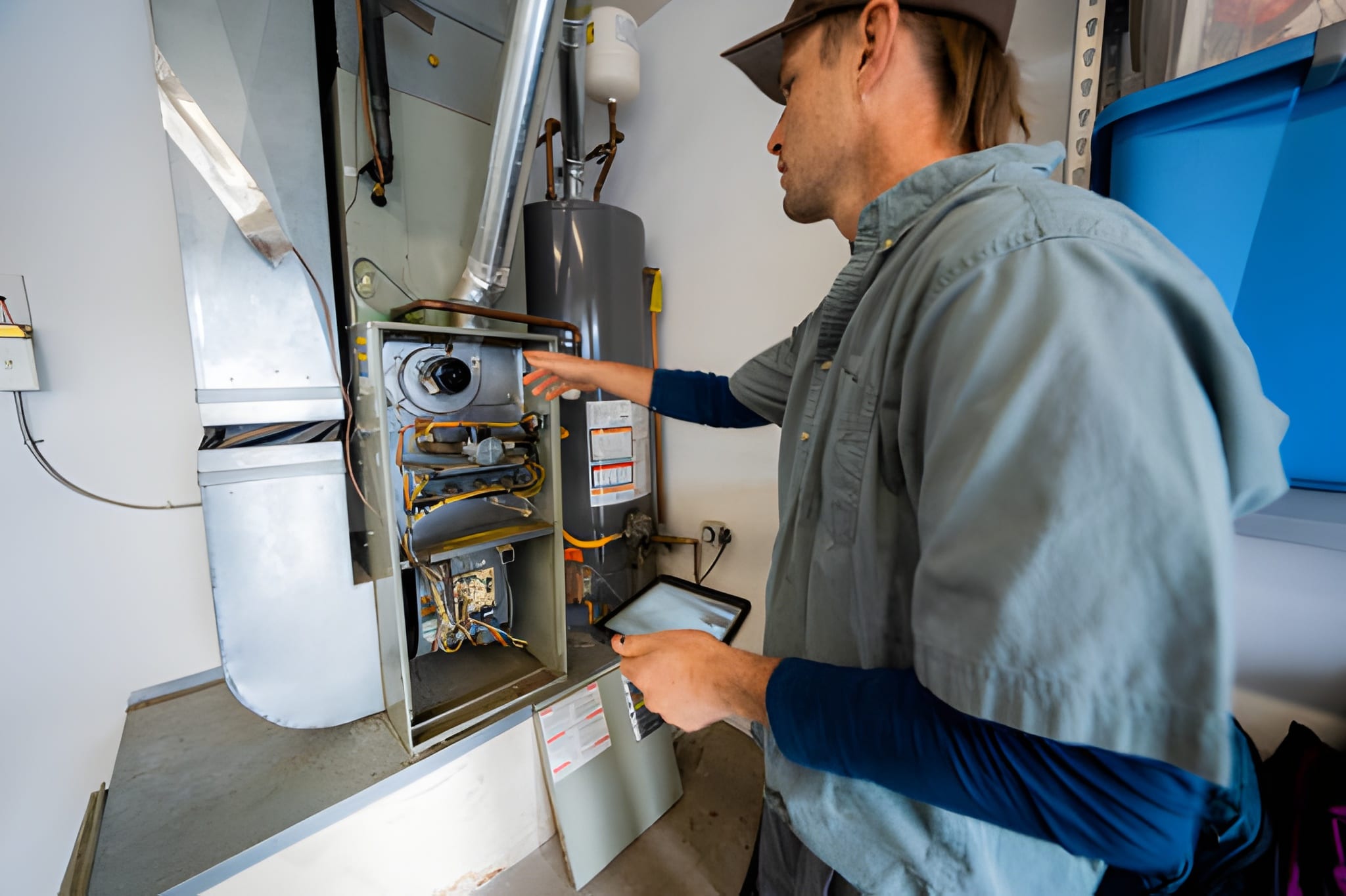
Heating Replacement in Whittier, CA
Upgrading your heating system in Whittier, CA is a decision that affects comfort, energy bills, and long-term home value. Even though Whittier has mild Mediterranean winters, older or undersized systems can leave rooms cold on coastal foggy nights or during occasional inland cold snaps. This page explains when to replace a heater, how replacement compares to repair, how to choose the right equipment for Whittier homes, what to expect during removal and installation, estimated costs and incentives, and the energy and comfort benefits of a new system.
Why consider heating replacement in Whittier, CA
- Inconsistent comfort: Uneven temperatures, long warm-up times, or rooms that never get warm usually point to an aging or improperly sized system.
- Rising utility bills: Older furnaces and heat pumps lose efficiency over time; replacing them often reduces energy use.
- Frequent breakdowns: Recurring repairs add up and indicate diminishing reliability.
- Safety and compliance: Cracked heat exchangers or outdated systems may be unsafe and may not meet current codes or local permitting requirements.
- Electrification and efficiency opportunities: Many Whittier homeowners are switching to high-efficiency heat pumps to lower energy use and take advantage of rebates and tax credits.
Common heating problems that signal replacement
- System is more than 10–15 years old and showing signs of wear
- Repeated pilot or ignition failures, or noisy operation despite repairs
- Furnace cycles on and off rapidly (short cycling) or never reaches set temperature
- Visible rust, corrosion, or flaking on major components
- Uneven heating or rooms that require supplemental space heaters
- Indoor air quality issues tied to the heating system (dust, smell of burned dust or gas)
Repair vs. Replace: How to choose
Consider replacement when:
- Repair costs approach 50% or more of the cost of a new system
- The system is near the end of its expected life (furnaces typically 15+ years; heat pumps 12–20 years depending on use)
- You want improved efficiency, quieter operation, or electrification (switching from gas to electric)
Repair may be reasonable when: - The system is relatively new and a single, inexpensive component failed
- You plan to replace soon but need temporary fixes for short-term residence
A professional load calculation (Manual J) and inspection of ductwork and ventilation will clarify whether a replacement will solve comfort problems or if targeted repairs and duct improvements are better.
Equipment selection for Whittier homes
- High-efficiency gas furnaces: Good for homes with existing gas service. Look for higher AFUE ratings for better winter efficiency.
- Ducted heat pumps (air-source): Increasingly preferred in Southern California for year-round heating and cooling efficiency. Modern heat pumps perform well in Whittier’s mild climate and can reduce carbon footprint.
- Ductless mini-splits: Ideal for homes without ductwork, additions, or targeted zones; provide efficient heating and cooling with minimal disruption.
- Hybrid (dual-fuel) systems: Combine a heat pump with a gas furnace for efficient heating across a wide temperature range.
Key selection criteria: - Right-sizing using a load calculation to avoid short cycling or comfort gaps
- SEER/HSPF/AFUE ratings for efficiency and projected energy savings
- Matched indoor and outdoor components to maximize lifespan and performance
- Consideration of indoor air quality features (filtration, humidification) and noise levels
Removal and disposal of old equipment
- Old units are removed with attention to safety, refrigerant recovery (for heat pumps/AC), and proper disposal of metals and components.
- Electrical disconnection, gas cap-off or capping according to code, and proper sealing of duct penetrations are standard.
- Disposal follows local regulations for refrigerants and hazardous materials, and permitted work usually requires an inspection by local authorities.
Estimated costs (Whittier-area guidance)
- Basic furnace replacement: typical range varies based on equipment and ductwork condition; many homeowners see installations in a mid-range bracket.
- Heat pump or ductless mini-split replacement: costs depend on number of zones, system capacity, and retrofit complexity.
- Ductwork repairs or replacements, electrical upgrades, and permit fees add to total cost.
Costs vary by brand, capacity, and job complexity; a site inspection and load calculation are required to provide an accurate estimate.
Rebates, incentives, and financing
- Many Whittier homeowners qualify for local and state incentives for high-efficiency equipment and electrification, as well as federal tax credits for qualified installations.
- Utility programs and regional energy-efficiency rebates often apply to heat pumps, smart thermostats, and insulation or duct upgrades.
- Financing options and energy-efficiency rebates can significantly reduce out-of-pocket expense; check eligibility during the planning phase.
Typical installation timeline
- Simple like-for-like furnace swap: often completed in 1 to 2 days.
- Heat pump or system conversions, larger multi-zone or ductwork projects: commonly 2–7 days, possibly longer for complex retrofits or permit scheduling.
- Timeline includes site assessment, permit approval, equipment delivery, installation, testing, and final inspection.
Energy, performance, and comfort benefits of replacement
- Lower energy bills: Modern high-efficiency systems can cut heating energy use by 20–50% compared to older units, depending on equipment and home envelope.
- Improved comfort: Better temperature consistency, reduced drafts, quieter operation, and improved humidity control.
- Increased reliability: New warranties and modern components reduce unexpected breakdowns and maintenance frequency.
- Healthier indoor air: Upgraded filtration and properly sealed ductwork reduce dust and allergens.
- Environmental benefits: Electrifying heating with heat pumps reduces onsite combustion emissions and can leverage cleaner electricity over time.
Maintenance and long-term planning
- Annual or biannual tune-ups extend system life and preserve efficiency—check filters, refrigerant charge (if applicable), burner/ignition performance, and duct sealing.
- Consider whole-home measures (insulation, air sealing, programmable thermostats) to maximize savings from a new heating system.
- Plan replacements with future needs in mind: anticipated electrification, solar PV integration, or home additions can influence system choice and sizing.
Selecting the right heating replacement in Whittier, CA means matching system capacity and type to your home’s footprint and the local climate while considering efficiency, incentives, and long-term goals. A thorough inspection, load calculation, and transparent equipment comparison will ensure the new system delivers reliable comfort, lower operating costs, and improved indoor air quality for years to come.
Customer
Testimonials
Our customers consistently praise the exceptional service and professionalism of our team. They appreciate the honest advice, meticulous work, and the care taken to ensure their satisfaction.

.webp)
Service Areas
