

Heating Tune-up in La Habra Heights, CA

A professional heating tune-up in La Habra Heights, CA is essential for maintaining comfort, safety, and system efficiency. Seasonal tune-ups address common local issues and include thorough inspections, cleaning, and adjustments to optimize performance. Benefits include lower energy bills, improved reliability, longer equipment life, and better indoor air quality. Homeowners also gain guidance on recommended service intervals, available service options, and practical tips to ensure their heating system operates smoothly before the colder months.
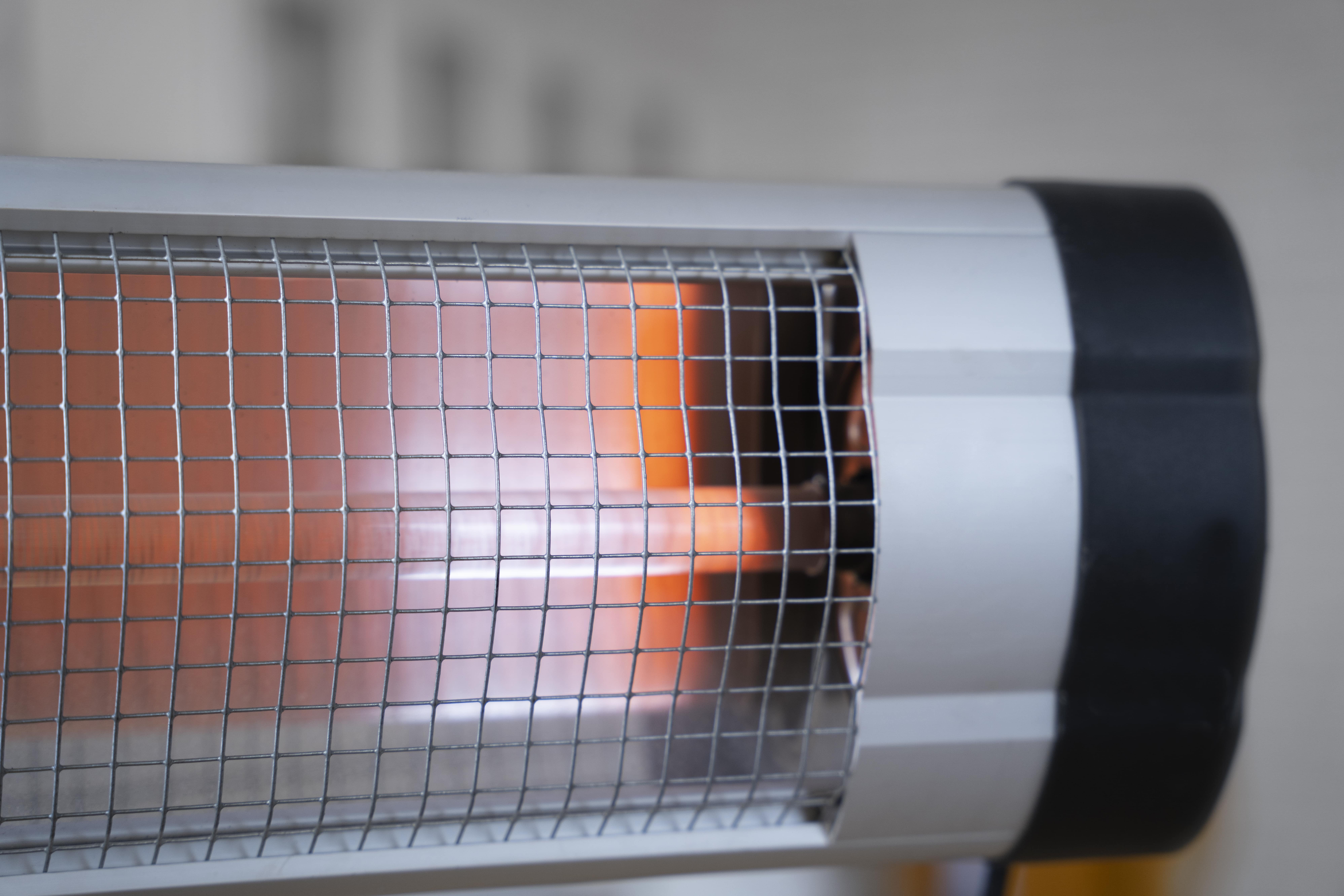
Heating Tune-up in La Habra Heights, CA
An annual heating tune-up is the most effective step you can take to keep your home comfortable, safe, and energy efficient during cooler months in La Habra Heights, CA. A professional seasonal tune-up identifies worn parts and safety risks before they cause a breakdown, improves system performance, and lowers operating costs. This page outlines what a comprehensive heating tune-up includes, the typical problems found in La Habra Heights homes, the concrete benefits you should expect, and the tune-up frequency and service options available.
Why a seasonal heating tune-up matters in La Habra Heights
La Habra Heights sits in the inland hills of Orange County where nights can get noticeably cool in fall and winter, and occasional cold snaps make heating reliability essential. Local factors that increase the importance of a tune-up include:
- Cooler overnight temperatures and valley breezes that demand more consistent heating performance.
- Dry conditions and seasonal Santa Ana winds that can increase dust, pollen, and debris inside ducts and filters.
- Regional wildfire smoke events that raise indoor air quality concerns and increase strain on filters and ventilation components.
- Older, hillside homes with longer duct runs or exposed equipment that can accelerate wear.
A pre-season tune-up helps ensure your system handles La Habra Heights temperature swings and reduces the chance of mid-winter failures when service availability is limited.
Common heating problems in La Habra Heights homes
- Clogged or dirty filters causing poor airflow and reduced efficiency.
- Thermostat inaccuracy that leads to uneven temperatures and short cycles.
- Dirty burners or flame sensors resulting in ignition or cycling problems.
- Worn blower motors or belts causing noise and reduced air delivery.
- Leaky or poorly insulated ducts leading to heat loss in attics or crawlspaces.
- Clogged condensate lines or restricted vents creating safety or performance issues.
- Carbon monoxide risks from cracked heat exchangers or improper venting on older furnaces.
- Reduced indoor air quality after wildfire smoke events due to saturated filters and uncleaned ducts.
Detailed heating tune-up checklist
A complete seasonal tune-up focuses on safety, efficiency, and reliability. Core inspection and maintenance items include:
- System start and operational check: Observe start-up behavior, ignition sequence, and cycling to confirm stable operation.
- Cleaning:
- Burners, flame sensor, and combustion chamber cleaning when applicable.
- Vacuum and wipe down blower compartment, motor, and accessible duct openings.
- Clear debris from outdoor units and intake areas.
- Filter inspection and replacement: Check filter type and condition; recommend and/or replace filters to restore proper airflow.
- Lubrication: Lubricate blower motor bearings and other moving parts that require it to reduce wear and noise.
- Safety checks:
- Inspect heat exchanger for cracks or corrosion.
- Test limit switches, pressure switches, and safety shutoffs.
- Check venting, flue connection, and draft to ensure combustion gases evacuate properly.
- Verify carbon monoxide safety with visual inspection and, when indicated, meter testing.
- Thermostat calibration and check: Confirm thermostat accuracy and program settings to match occupant comfort needs and reduce short cycling.
- Electrical inspection: Tighten connections, examine control board and capacitors, and test voltage and amperage on motors.
- Duct and airflow assessment: Measure airflow and static pressure when needed, inspect ducts for obvious leaks or disconnections.
- Combustion efficiency review: For gas systems, inspect flame pattern and, if required, perform a combustion test to confirm safe and efficient fuel use.
- Service report and recommendations: Provide a clear account of findings, required repairs, and recommended parts or upgrades.
What to expect during a tune-up
A standard tune-up visit typically follows these steps:
- Technician arrival and system history review to understand any recurring problems.
- Visual inspection of equipment, electrical connections, and venting.
- System clean, filter check, and lubrication of moving parts.
- Safety tests and operational run to evaluate performance under load.
- Thermostat calibration and airflow verification.
- Written summary of findings, any recommended repairs, and expected benefits from completed work.
Expect technicians to explain issues in plain language and document which items were inspected or serviced.
Benefits of regular heating tune-ups
- Improved efficiency and lower energy bills: Cleaner components and calibrated controls use less fuel or electricity.
- Greater reliability: Early detection of failing parts reduces the chance of unexpected breakdowns during cold nights.
- Extended equipment life: Routine maintenance slows wear on motors, burners, and other components.
- Better safety: Regular safety checks minimize carbon monoxide risks and ensure proper venting.
- Improved indoor air quality: Fresh filters and cleaned components reduce dust, allergens, and smoke residues entering living spaces.
- Compliance with warranties: Many manufacturers require periodic maintenance to keep warranty coverage valid.
Recommended frequency and service options
- Annual tune-up: Recommended for most systems, ideally scheduled in early fall before regular heating use.
- Biannual tune-up: Consider for older systems, homes with heavy particulate exposure (wildfire smoke or construction), or units that run almost year-round.
- One-time seasonal tune-up: A single thorough inspection and service for pre-winter preparation or when planning to sell a home.
- Recurring maintenance plan: Regularly scheduled visits that include seasonal checks, priority scheduling, and documented service history for peace of mind. Options can be tailored to system age, occupant needs, and local environmental conditions.
Practical maintenance tips for La Habra Heights homeowners
- Replace or check filters every 1 to 3 months during high-use periods or after wildfire smoke events.
- Keep outdoor equipment clear of leaves, dust, and debris, especially after windy periods.
- Maintain clear attic and crawlspace vents to prevent restricted airflow and moisture issues.
- Install and test carbon monoxide detectors on every level and near sleeping areas.
- Consider upgrading to a programmable or smart thermostat to better manage valley-night temperature swings and reduce energy use.
Regular heating tune-ups reduce surprises, improve comfort, and keep your home safer through La Habra Heights cooler months. Following a consistent maintenance schedule and addressing issues early will protect your investment and help your heating system perform reliably when you need it most.
Customer
Testimonials
Our customers consistently praise the exceptional service and professionalism of our team. They appreciate the honest advice, meticulous work, and the care taken to ensure their satisfaction.

.webp)
Service Areas
