

Heating Installation in La Habra Heights, CA

Heating installation in La Habra Heights, CA delivers a complete, locally tailored process for selecting and installing home heating systems. It includes pre-install assessments, Manual J load calculations, and ductwork evaluation, followed by guidance on equipment choices such as gas furnaces, heat pumps, and ductless mini-splits. The service covers permitting, code compliance, installation procedures, expected timelines, and post-install testing, including warranty coverage. Additionally, it highlights financing options, recommended maintenance, and long-term benefits for comfort, energy efficiency, indoor air quality, and overall home value in hillside California residences.
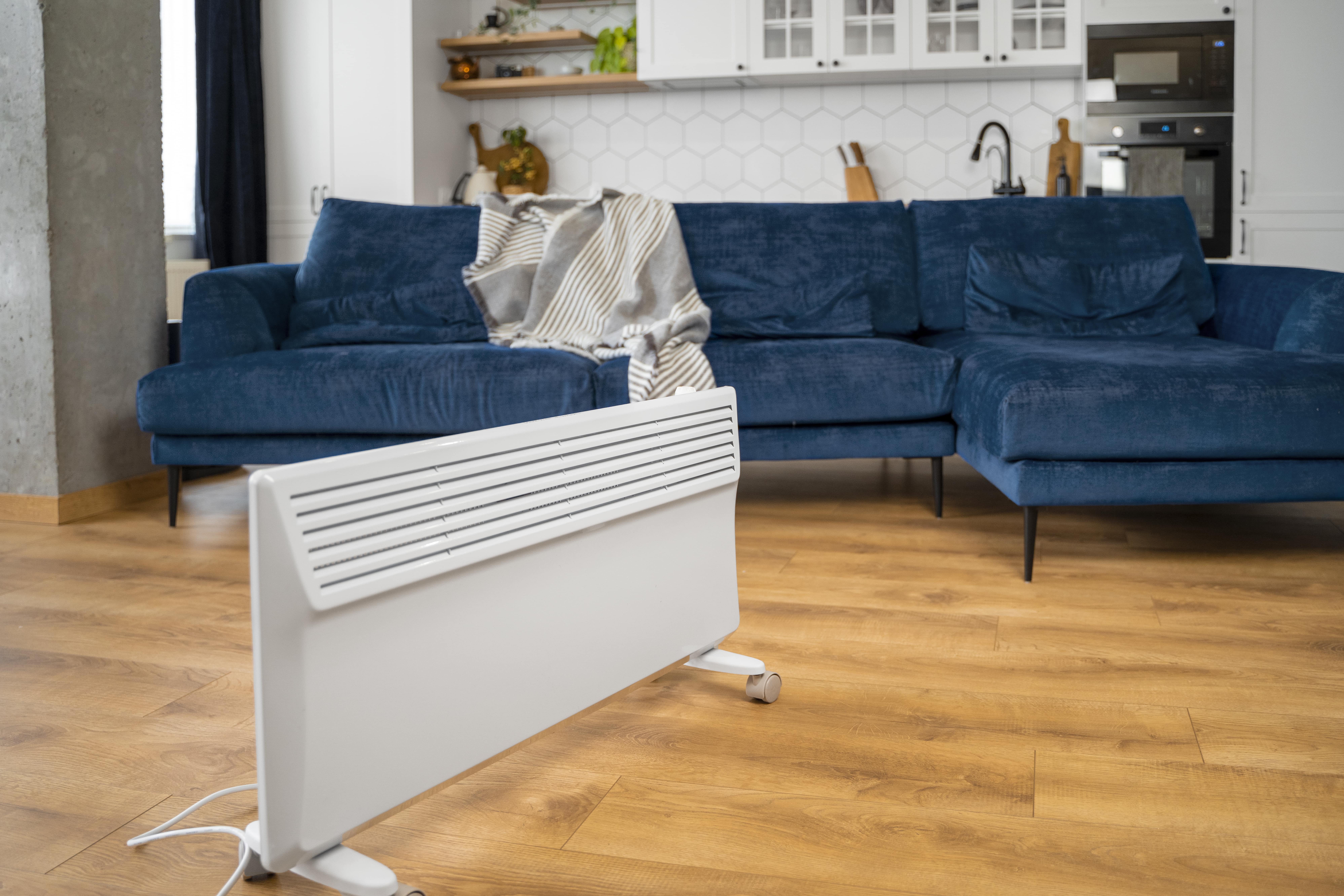
Heating Installation in La Habra Heights, CA
Upgrading or installing a new heating system in La Habra Heights, CA is a decision that affects comfort, energy bills, indoor air quality, and long term home value. Homes in La Habra Heights face unique conditions: higher elevation with cooler nights, well-insulated modern construction alongside older hillside properties, and seasonal air quality concerns. This guide explains the full heating installation process so you can make an informed choice: pre-install assessment and load calculations, equipment options (furnaces, heat pumps, ductless systems), permitting and code compliance, installation steps, expected timelines, post-install testing and warranties, and financing assistance.
Why professional heating installation matters in La Habra Heights
- Local climate: Mild Mediterranean climate with cool evenings means heat pumps are often the most efficient option, but some homes still require or prefer gas furnaces.
- Home types: Hillside and older homes may have unique ductwork, crawlspace, or attic challenges that affect system sizing and installation approach.
- Air quality: Wildfire smoke and seasonal particulate concerns make proper filtration and sealed systems important for indoor air quality.
- Code and safety: California energy rules and county building codes require specific permits and compliance steps that a professional installer handles.
Common heating needs and problems in La Habra Heights
- Inadequate heating in bedrooms or additions due to undersized or missing ductwork.
- High energy bills from older, inefficient systems.
- Uneven temperatures because of poor insulation or leaky ducts.
- Concerns about combustion safety and indoor air quality with older gas furnaces.
- Need for zoning or room-by-room control in multi-level or split-floorplan homes.
Pre-install assessment and load calculations
A reliable installation begins with a thorough pre-install assessment:
- Home survey: Inspect insulation levels, window types, orientation, attic and foundation access, existing ductwork condition, and any moisture or pest issues that affect framing or air sealing.
- Heat load calculation: Use Manual J or equivalent methodology to calculate accurate heating and cooling loads for each space. This prevents oversizing or undersizing equipment.
- Ductwork evaluation: Perform a duct leakage test if ducts exist. Measure supply and return locations and assess static pressure needs.
- Electrical and fuel check: Confirm available electrical service, breaker capacity, and gas line size if choosing a gas furnace.
Why this matters: Proper sizing and evaluation reduce energy waste, avoid short cycling, and increase system longevity.
Equipment selection: furnaces, heat pumps, and ductless options
Choose equipment based on the load calculation, home layout, fuel availability, and efficiency goals.
Furnaces
- Best for homes with existing efficient gas infrastructure or where very cold nights intermittently occur.
- Consider high-efficiency condensing furnaces that maximize energy use and reduce operating cost.
- Ensure sealed combustion and proper venting for safety.
Heat pumps
- Ideal for La Habra Heights: modern heat pumps deliver efficient heating and cooling in mild climates.
- Options include air-source and cold-climate heat pumps; they can provide significant energy savings versus older electric resistance or inefficient gas systems.
- Can be combined with existing ductwork or installed as a ductless system.
Ductless mini-splits
- Excellent for additions, retrofits, or rooms without ducts.
- Provide zoned control and high efficiency with minimal invasive work.
- Multiple indoor heads allow independent temperature control by room.
Related selection factors
- Efficiency ratings (AFUE for furnaces, HSPF/SEER for heat pumps).
- Noise levels, physical footprint, and aesthetics.
- Compatibility with smart thermostats and zoning.
Permitting and code compliance
Heating installations in La Habra Heights must comply with California energy codes and local county requirements:
- Building permits: Obtain permits from Los Angeles County building department or the appropriate local authority. Proper permits ensure inspections and code compliance.
- Title 24 energy requirements: New systems often must meet California Title 24 efficiency and performance standards, including duct sealing and insulation requirements for some installations.
- Safety and emissions: Gas equipment must be installed to venting and combustion safety standards; installers must follow manufacturer instructions and local regulations.
- Inspections: Expect rough-in and final inspections; documentation of load calculations and equipment specifications is commonly required.
A professional installer will prepare permit paperwork and coordinate inspections to avoid delays or rework.
Detailed installation steps
- Site preparation: Clear work area, protect floors and landscaping, and stage equipment.
- Remove old equipment: Safely disconnect and remove existing furnaces, heat pumps, or indoor units, including proper disposal per local regulations.
- Ductwork and structural modifications: Repair or install ducts, vents, and any necessary framing or openings. Add return pathways where needed.
- Install equipment: Mount outdoor units or set furnace in place, connect refrigerant lines or gas lines, and make required electrical connections.
- Insulation and sealing: Seal duct joints, insulate refrigerant lines, and ensure flue and combustion air paths are correct for gas systems.
- Controls and thermostats: Install programmable or smart thermostats and configure zoning controls if applicable.
- Start-up and commissioning: Charge refrigerant, purge lines, test gas pressure and venting, measure airflow, and calibrate controls.
Expected timelines
- Pre-install assessment and permit application: 1 to 7 days depending on scheduling and permit processing.
- Typical installation (replacement): 1 to 2 days for straightforward furnace or heat pump swaps with existing ducts.
- New installations or complex retrofits: 2 to 5 days when adding ductwork, electrical upgrades, or structural work.
- Final inspections and sign-off: Variable, often 1 to 7 days after inspection scheduling.
Timelines can vary with permit turnaround, material availability, and the complexity of site conditions common in hillside properties.
Post-install testing and warranties
After installation, thorough testing ensures safety and performance:
- Combustion and venting tests for fuel-fired appliances.
- Refrigerant charge and superheat/subcooling checks on heat pumps.
- Airflow measurement and static pressure checks for furnaces and forced air systems.
- Thermostat calibration and zone verification.
Warranties and documentation
- Manufacturer warranties cover major components; duration varies by model.
- Installation guarantees may cover workmanship and performance for a defined period.
- Keep documentation of load calculations, permits, commissioning reports, and warranty registration for future service or resale.
Financing assistance and incentives
Many homeowners use financing and incentives to manage upfront costs:
- Manufacturer financing or local lender options can provide predictable monthly payments.
- State and utility incentives or rebates for high-efficiency heat pumps and energy upgrades may be available in California; eligibility often requires specific equipment and certified installation.
- A professional can provide paperwork guidance for rebate applications and assist with energy efficiency program requirements.
Long-term benefits and maintenance tips
- Benefits: Lower operating costs with modern equipment, improved comfort and temperature consistency, better indoor air quality, and increased home value.
- Maintenance tips: Schedule annual professional tune-ups, change filters regularly, keep outdoor units clear of debris, and check vents and returns for obstructions.
- For wildfire seasons, consider upgrades to filtration and sealing to reduce smoke infiltration.
Heating Installation in La Habra Heights, CA is a technical process with long-term impact on comfort, efficiency, and safety. A careful assessment, correct equipment selection, compliance with local codes, and professional installation and testing ensure the system performs reliably for years while aligning with the local climate and home characteristics.
Customer
Testimonials
Our customers consistently praise the exceptional service and professionalism of our team. They appreciate the honest advice, meticulous work, and the care taken to ensure their satisfaction.

.webp)
Service Areas
