

Heating Replacement in La Habra Heights, CA

Heating replacement in La Habra Heights, CA offers an efficient, reliable solution when older systems fail or no longer perform optimally. This service details how to determine whether repair or replacement is best, reviews high-efficiency options such as air-source heat pumps, gas furnaces, ductless systems, and hybrid setups, and explains typical installation timelines. It also addresses equipment removal, disposal, warranties, and ongoing maintenance to protect your investment. Cost considerations, available incentives, and projected energy savings are highlighted, with a focus on proper on-site evaluations, accurate sizing, and ductwork improvements to ensure comfort and long-term efficiency. Homeowners can make informed, value-driven decisions for their homes.
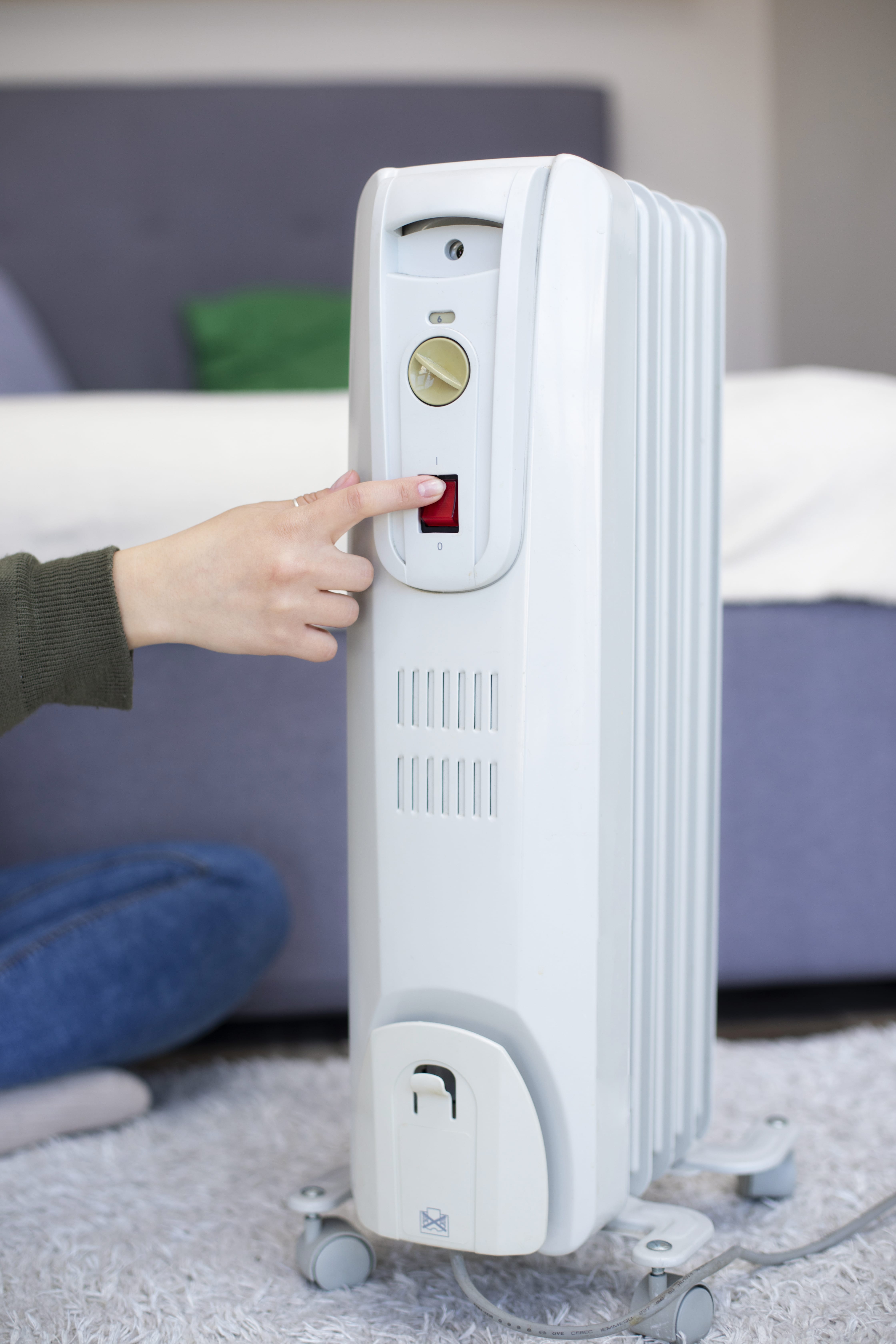
Heating Replacement in La Habra Heights, CA
A heating replacement in La Habra Heights, CA is a smart investment when your system is old, inefficient, failing frequently, or no longer keeping your home comfortable during cooler nights and winter spells. Homes in La Habra Heights face mild winters but meaningful temperature swings between daytime and nighttime, plus air quality concerns from seasonal Santa Ana winds and nearby wildfires. Replacing an outdated furnace or heat pump with a modern, high-efficiency system can improve comfort, reduce energy bills, and enhance indoor air quality while meeting local permitting and disposal rules.
Why consider heating replacement in La Habra Heights
- Aging equipment loses efficiency and increases repair frequency.
- Uneven heating, rising energy bills, and poor air filtration are common complaints in hillside homes with older duct systems.
- Modern heat pumps and high-AFUE furnaces perform well in California climates, delivering efficient heating plus cooling or hybrid operation.
- Local incentives, rebates, and federal tax credits can substantially lower upfront cost, making replacement more economical than repeated repairs.
Common heating problems that trigger replacement
- Intermittent operation or frequent short cycling
- Component failures (heat exchanger cracks, failed compressors, broken induction motors)
- Inefficient operation: equipment older than 15 years with AFUE below 80% or low SEER/HSPF ratings
- Uneven temperatures across rooms caused by undersized equipment or leaky/poorly designed ductwork
- Safety concerns such as persistent carbon monoxide alarms or visible corrosion on gas furnaces
Evaluation: Repair vs. Replacement
Deciding between repair or replacement depends on age, efficiency, repair history, and comfort goals. Use this guideline for homes in La Habra Heights:
- Repair when issues are isolated, the unit is under 10 years old, and expected repair cost is less than 20 percent of replacement.
- Replace when the system is over 10-15 years old, repairs are frequent, efficiency is low, or you plan to stay in the home long-term and want lower operating costs and improved comfort.
- Replace immediately if there are safety risks such as a cracked heat exchanger or persistent carbon monoxide problems.
A professional evaluation should include a load calculation (Manual J), system performance testing, duct leakage assessment, and inspection for safety and code compliance.
Recommended high-efficiency system options
- Air-source heat pumps (ducted or ductless mini-split): Best balance of efficiency and versatility for La Habra Heights. Modern cold-climate and multi-stage heat pumps deliver excellent heating and cooling with HSPF and SEER ratings that reduce annual energy use.
- High-efficiency gas furnaces (AFUE 95%+): Good option where natural gas is available and for homes with existing compatible ductwork.
- Hybrid systems (heat pump + gas furnace): Combine electric heat pump efficiency with gas furnace backup for the coldest nights, optimizing annual operating costs.
- Ductless mini-splits: Ideal for rooms without ducts or for zone-based upgrades to reduce duct losses and improve control.
- Whole-home ventilation and advanced filtration: Important in La Habra Heights to address particulate matter during wildfire season and improve indoor air quality.
Installation process and timeline
- Initial assessment and load calculation: 1 business day (in-person evaluation recommended)
- Final equipment selection, permitting, and scheduling: 3-7 business days depending on permit turnaround
- Typical installation for like-for-like replacement: 1-3 days
- Complex replacements (duct modifications, multi-zone mini-splits, hybrid systems): 3-7 days
- Final commissioning and homeowner walkthrough: same day as completion
Installations include system configuration, refrigerant charging or combustion testing, safety checks, duct balancing, and thermostat setup. Permits and inspections are handled per local code to ensure compliance.
Removal and disposal of old equipment
Old furnaces and heat pumps are removed, refrigerants recovered per EPA requirements, and metal and components recycled when possible. Disposal follows California regulations for hazardous materials. Proper removal reduces environmental impact and eliminates safety hazards like gas leaks or failing heat exchangers.
Cost estimates and what influences price
Costs vary with system type, home size, ductwork condition, and required modifications. Typical ranges for La Habra Heights homes:
- Ducted air-source heat pump replacement: $6,000 to $15,000
- Ductless mini-split per zone: $3,500 to $8,000 per zone
- High-efficiency gas furnace: $4,500 to $10,000 (including installation)
- Hybrid system: $8,000 to $18,000Factors that increase cost:
- Major ductwork repair or replacement
- Right-sizing and load calculation work
- Upgrading electrical service for modern heat pumps
- Access challenges common to hillside homes
These estimates are ballpark ranges; a site visit and load calculation produce an accurate, written estimate.
Energy savings projections
Upgrading from an older furnace or inefficient heat pump typically yields:
- 15 to 40 percent reduction in annual heating energy use for high-efficiency heat pumps versus older systems
- Up to 50 percent reduction in heating energy costs with a properly sized heat pump compared with a 15-year-old electric resistance or low-AFUE furnaceActual savings depend on system efficiency ratings, home insulation, thermostat behavior, and local energy rates. Improved duct sealing and programmable thermostats further amplify savings.
Rebates, financing, and incentives
Homeowners in La Habra Heights may qualify for a combination of:
- Federal tax credits for qualifying high-efficiency heat pumps and electrification measures
- State incentives under California energy programs for high-efficiency electric heating and heat pump adoption
- Local utility rebates or performance-based incentives for energy-efficient upgrades
- Financing options through HVAC lenders or energy-efficiency loan programs that spread cost over time
Eligibility varies by program, equipment efficiency, and installation requirements. Including high-efficiency equipment and verified installations often unlocks the best incentives.
Warranties, guarantees, and long-term value
- Manufacturer warranties commonly cover compressors and heat exchangers for 5 to 12 years; extended warranties are often available.
- Typical labor warranties range from 1 to 5 years depending on installer policies and package choices.
- Proper sizing, quality installation, and regular maintenance protect warranties and ensure long-term performance.Replacing an outdated system improves comfort, reduces operating cost, and increases home value—particularly in a market that values energy-efficient, low-maintenance homes.
Maintenance and longevity tips
- Schedule annual tune-ups before the heating season to maintain efficiency and catch issues early.
- Replace or clean filters regularly and consider upgraded filtration for wildfire smoke events.
- Seal and insulate ducts in unconditioned spaces to reduce losses common in older La Habra Heights homes.
- Use programmable or smart thermostats to optimize runtime and capture energy savings.
A heating replacement in La Habra Heights, CA provides durable comfort and measurable savings when chosen and installed with proper sizing, attention to ductwork, and consideration of local climate and air quality. A thorough on-site evaluation is the starting point for an efficient, code-compliant, and cost-effective replacement tailored to your home.
Customer
Testimonials
Our customers consistently praise the exceptional service and professionalism of our team. They appreciate the honest advice, meticulous work, and the care taken to ensure their satisfaction.

.webp)
Service Areas
