

Heating Repair in La Habra Heights, CA

Heating repair services in La Habra Heights, CA provide a clear, step-by-step approach to diagnosing and fixing common system issues. The service covers typical faults across furnaces, heat pumps, and ductless systems, including emergency response, parts replacement, and warranty coverage. Emphasis is placed on safety, CO testing, and considerations for local wildfire smoke exposure. Licensed technicians evaluate problems, recommend cost-effective solutions, and perform repairs to restore reliable home comfort. The process includes transparent pricing, service guarantees, and guidance for scheduling prompt, professional assistance.
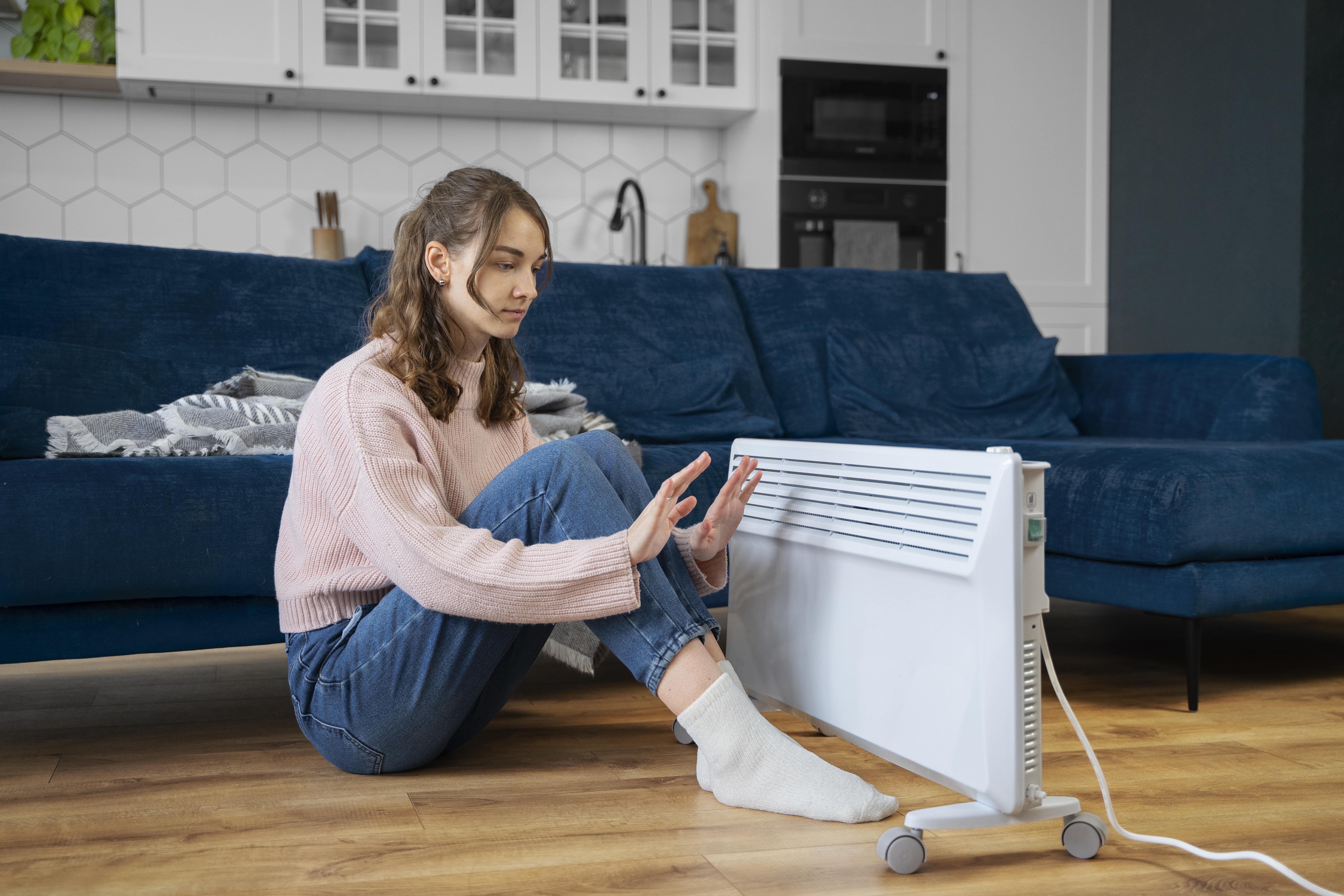
Heating Repair in La Habra Heights, CA
Keeping your heating system operating reliably is important even in La Habra Heights, where mild winters and cooling coastal nights can still bring cold evenings and temperature swings. Prompt, professional heating repair protects comfort, indoor air quality, and safety—especially in hilly, rural neighborhoods where older systems, attic ductwork, and wildfire smoke exposure can increase wear. This page explains common heating faults and symptoms, the step by step diagnostic and repair process, emergency response expectations, parts and warranty information, transparent pricing practices, and the certifications technicians use to do the job right.
Common heating system types in La Habra Heights
- Gas furnaces (natural gas or propane) – common for homes with existing gas service
- Heat pumps and packaged systems – efficient options that provide heating and cooling
- Ductless mini-splits – popular in retrofit and multi-zone installations
- Electric resistance heaters and baseboard units – found in some older or smaller properties
- Hybrid systems combining heat pump with furnace backup
Each system type has distinct failure modes. In La Habra Heights, outdoor equipment may face dust, pollen, and occasional smoke from regional wildfires, which increases filter and coil fouling.
Common heating problems and symptoms
- No heat at all or intermittent heating
- Short cycling (system turns on and off frequently)
- Uneven temperatures between rooms
- Unusual noises: banging, rattling, or squealing
- Strong or unusual odors when the system runs
- Thermostat unresponsiveness or incorrect temperature readings
- High utility bills or sudden spikes in energy use
- Pilot light or ignition failures on gas furnaces
- Outdoor unit frozen or heat pump not switching to heat mode
- Poor airflow or warm air at vents that is not hot enough
These symptoms point to a range of causes from simple filter blockage to electrical failures, gas valve issues, refrigerant leaks, or failing motors and heat exchangers.
Step-by-step diagnostic process
A careful diagnostic process identifies the root cause quickly and safely. Typical steps include:
- Initial system history and symptom interview to understand when and how the problem began.
- Safety checks for gas leaks and carbon monoxide risk before further work.
- Visual inspection of indoor and outdoor equipment for obvious damage, corrosion, or debris.
- Thermostat verification and wiring inspection to rule out control issues.
- Filter, vent, and duct inspection to assess airflow restrictions.
- Electrical testing of capacitors, motors, relays, and control boards.
- Combustion analysis for gas furnaces to confirm safe burner operation and heat exchanger integrity.
- Refrigerant pressure checks and leak detection for heat pumps and split systems.
- System performance testing under load to confirm symptoms and isolate failing components.
Diagnostics are documented and presented as an itemized assessment so repair options are clear.
Typical repairs and how they work
- Filter and airflow fixes: Replacing clogged filters, cleaning blower wheels, and clearing supply and return registers to restore airflow.
- Ignition and pilot repair: Replacing electronic ignitors or pilot assemblies and cleaning burner orifices for reliable furnace starts.
- Motor and capacitor replacement: Replacing failing fan motors or start capacitors that cause poor airflow or noisy operation.
- Control board and sensor replacement: Addressing faulty thermostats, limit switches, flame sensors, or control boards that interrupt normal cycles.
- Heat exchanger evaluation: If a heat exchanger is cracked, the only safe remedy is replacement of the heat exchanger or the furnace due to carbon monoxide risk.
- Refrigerant leak repair and compressor service: Locating and repairing leaks, evacuating moisture, and recharging refrigerant or replacing failed compressors in heat pump systems.
- Duct sealing and insulation: Repairing leaks, adding insulation, and rebalancing ducts to eliminate cold spots and energy waste.
- Condensate and drain handling: Clearing blocked drains or replacing failed condensate pumps that can cause shutdowns and water damage.
For each repair the diagnostic findings determine whether parts can be repaired or must be replaced, and whether a system rehabilitation or replacement is the most cost-effective solution.
Emergency response and timing
- Urgent issues such as complete heat loss during a cold night, suspected gas leaks, or carbon monoxide alarms are prioritized. Expect same day emergency assessment in most cases, with repairs scheduled based on parts availability and site access.
- Non-emergency repairs are typically scheduled within a few business days, with technicians providing arrival windows and upfront explanations of expected timing.
- In La Habra Heights, terrain and access constraints can slightly affect travel and response windows. Technicians account for property drives, gates, and narrow roads when planning visits.
Parts, warranty, and transparent pricing expectations
- Repairs use a mix of OEM manufacturer parts and high-quality aftermarket components where appropriate. Technicians will note brand and origin when presenting estimates.
- Parts carry manufacturer warranties; labor warranties vary by provider. Typical practice is to combine manufacturer parts coverage with an installation labor warranty to protect against premature failures.
- Pricing is presented transparently: diagnostics are documented, repair options are itemized, and estimates distinguish parts, labor, and any necessary permits. Customers are informed about flat rate versus hourly repair choices when applicable and whether a full system replacement or repair is recommended based on lifecycle and cost-effectiveness.
Technician qualifications and safety standards
- Technicians working on heating systems in California typically hold relevant certifications such as EPA 608 for refrigerant handling, NATE certification for system knowledge, and training on manufacturer-specific equipment.
- Contractors and service providers follow state and local licensing requirements for HVAC and gas work and are insured and bonded to perform installations and repairs safely.
- Technicians perform carbon monoxide testing, gas leak detection, and adhere to local codes for combustion safety and venting. They also follow industry best practices for containment and cleanup when working in homes affected by wildfire smoke.
Why timely repair matters in La Habra Heights and maintenance tips
Timely repairs restore comfort, prevent escalation to more expensive failures, reduce energy waste, and ensure safety from gas and CO hazards. In hilly, rural La Habra Heights homes, maintaining clean filters, protecting outdoor units from debris and smoke, insulating attic ducts, and scheduling seasonal inspections for heat pumps or furnaces can significantly extend equipment life and reliability.
Maintenance checklist:
- Replace or clean filters regularly, especially during wildfire season
- Keep outdoor units clear of leaves, dust, and vegetation
- Verify thermostat settings and battery-powered devices before cold snaps
- Schedule annual heating system tune ups to check combustion, refrigerant, and airflow
Putting a system on a regular maintenance schedule and addressing symptoms early helps avoid emergency breakdowns and keeps your home comfortable through cooler nights and seasonal swings.
Customer
Testimonials
Our customers consistently praise the exceptional service and professionalism of our team. They appreciate the honest advice, meticulous work, and the care taken to ensure their satisfaction.

.webp)
Service Areas
