

Heating Tune-up in Chino Hills, CA

Chino Hills heating tune-ups provide safe, efficient operation by inspecting, calibrating, and testing every major component of residential systems. A typical service includes filter checks, burner and heat-exchanger inspection, thermostat calibration, safety tests, lubrication, and airflow balancing, followed by documentation with recommendations. Regular maintenance improves safety, lowers energy use, enhances reliability, and extends equipment life, while options like annual or seasonal plans tailor visits to local dust, wildfire season, and system age. This page outlines the process, benefits, and maintenance options.
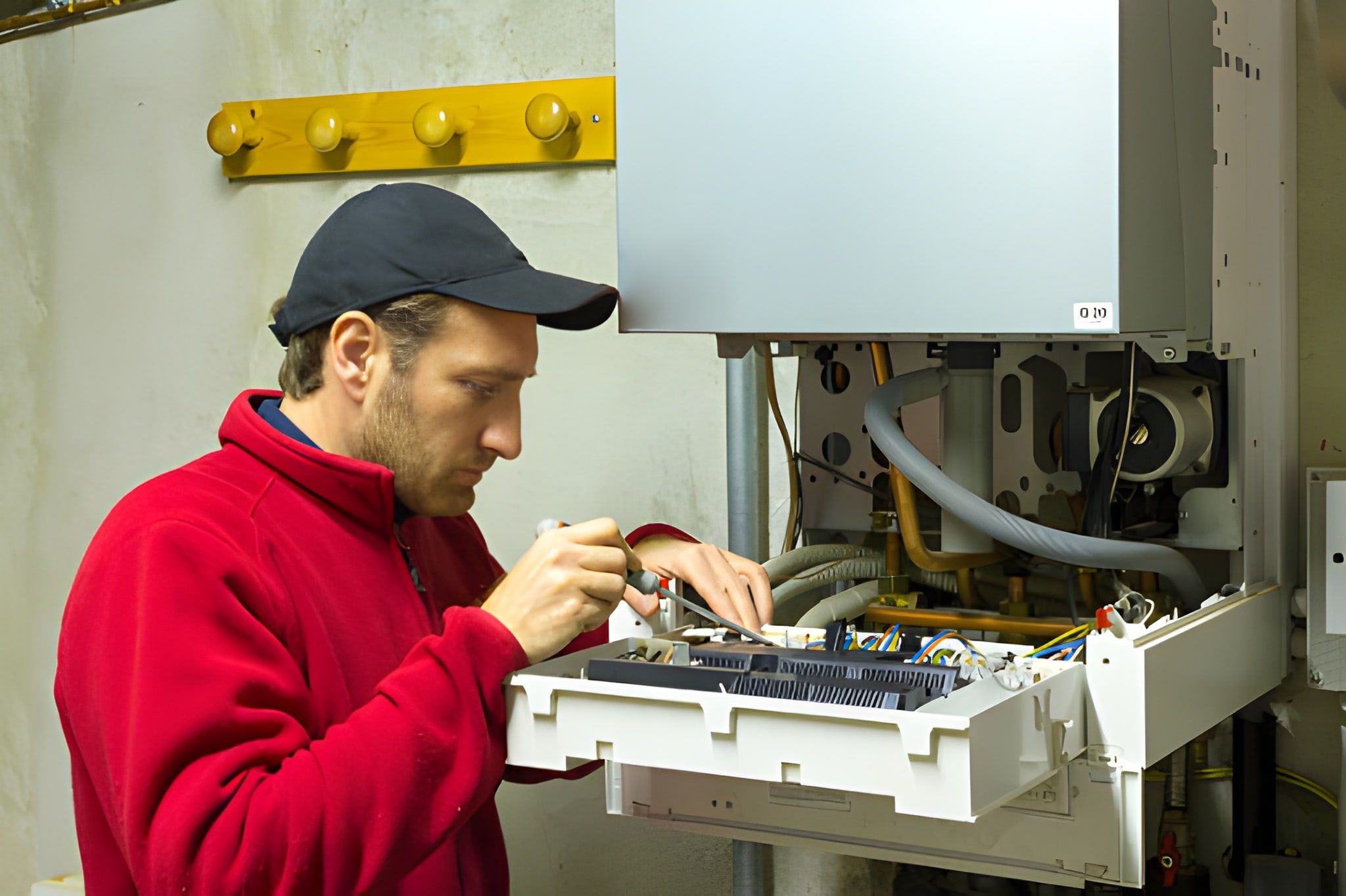
Heating Tune-up in Chino Hills, CA
Keeping your heating system running safely and efficiently is important even in Chino Hills, CA, where winters are milder than other parts of the country. A professional heating tune-up in Chino Hills, CA reduces the risk of mid-season breakdowns during cold snaps, improves comfort when temperatures dip, and helps control energy use in homes that lean on forced-air systems or heat pumps. This page outlines what a seasonal heating tune-up includes, common issues seen in local homes, the diagnostic and service process, and the maintenance-plan options that fit area needs.
Why a heating tune-up matters in Chino Hills homes
- Southern California’s inland valleys generate more dust and pollen than coastal areas, which clogs filters and reduces airflow.
- Wildfire smoke and increased local construction can accelerate filter and duct contamination, affecting performance and indoor air quality.
- Many homes in the area rely on systems sized for occasional heating; lack of regular servicing increases the chance of poor combustion, inefficient operation, and safety risks during those infrequent cold periods.
- Routine tune-ups extend equipment life, improve comfort on cold nights, and identify small issues before they become costly failures.
Common heating problems in Chino Hills
- Reduced airflow and weak heat output due to dirty filters or restricted ducts.
- Uneven heating between rooms, often from thermostat or zoning issues.
- Pilot light or ignition failures in gas furnaces after long idle periods.
- Noisy startup or cycling caused by worn bearings or insufficient lubrication.
- Elevated energy bills linked to inefficient operation or uncalibrated thermostats.
- Potential carbon monoxide risk from cracked heat exchangers or incomplete combustion in older units.
Heating tune-up checklist
A complete tune-up follows a systematic inspection and service checklist to ensure safety, efficiency, and reliability. Typical items include:
- Filter replacement or inspection: Replace disposable filters or verify washable filters are clean. Recommend filter type and MERV level appropriate for local air quality.
- Burner and heat-exchanger inspection: Check burners for proper flame pattern and clean combustion surfaces; visually inspect the heat exchanger for cracks or corrosion that could lead to safety hazards.
- Thermostat calibration and control checks: Verify thermostat accuracy, setpoints, and communication with the system to correct uneven temperatures or short cycling.
- Safety and carbon-monoxide checks: Test safety controls, limit switches, and perform carbon-monoxide testing at the furnace intake and exhaust when applicable to ensure safe operation.
- Ignition system and pilot inspection: Clean and test electronic ignitors or pilot assemblies for reliable starts.
- Lubrication of moving parts: Lubricate fan motors and bearings where applicable to reduce noise and wear.
- Electrical connection tightening and component check: Inspect wiring, relays, fuses, and capacitors for signs of wear and proper operation.
- Blower motor and airflow balance: Measure airflow and inspect the blower assembly for dirt buildup that reduces efficiency.
- Duct and vent visual inspection: Look for disconnected ducts, blocked vents, or leaks that affect distribution and indoor air quality.
- System optimization and efficiency checks: Adjust gas pressure or system controls, test system cycling, and verify overall performance against manufacturer specifications.
- Documentation and recommendations: Provide a written summary of findings, repair recommendations, and any parts that may soon need replacement.
What the diagnostic process looks like
During a tune-up, a trained technician will start with a visual inspection and homeowner interview about any performance issues. They will then:
- Power down the system and inspect filters, vents, and accessible components.
- Restore power and observe start-up behavior, ignition, and flame quality.
- Test temperature rise across the heat exchanger and confirm adequate airflow.
- Run safety and carbon-monoxide checks while the system is operating.
- Make minor adjustments, clean components, and replace filters as needed.
- Provide a clear summary of findings and recommendations for repairs or upgrades.
Most residential tune-ups take about 45 to 90 minutes depending on system condition and whether minor repairs are performed during the visit.
Repairs and solutions commonly performed after tune-ups
When a tune-up identifies issues, common solutions include:
- Replacing clogged filters and recommending higher-efficiency options for wildfire or dust-prone periods.
- Cleaning or replacing burners and adjusting fuel/air mixes to restore efficient combustion.
- Replacing worn belts, bearings, or capacitors to eliminate noise and prevent motor failure.
- Sealing duct leaks or recommending focused duct cleaning for very dusty systems.
- Replacing failing thermostats or recalibrating smart thermostats for better control and scheduling.
- Annual Basic Plan: One comprehensive heating tune-up per year plus priority scheduling and seasonal check reminders.
- Seasonal Dual-Check Plan: Two inspections per year—one for heating and one for cooling—to optimize both sides of the HVAC system and address seasonal air quality issues.
- Comprehensive Comfort Plan: Annual tune-ups, filter delivery or replacement service, extended diagnostic support, and discounts on repairs or parts when service is needed.
Each plan can be adjusted to fit the unique needs of Chino Hills homes—accounting for local dust levels, wildfire season impacts, and system age—so the maintenance cadence matches actual usage and environmental challenges.
Final notes and maintenance tips
- Replace filters more frequently during fall-winter if you notice increased dust, smoke, or allergy symptoms.
- Keep return vents and outdoor intake screens clear of debris and vegetation.
- If your home uses gas heating, have carbon-monoxide detectors installed and tested regularly.
- Track the system’s service history and any recurring issues; consistent documentation helps diagnose chronic problems faster.
Regular heating tune-ups in Chino Hills, CA protect comfort and safety while helping systems run efficiently when you need them most.
Customer
Testimonials
Our customers consistently praise the exceptional service and professionalism of our team. They appreciate the honest advice, meticulous work, and the care taken to ensure their satisfaction.

.webp)
Service Areas
