

Heating Replacement in Chino Hills, CA

For Chino Hills, CA homeowners, navigating a heating replacement means knowing when to upgrade your furnace or heat pump. Plum HVAC professionals are experts at evaluating existing systems and recommending high-efficiency options that perfectly suit our local climate. Our comprehensive process includes precise load calculations, thorough duct inspections, essential safety checks, and ensuring smart controls compatibility. Following this, we manage the seamless removal of your old system, install new equipment with precision, conduct rigorous testing, and provide a detailed homeowner walkthrough. We'll openly discuss cost drivers, financing options, expected energy savings, warranty coverage, and crucial maintenance steps to maximize your long-term comfort and value. Plum HVAC ensures you choose reliable equipment and experience a smooth, worry-free transition.
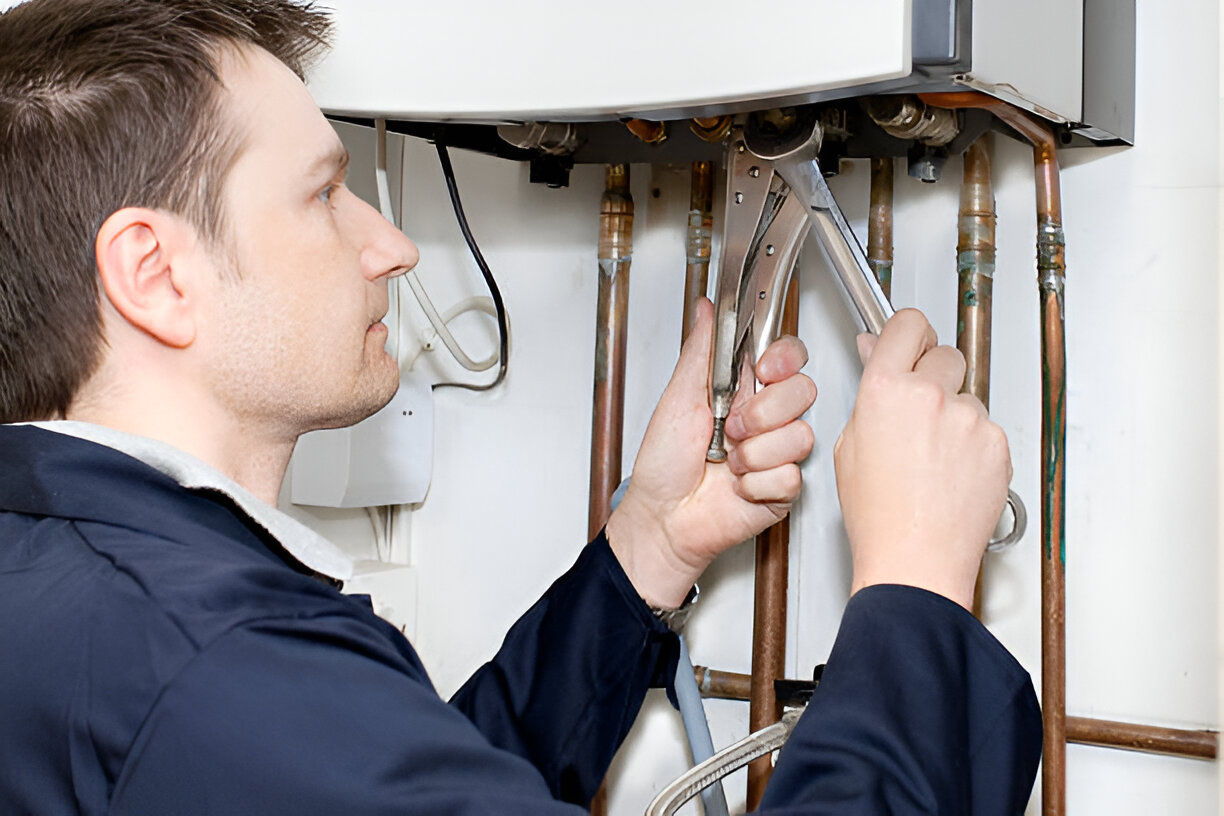
Heating Replacement in Chino Hills, CA
Replacing your home heating system in Chino Hills, CA is a decision that affects comfort, indoor air quality, monthly energy bills, and the resale value of your home. With warm summers and cool, occasionally chilly winters, many local homes benefit from high-efficiency heating systems that run efficiently through mild winters while pairing well with existing cooling equipment. This page explains when a full heating replacement is appropriate, how systems are evaluated, which high-efficiency options make sense in Chino Hills, the replacement process and timeline, disposal practices, cost drivers and financing options, expected energy savings, and warranty considerations.
When to consider a full heating replacement
Look beyond occasional repairs. Consider replacement when you notice multiple of the following signs:
- Age and frequent breakdowns: Systems older than 12–15 years, or that require frequent repairs, often cost more to keep running than replacing.
- Rising energy bills despite regular maintenance.
- Uneven heating or persistent cold spots in multiple rooms.
- Strange noises or smells that troubleshooting and repairs do not resolve.
- Degraded indoor air quality—excess dust, humidity issues, or repeated filter clogging.
- Compatibility issues with modern thermostats or ductless options if upgrading comfort controls or adding zoning.
In Chino Hills homes, where winter heating runs are intermittent but central to nighttime comfort, the decision often considers seasonal use patterns and how well the system integrates with the cooling system used during long summers.
Evaluation and professional recommendation process
A responsible replacement starts with a thorough evaluation:
- Load calculation (Manual J) to determine the correct heating capacity for your home based on insulation, orientation, window types, and local climate.
- Ductwork inspection for leaks, poor insulation, or undersized runs that undermine new equipment efficiency.
- Combustion safety check for gas systems, including venting and heat exchanger condition.
- Thermostat and controls review, including compatibility with smart or zoning controls.
- Assessment of ventilation and indoor air quality needs.
After the inspection, you’ll receive tailored recommendations that compare system types, efficiency ratings, expected performance in Chino Hills’ climate, and the likely impact on comfort and operating costs.
High-efficiency model comparisons
Common high-efficiency heating options for Chino Hills homes include:
- High-efficiency gas furnaces (high AFUE)
- Best for homes with existing natural gas infrastructure.
- Modern condensing furnaces recover more heat and can achieve much higher AFUE ratings than older models.
- Good choice where winters are cool and fast recovery heat is prioritized.
- Electric heat pumps (high HSPF / cold-climate models)
- Extremely efficient in mild Southern California winters and can also provide cooling, simplifying HVAC systems.
- Variable-speed inverter-driven heat pumps provide the best comfort and efficiency by modulating output.
- Excellent option if transitioning away from fossil fuels or pairing with rooftop solar.
- Hybrid systems (dual fuel)
- Combine a heat pump with a gas furnace for optimal efficiency across temperature ranges.
- Useful in homes that experience occasional cold snaps but mostly mild weather.
- Zoned systems and variable-speed blowers
- Zoning improves comfort and reduces wasted heating in unused spaces.
- Variable-speed blowers and ECM motors reduce energy use and improve humidity control.
Key efficiency metrics to compare: AFUE for furnaces, HSPF and SEER for heat pumps, and communication capability for smart thermostats. In Chino Hills, heat pumps often provide the best year-round efficiency due to the moderate winter climate, but individual home characteristics will determine the best choice.
Removal, disposal, and code compliance
A professional replacement includes safe removal and responsible disposal or recycling of old equipment:
- Proper disconnection of gas, electrical, and refrigerant lines.
- Safe handling of refrigerants per federal and state regulations.
- Recycling metal components and disposing of non-recyclables in accordance with local waste rules.
- Obtaining required permits and ensuring the new installation meets California building codes and local Chino Hills or San Bernardino County requirements.
Replacement process and typical timeline
Most full heating replacements follow a predictable sequence:
- Initial inspection and quote — site assessment and recommendations.
- System selection and permit application — selecting model, controls, and applying for permits.
- Equipment ordering — lead times vary by model and manufacturer.
- Removal of old system and preparation — duct sealing or minor upgrades if required.
- Installation — mounting, connections, and control integration.
- Testing, balancing, and commissioning — verifying safe operation and correct airflow.
- Homeowner walkthrough and documentation — explanation of operation and warranty registration.
Timeline varies with system complexity and permitting, typically from a single day for straightforward replacements to several days for larger systems, ductwork modifications, or hybrid installations.
Cost drivers and financing (what affects the investment)
Replacement cost depends on multiple factors:
- System type (furnace, heat pump, hybrid) and efficiency rating.
- Home size and required capacity from the load calculation.
- Condition and layout of existing ductwork; extensive duct repair or replacement adds to scope.
- Choice of controls and zoning.
- Structural modifications or upgrades needed for safe venting or electrical service.
Financing options are commonly available through lenders and manufacturer programs to spread project cost over time, and many homeowners pursue energy-efficiency incentives or local utility programs where applicable.
Expected energy savings and performance
Upgrading to a high-efficiency system can significantly reduce heating energy use and improve comfort:
- Replacing an old furnace or heat pump with a modern high-efficiency unit typically yields substantial reductions in heating energy use—often in the range of tens of percent depending on the starting point and system type.
- Heat pumps paired with efficient controls can reduce combined heating and cooling costs in Chino Hills by delivering year-round efficiency and eliminating the need for separate systems in some homes.
- Properly sealed and insulated ductwork combined with variable-speed equipment improves temperature consistency and lowers operating costs further.
Realized savings depend on homeowner habits, thermostat settings, and whether complementary upgrades (insulation, air sealing) are completed.
Warranty and long-term protection
Warranty coverage typically includes:
- Manufacturer parts warranty: often 5–10 years or longer for high-efficiency models.
- Labor warranty: provided by the installer for workmanship, varying by company.
- Extended or registered warranties: many manufacturers extend coverage if the product is registered after installation.
Confirm warranty specifics in writing, including what actions (like routine maintenance) are required to keep warranties valid. Routine annual maintenance extends equipment life and preserves warranty rights.
Maintenance and long-term value
After replacement, regular maintenance ensures peak performance:
- Annual tune-ups and safety inspections.
- Seasonal filter replacement and checks on condensate drains and refrigerant levels.
- Periodic duct checks and thermostat calibration.
A properly chosen and installed system tailored to Chino Hills conditions delivers consistent comfort, improved indoor air quality, and long-term energy savings—making replacement a sound investment when your current system is underperforming or unreliable.
Customer
Testimonials
Our customers consistently praise the exceptional service and professionalism of our team. They appreciate the honest advice, meticulous work, and the care taken to ensure their satisfaction.

.webp)
Service Areas
