

Heating Maintenance in Chino Hills, CA

Chino Hills heating maintenance programs provide preventive care tailored to local climates, offering scheduled inspections, priority service, and transparent records for furnaces, heat pumps, and hybrid systems. The plans cover routine tests, filter checks, safety and efficiency evaluations, and clear guidance on when repairs are needed. Enrollment is simple, with annual or biannual visits and digital service histories. Regular tuneups extend equipment life, improve energy efficiency, reduce emergency repairs, and help homeowners maintain comfort throughout the year.
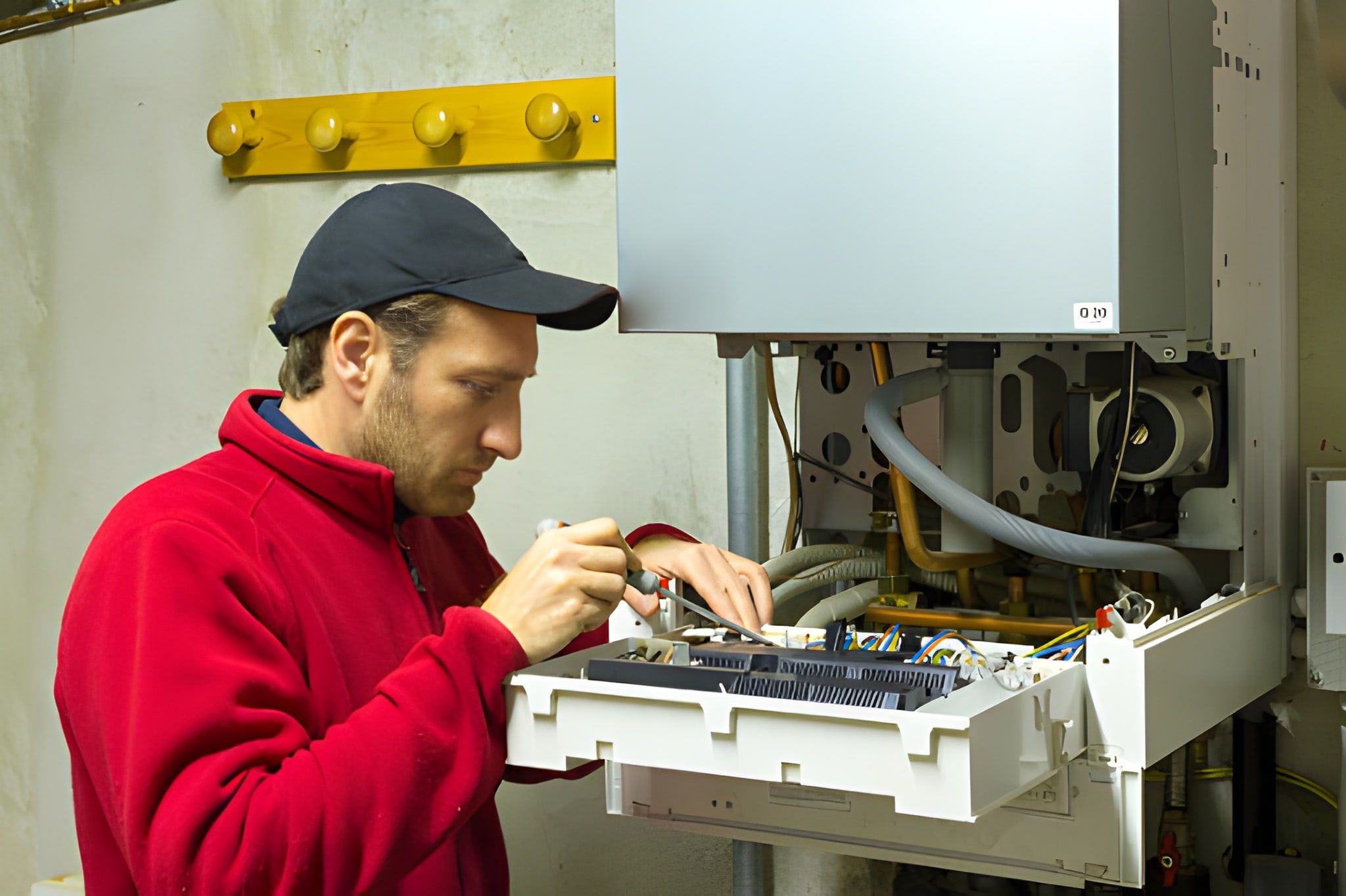
Heating Maintenance in Chino Hills, CA
Keeping your heating system running reliably in Chino Hills, CA requires a preventive approach tailored to local climate and air-quality patterns. Heating maintenance plans focus on scheduled inspections, priority service during peak cold snaps, detailed checklists for each visit, and clear coverage of parts and labor. Regular care reduces breakdown risk, improves efficiency, and helps you get the full expected lifespan from furnaces, heat pumps, or hybrid systems common in Inland Valley homes.
Why heating maintenance matters in Chino Hills, CA
Chino Hills experiences mild but sometimes chilly winters, cool mornings, and seasonal dust and smoke from regional wildfires. Those conditions place specific stresses on heating systems:
- Frequent on/off cycles during shoulder seasons increase wear on ignition components and motors.
- Elevated dust and particulates clog filters and heat exchanger surfaces, reducing efficiency and elevating fire risk.
- Occasional poor air quality events mean systems run longer to maintain indoor comfort, stressing fans and controls.
A proactive maintenance plan reduces emergency repairs during cold mornings and helps keep indoor air healthier by prioritizing filtration and ventilation checks.
Typical heating maintenance plans and what they cover
Heating maintenance plans in Chino Hills are designed for convenience and predictable performance. Common features include:
- Scheduled inspections (typically once or twice per year)
- Priority scheduling during peak months and service calls
- Detailed written inspection reports and digital service history
- Basic parts and labor included for routine items
- Seasonal filter checks and recommendations for higher-grade filtration when needed
- Safety and efficiency testing with clear notes on warranted repairs
Plans may be structured as single annual tuneups or biannual visits timed for pre-winter and spring checks. Heat pump systems often receive a separate summer check focused on cooling components and refrigerant performance.
Detailed checklist: what technicians inspect and adjust
A comprehensive visit addresses safety, performance, and efficiency. Typical maintenance checklists include:
- Visual inspection of the unit and surrounding area for debris, rodent signs, or vent obstructions
- Filter inspection and replacement or recommendation for MERV upgrades if indoor air quality needs improvement
- Thermostat calibration and programming verification
- Electrical connections check and tightening to prevent shorts and motor damage
- Blower assembly inspection, cleaning, and lubrication where applicable
- Motor and belt condition checks and adjustments
- Combustion safety checks (for gas furnaces): burner operation, pilot/ignition system, and heat exchanger inspection for cracks or corrosion
- Gas line and pressure check for safe operation
- Heat pump specific: refrigerant level and leak check, reversing valve operation, defrost cycle check, and outdoor coil cleaning
- Venting and flue inspection for blockages, corrosion, or improper termination
- Condensate drain and pan inspection to prevent water damage and microbial growth
- System performance test: airflow, temperature rise/drop measurements, and overall efficiency assessment
- Written report with recommended repairs, parts status, and estimated remaining life indicators
Each visit results in a checklist and recommendations so you can see exactly what was done and what might need attention in the future.
Parts and labor inclusions
Maintenance plans typically include labor and common consumables related to routine care. Commonly covered items are:
- Standard air filter replacements (frequency depends on plan)
- Minor adjustments and calibrations
- Lubrication of moving parts where required
- Tightening or replacement of easily accessible fasteners and belts
- Basic safety sensor and control adjustments
Major component replacement (heat exchangers, compressors, control boards) is usually handled as a repair with an estimate provided before work begins. Plans that include more extensive parts coverage will specify exactly which components fall under the agreement.
Record-keeping and service history
Good maintenance programs provide transparent, accessible records:
- Digital service logs documenting inspections, parts used, and performance metrics
- Timestamped history of repairs and recommended timelines for future replacements
- Efficiency baselines (pre- and post-maintenance) to track energy savings
- Documentation useful for home resale or warranty claims
Keeping accurate records helps predict end-of-life timing and supports smarter replacement decisions when the time comes.
Expected lifespan and efficiency benefits
Routine maintenance can meaningfully extend equipment life and maintain efficiency:
- Typical lifespan improvements: preventive maintenance commonly adds 2 to 5 years of useful life for furnaces and heat pumps by reducing stress on key components.
- Efficiency retention: properly maintained systems operate within original efficiency ranges. Energy consumption reductions of 5 to 15 percent are common after a professional tuneup, depending on previous neglect and filter condition.
- Reliability gains: fewer unexpected failures and lower odds of mid-winter emergency service.
Those benefits are particularly relevant in Chino Hills where seasonal use patterns and dust exposure can otherwise accelerate wear.
Cost savings from preventive care
Preventive maintenance lowers total ownership costs through several channels:
- Fewer emergency repairs, which typically cost more than planned visits
- Improved fuel or electricity efficiency, translating to lower monthly bills
- Extended equipment life, delaying the cost of full system replacement
- Early detection of minor issues before they become costly failures
A documented maintenance history also preserves resale value by verifying responsible care.
How enrollment and scheduling typically work
Enrolling in a heating maintenance plan is a straightforward process designed for long-term convenience:
- Select the plan that matches your system type and preferred visit frequency (single annual, biannual, heat pump-specific, etc.).
- Provide system details: make, model, age, and any existing warranty information to establish a baseline record.
- Receive a written service agreement outlining scheduled inspection dates, coverage specifics for parts and labor, and priority service terms.
- Initial inspection and baseline tuneup are scheduled and performed; results are entered into a digital service history.
- Ongoing reminders are issued before each scheduled visit, and priority scheduling is available during peak cold periods.
Enrollment puts a clear maintenance cadence in place and ensures your Chino Hills home heating system is documented, tested, and cared for on a predictable timetable.
Customer
Testimonials
Our customers consistently praise the exceptional service and professionalism of our team. They appreciate the honest advice, meticulous work, and the care taken to ensure their satisfaction.

.webp)
Service Areas
