

Heating Service in Chino Hills, CA

Chino Hills homeowners can rely on Plum HVAC for comprehensive heating service, covering diagnostics, repair, installation, and ongoing maintenance. Our service at Plum HVAC emphasizes safe operation, comfort, and energy-efficient upgrades for furnaces, air-source heat pumps, ductless mini-splits, and hybrids. We perform a structured assessment to identify root causes, offering clear options to repair, replace, or install new equipment based on age, performance, and cost. Our program includes warranties, financing, and a routine maintenance checklist to prevent breakdowns and preserve system reliability year-round.
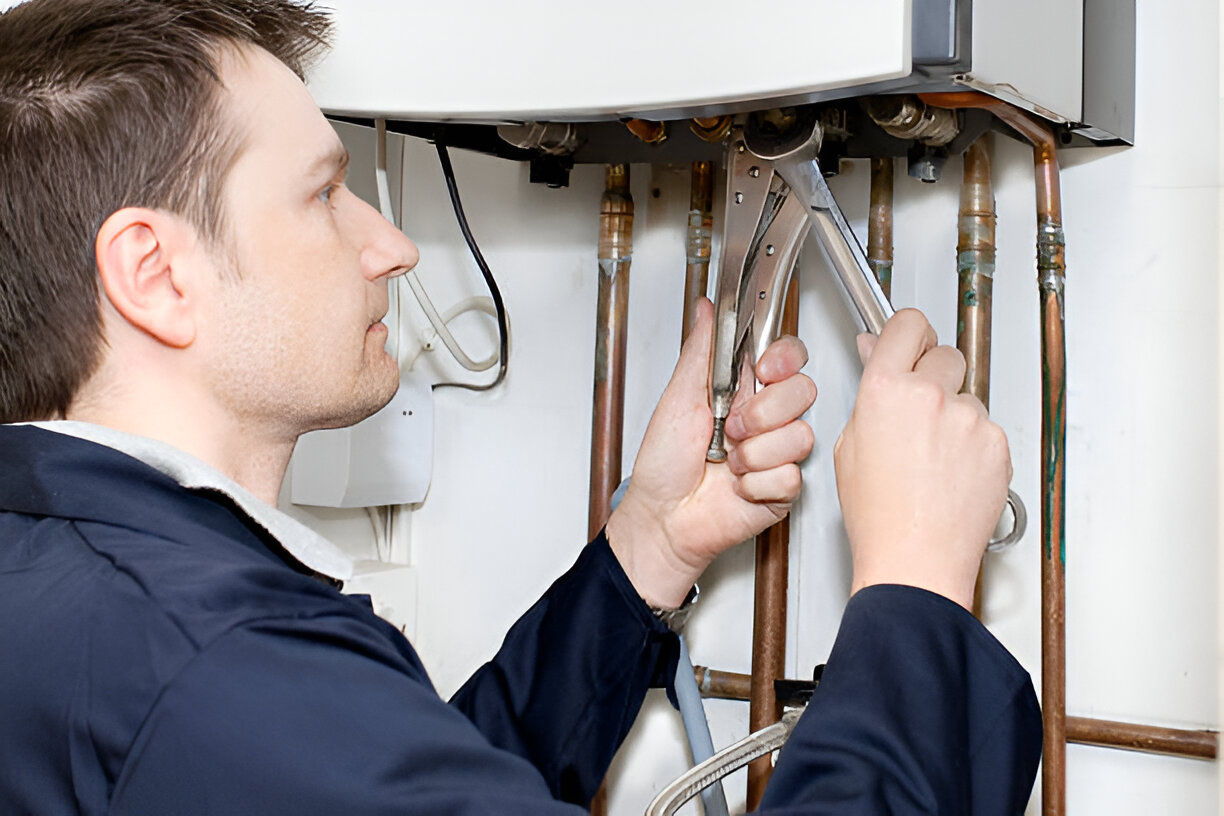
Heating Service in Chino Hills, CA
An efficient, reliable heating system matters even in Chino Hills, where mild winters and cool evenings can still make indoor comfort a priority. Whether your home uses a furnace, heat pump, or ductless mini‑split, specialized heating service in Chino Hills, CA ensures safe operation, steady indoor temperatures, and energy-efficient performance through diagnostics, repairs, installations, replacements, and routine maintenance.
Why focused heating service matters in Chino Hills
Chino Hills sees hot, dry summers and mild, sometimes cool winters. That means heating systems often work intermittently but must respond quickly to nighttime temperature drops. Local factors that influence heating needs:
- Predominant cooling-first sizing in many homes can cause undersized heating during cold snaps.
- Dust and pollen in the region contribute to clogged filters and reduced airflow.
- Older equipment may have been optimized for cooling and suffer from winter efficiency losses.Targeted heating service addresses these regional realities to maintain comfort and reduce energy waste.
Common heating systems we service
- Furnaces (natural gas, propane, electric)
- Air‑source heat pumps (standard and high‑efficiency models)
- Ductless mini‑split systems (ideal for additions, retrofits, and zoned comfort)
- Hybrid systems that pair heat pumps with furnaces for efficiency across seasons
Common heating problems in Chino Hills homes
- No heat or intermittent heat
- Uneven temperatures between rooms or floors
- Short cycling (system turns on and off frequently)
- Unusually high energy bills during cooler months
- Strange noises (rattling, banging, high‑pitched squeal)
- Persistent odors (gas, burning dust)
- Poor airflow or cold spots due to clogged filters or leaky ducts
- Heat pump issues: frozen coils, reversing valve failures, or low refrigerant
- Furnace issues: ignition/pilot problems, cracked heat exchangers, or malfunctioning safety switches
Assessment and diagnostic process
A thorough assessment identifies root causes and provides clear repair or replacement recommendations. Typical diagnostic steps include:
- Visual inspection of the unit, control panel, and vents to identify obvious damage or blockage.
- Filter and airflow check to assess restrictions and duct performance.
- Thermostat evaluation to confirm correct settings, wiring, and calibration.
- Electrical and safety checks including voltage, amperage, and safety switch operation.
- Combustion analysis for gas furnaces (flame quality, CO levels, and heat exchanger integrity).
- Refrigerant level check and leak detection for heat pumps and ductless systems.
- System performance testing (temperature rise across the furnace, superheat/subcooling for heat pumps).
- Duct inspection, including visual checks for leaks or inadequate insulation and recommendations for sealing or modification.
Diagnostics are presented with straightforward options: repair now, monitor with preventive maintenance, or replace if the system is inefficient, unreliable, or near the end of its life.
Repair, replacement, and installation explained
- Repairs focus on restoring safe, reliable function: replacing faulty controls, motors, igniters, seals, capacitors, compressors, or reversing valves. Repairs are the right choice when the system is relatively young, repairs are infrequent, and efficiency remains acceptable.
- Replacements are recommended when the system is older (furnaces >15 years, older refrigerant systems), requires frequent expensive repairs, uses phased‑out refrigerant such as R‑22, or when energy bills remain high despite service. Modern systems produce better comfort with lower operating costs.
- Installations are fully scoped: correct sizing (manual J load calculation), matched components for optimal efficiency, proper ductwork or wall bracket placement for ductless units, and compliance with safety and local code requirements. Proper installation is critical for long service life and performance.
Energy‑efficiency upgrades and options
- High‑efficiency heat pumps (ideal in Chino Hills for heating and cooling)
- High‑AFUE furnaces for more efficient gas heating
- Ductless mini‑splits for zoned, efficient heating in specific rooms
- Smart thermostats and zoning controls to reduce wasted energy
- Duct sealing and insulation upgrades to minimize heat loss
- Variable‑speed blower motors for quieter operation and better humidity control
California homeowners may also qualify for state or utility incentives for high‑efficiency equipment. Modernizing systems not only reduces bills but improves comfort on cool nights and reduces strain during peak cooling season.
Warranties and financing overview
- Most new systems come with manufacturer warranties on compressors, heat exchangers, and major components; labor warranties vary by installer. Understanding what is covered and for how long helps avoid surprises.
- Extended parts and labor coverage is often available for service agreements and new installations.
- Financing options and payment plans are commonly offered through third‑party programs to spread the cost of replacements or major repairs. Typical arrangements include fixed monthly payments over various terms; eligibility and terms depend on credit and program specifics.
- Maintaining regular service records helps preserve manufacturer warranty coverage and substantiates any future warranty claims.
Routine maintenance checklist (what to expect from service visits)
- Replace or clean filters and inspect filter slots
- Inspect and clean burners, heat exchangers, and ignition systems
- Check refrigerant levels and compressor operation for heat pumps
- Inspect and lubricate moving parts, belts, and motors
- Test safety controls, limit switches, and CO levels for gas systems
- Inspect and clean condensate drains and pans to prevent backups
- Measure airflow and test thermostat accuracy
- Inspect ductwork for visible leaks and insulation deficiencies
Regular maintenance improves efficiency, reduces emergency breakdowns, extends system life, and helps maintain warranty compliance.
Repair vs. replace: decision factors
Consider replacement when:
- The system is over 12–15 years old
- Annual repair costs approach the cost of a modest replacement
- The system uses obsolete refrigerants or lacks available replacement parts
- Comfort and energy bills are unsatisfactory despite recent repairsConsider repair when:
- The issue is a single component failure on a relatively new system
- The system has been well maintained and otherwise operates efficiently
Customer
Testimonials
Our customers consistently praise the exceptional service and professionalism of our team. They appreciate the honest advice, meticulous work, and the care taken to ensure their satisfaction.

.webp)
Service Areas
