

Heating Replacement in Hermosa Beach, CA

Heating replacement in Hermosa Beach, CA helps homeowners identify when an upgrade is needed and choose systems designed for coastal performance. Services include professional evaluation, removal and disposal of aging equipment, and installation of modern, high-efficiency options such as heat pumps, ductless mini-splits, and gas furnaces. The process emphasizes corrosion-resistant materials, safety compliance, and proper system sizing. From initial assessment to warranty documentation, each step is handled with precision to ensure lasting comfort, reliability, and energy savings in Hermosa Beach homes.
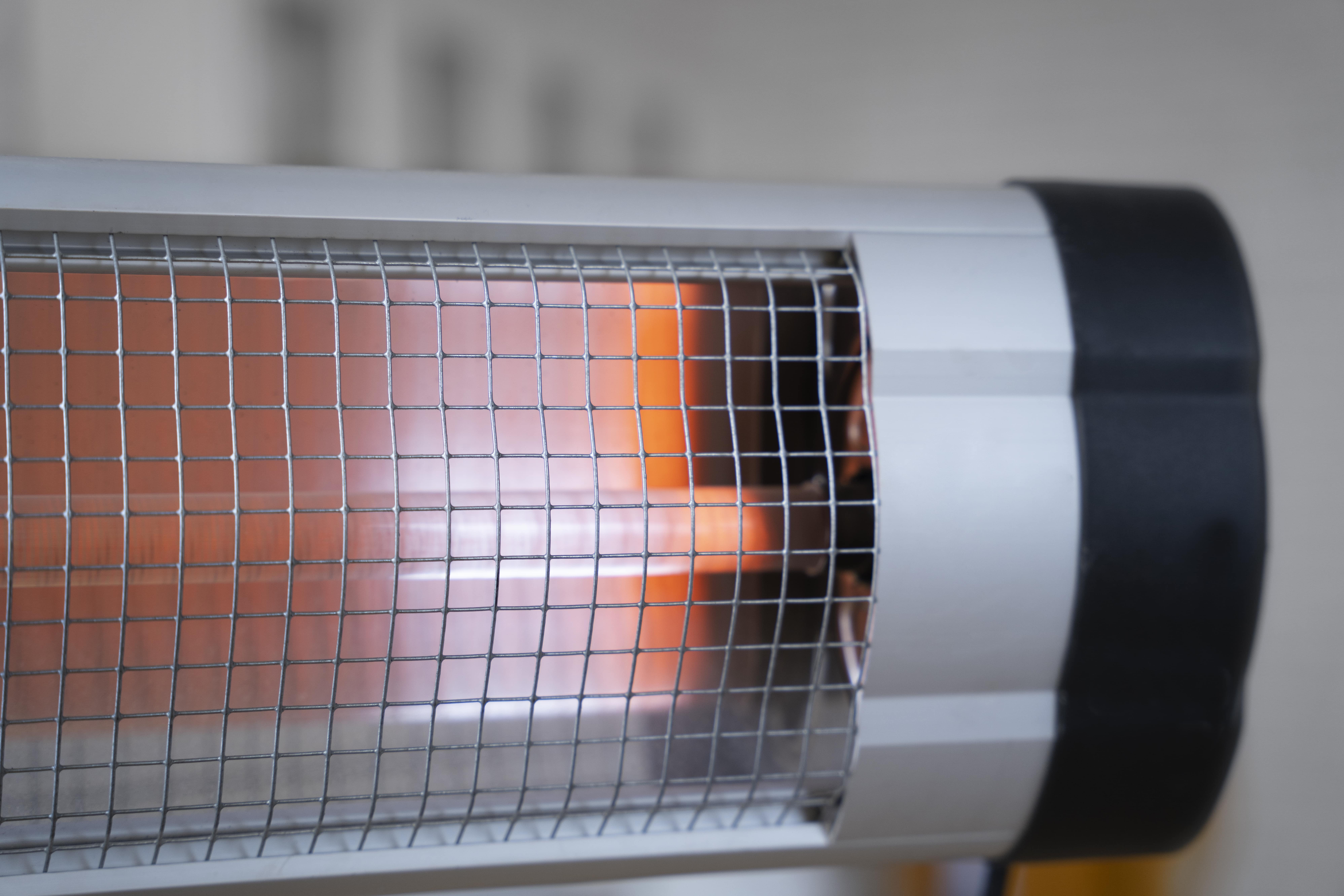
Heating Replacement in Hermosa Beach, CA
Replacing a failing or inefficient heating system is a major home investment, especially in Hermosa Beach where coastal conditions and mild winters create different needs than inland locations. This page explains when replacement is necessary, the best upgrade options for local homes, energy-efficiency benefits, safe removal and disposal practices, how models compare, and the typical replacement workflow—so you can make an informed, low-risk decision that fits your property and budget priorities.
Why heating replacement matters in Hermosa Beach
Hermosa Beach homes experience relatively mild winters with periodic cool, damp marine air. That climate reduces raw heating demand but increases the value of efficient, reliable systems that:
- Maintain steady comfort during chilly coastal nights
- Resist corrosion from salt air when installed outdoors
- Integrate with limited attic or closet space common in beach bungalows and condominiums
- Align with California energy goals for lower emissions and higher efficiency
Delaying replacement can mean higher energy bills, frequent repairs, poorer indoor comfort, and safety risks if combustion equipment is involved.
Common signs you need heating replacement in Hermosa Beach
Watch for these bottom-line signals that replacement is likely a better choice than continued repair:
- System age: equipment nearing or past expected service life and needing frequent repairs
- Rising energy bills without a change in use or thermostat settings
- Uneven heating, cold spots, or long warm-up cycles
- Persistent noise, strong fuel or exhaust odors, or visible rust and corrosion on outdoor units
- Safety alarms or evidence of combustion problems such as yellow burner flames or soot
- Inefficient performance even after servicing and filter changes
If several of these issues are present, replacement typically offers lower lifetime cost and better reliability.
Heating replacement options suited to Hermosa Beach homes
Hermosa Beach properties favor compact, efficient, and corrosion-resistant systems. Main replacement choices include:
- Air-source heat pumps (including cold-climate and variable-speed models)
- Pros: Highly efficient for mild coastal climates, provide both heating and cooling, no combustion in the home, strong energy savings.
- Cons: Outdoor units need corrosion protection; performance varies with model quality.
- Ductless mini-split heat pumps
- Pros: Ideal for homes without ductwork or for room-by-room upgrades; minimal space changes required; high efficiency.
- Cons: Multiple indoor heads can increase visual impact; condensate and service access need planning.
- High-efficiency gas furnaces (where gas is available)
- Pros: Strong heating output and compatibility with existing duct systems.
- Cons: Combustion safety and venting must be maintained; less favorable from an emissions perspective than electric heat pumps.
- Hybrid systems (heat pump + furnace)
- Pros: Combine heat pump efficiency with furnace backup for rare very cold conditions; flexible operation.
- Cons: More complex controls and installation considerations.
Choose models with coastal-rated coatings or stainless-steel components if the outdoor unit will be exposed to salt air.
Energy-efficiency benefits and what to look for
Upgrading provides immediate and long-term advantages:
- Lower monthly energy use through higher efficiency ratings (look for HSPF and SEER values for heat pumps; AFUE for furnaces)
- Better comfort via variable-speed compressors, staged operation, and improved airflow
- Reduced carbon footprint and alignment with regional energy policies
- Longer equipment life and reduced repair frequency when right-sized and professionally installed
When comparing models, prioritize:
- Efficiency ratings and real-world seasonal performance
- Corrosion resistance and warranty provisions for coastal environments
- Compatibility with existing ductwork, thermostats, and home layout
- Noise levels and indoor air quality features such as filtration and humidity control
Removal and disposal procedures
Proper removal protects your home, the environment, and your legal obligations:
- Certified technicians recover refrigerant using approved recovery equipment; refrigerant cannot be released to atmosphere
- Gas and electrical connections are safely disconnected and capped following code
- Metal, copper, and other recyclable parts are separated for recycling where available
- Hazardous components, including oil, batteries, and certain electronic controls, are handled in accordance with local disposal rules
- Permits and disposal receipts are commonly required for code compliance and warranty activation
Ask for documentation of refrigerant recovery and disposal to ensure regulatory compliance and environmental responsibility.
Comparative analysis: choosing the right model for Hermosa Beach
Consider these trade-offs when narrowing options:
- Efficiency vs upfront complexity: Heat pumps often save more energy long-term but may require larger initial investment and specific placement to resist salt corrosion.
- Space constraints vs performance: Ductless systems avoid ductwork modifications but may be less visually discreet than centralized systems.
- Fuel availability vs emissions: Gas furnaces remain powerful where gas is present, but electric heat pumps reduce combustion-related risks and emissions.
- Warranty and serviceability: Coastal homes should favor manufacturers and installers who offer coastal warranties and routine corrosion inspections.
A site evaluation that includes duct condition, insulation levels, and expected usage patterns is essential to compare models accurately.
Typical replacement project workflow
A standard replacement follows clear steps to limit disruption and ensure longevity:
- Site assessment and load calculation to determine appropriate capacity and system type
- Model selection and permit application to meet local building codes
- Pre-install preparation: access planning, placement for outdoor condenser protection, and duct sealing if needed
- Removal of old equipment with refrigerant recovery and proper disposal
- Installation of new equipment, electrical and gas hookups, and thermostat integration
- System commissioning, safety checks, and performance testing
- Final inspection and documentation for permits and warranties
Most replacements are completed in a day or two depending on complexity, access, and permit timelines. Coastal installations may require additional corrosion protection steps.
Cost drivers and available incentives
Replacement cost is influenced by system type, capacity, existing ductwork condition, complexity of installation, and any required upgrades to ventilation or electrical service. Incentives, rebates, and local programs aimed at energy efficiency and electrification are commonly available in Southern California and can reduce net cost while improving payback and environmental outcomes. Be sure permit requirements and local coastal considerations are factored into project planning.
Long-term benefits and maintenance guidance
A properly selected and installed heating system reduces energy bills, improves comfort, and increases resale value. To maximize lifespan and efficiency:
- Schedule annual tune-ups, especially for coastal properties where salt buildup can accelerate wear
- Keep condensers and vents clear of debris and salt spray
- Replace filters regularly and maintain proper thermostat settings
- Address minor issues early to avoid premature replacement
Upgrading your heating system in Hermosa Beach is a strategic decision that balances coastal durability, energy efficiency, and home comfort. With the right system choice and professional installation, replacement can deliver reliable warmth, lower operating costs, and peace of mind for years to come.
Customer
Testimonials
Our customers consistently praise the exceptional service and professionalism of our team. They appreciate the honest advice, meticulous work, and the care taken to ensure their satisfaction.

.webp)
Service Areas
