

Heating Maintenance in Hermosa Beach, CA

Heating maintenance for Hermosa Beach homes emphasizes preparedness against salty air, humidity, and seasonal use. The program outlines tailored inspections, routine tasks, and priority service to keep heat pumps, ductless mini-splits, furnaces, and boilers operating efficiently. Regular visits address dirty coils, clogged filters, refrigerant checks, airflow, duct integrity, and safety controls, while clearly defined service frequencies (annual to twice-yearly) align with climate and equipment. The result is fewer mid-season failures, lower energy costs, longer system life, and steadier comfort for residents.
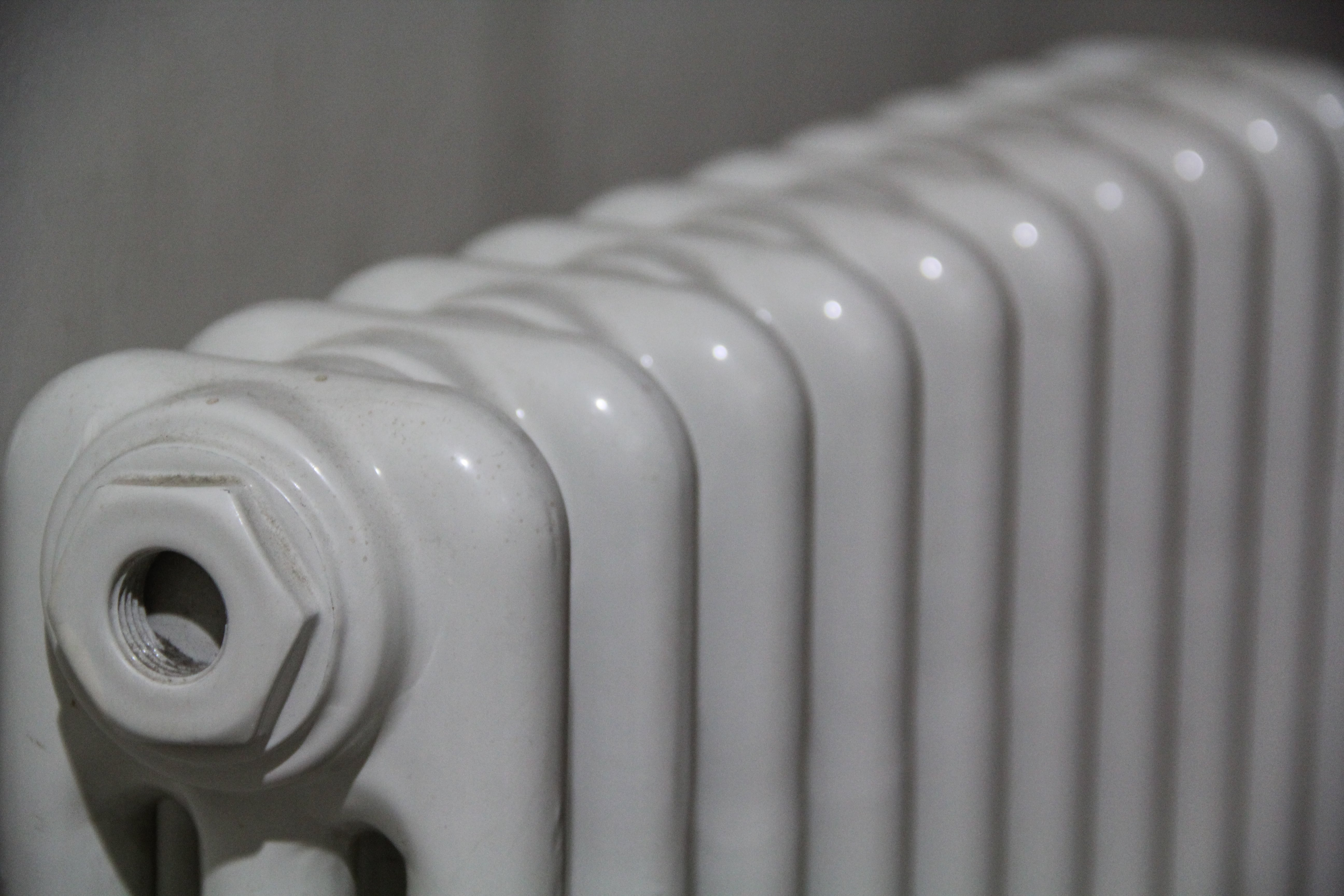
Heating Maintenance in Hermosa Beach, CA
Keeping your home comfortable in Hermosa Beach, CA means more than turning a system on when the temperature dips. Coastal homes face unique stresses on heating equipment: mild but damp winters, salty marine air, and seasonal use that can let small problems grow into costly failures. A tailored heating maintenance program in Hermosa Beach, CA reduces breakdowns, improves comfort, and lowers energy costs by catching issues early and optimizing system performance.
Why ongoing heating maintenance matters in Hermosa Beach
Hermosa Beach climate influences how heating systems age and perform. Homes here typically use heat pumps and ductless mini-splits more than traditional gas furnaces, but any system is vulnerable to:
- Salt air corrosion on outdoor units and metal components
- Moisture-driven electrical and control issues because of the marine layer
- Intermittent use that lets filters and coils accumulate debris between seasons
- Sand, fine dust, and coastal debris that reduce airflow and efficiency
Regular maintenance adapts to these local conditions, preventing rusted fasteners, poor heat transfer, and unexpected mid-season failures.
Common heating maintenance issues in Hermosa Beach
Homeowners in Hermosa Beach commonly see:
- Reduced heating output from dirty coils or clogged filters
- Short cycling due to improper refrigerant charge or thermostat miscalibration
- Corrosion-related fan and compressor problems on outdoor units
- Clogged condensate drains and moisture-related safety trips
- Electrical component wear: failing capacitors, loose connections, or burned contacts
- Inefficient operation from neglected belts, motors, and duct leaks
A preventive maintenance program is designed to identify and correct these problems before they interrupt service.
What a preventive heating maintenance program includes
A comprehensive program combines scheduled inspections, preventive tasks, and priority response benefits. Typical components include:
- Scheduled seasonal inspections
- Pre-winter check to ensure peak heating readiness
- Optional spring check for systems that also cool (heat pumps, split systems)
- Routine preventive tasks
- Replace or clean air filters and inspect filter housings
- Clean indoor evaporator coils and outdoor condenser coils
- Inspect and tighten electrical connections and controls
- Check refrigerant levels and system pressures for heat pumps and mini-splits
- Lubricate motors and moving parts where applicable
- Test thermostat calibration and system operation across modes
- Inspect condensate drain lines and pans; clear blockages
- Inspect ductwork for leaks, insulation gaps, and restricted airflow
- Check safety controls and, for gas systems, flue/vent integrity and combustion safety
- Documentation and account tracking
- Detailed inspection reports noting wear items and recommended follow-ups
- Service history to forecast part replacements and lifecycle planning
Detailed maintenance scope by system type
Heat pumps and ductless mini-splits
- Inspect and clean both indoor and outdoor coils; use low-pressure rinsing to remove salt buildup
- Verify refrigerant charge and measure subcooling/superheat for proper operation
- Check reversing valve operation and defrost cycle performance
- Clean or replace filters, verify airflow, and inspect condensate drainage
Gas furnaces and packaged gas systems
- Inspect burners, pilot/ignition system, and heat exchanger for cracks or corrosion
- Clean burner surfaces and test combustion efficiency where applicable
- Inspect venting, flue connections, and carbon monoxide safety controls
- Replace filters and check blower wheel and belt tension
Hydronic boilers and radiant heat
- Check system pressure, expansion tank condition, and for any visible leaks
- Flush or clean strainers and inspect pump operation
- Verify boiler controls, safety limits, and water treatment measures to reduce corrosion
Ducted systems
- Measure airflow at vents, inspect for major obstructions or collapsed ducts
- Seal and insulate accessible duct seams; recommend targeted repairs for energy loss
- Clean supply and return grilles and evaluate IAQ impact
Recommended service frequency
- Heat pumps and ductless mini-splits: minimum annual service, with strong recommendation for twice-yearly checks (pre-winter and pre-summer) because units switch between heating and cooling modes.
- Gas furnaces and boilers: annual safety and efficiency inspection before the heating season.
- Ducted systems: annual inspection; filter changes every 1 to 3 months depending on occupancy and indoor air quality.
- Older systems or high-use households: increase frequency to catch age-related wear.
Twice-yearly service is particularly valuable in Hermosa Beach to mitigate seasonal shifts and salt-air effects.
How maintenance reduces breakdowns and energy costs
Preventive maintenance lowers operating costs and reduces emergency repairs by:
- Restoring design airflow and heat transfer so the system runs less and uses less energy
- Catching refrigerant leaks, failing capacitors, and worn belts early, preventing catastrophic failures
- Maintaining proper control settings and thermostat accuracy to avoid inefficient cycles
- Extending equipment life by reducing stress on compressors, motors, and heat exchangers
- Improving occupant comfort and lowering the number of emergency service calls during cold snaps or unseasonable weather
Well-maintained systems also preserve resale value and can postpone costly premature replacements.
Priority service benefits for maintenance plan members
Being on a structured maintenance program typically includes non-promotional benefits such as:
- Priority scheduling during seasonal peaks, reducing wait times for inspections or repairs
- Faster dispatch and parts sourcing when issues are identified
- Consolidated service records that simplify warranty claims and lifecycle planning
- Proactive alerts for recommended replacements to avoid last-minute failures
These advantages translate into greater reliability for Hermosa Beach homeowners who depend on consistent indoor comfort without disruptions.
Final notes on protecting your Hermosa Beach home
Heating maintenance in Hermosa Beach, CA must account for coastal corrosion, moisture exposure, and intermittent seasonal use. Choosing a preventive maintenance approach tailored to your system type—heat pump, ductless mini-split, furnace, or boiler—keeps equipment efficient, reduces energy costs, and prevents mid-season breakdowns. Consistent inspections, simple preventive tasks, and priority service benefits combine to protect comfort and extend system life in coastal conditions.
Customer
Testimonials
Our customers consistently praise the exceptional service and professionalism of our team. They appreciate the honest advice, meticulous work, and the care taken to ensure their satisfaction.

.webp)
Service Areas
