

Ventilation in West Covina, CA

Ventilation services for West Covina homes provide comprehensive assessment, design, installation, and commissioning of balanced systems that improve air quality, comfort, and energy efficiency. The page covers common issues such as poor air exchange, uneven temperatures, humidity swings, outdoor smoke, and duct leaks, with a full menu of services from diagnostics to ductwork optimization and ERV/HRV guidance. Emphasis is placed on California code compliance (Title 24, ASHRAE 62.2), low-noise operation, and ongoing maintenance to sustain performance. Boosts comfort and efficiency.
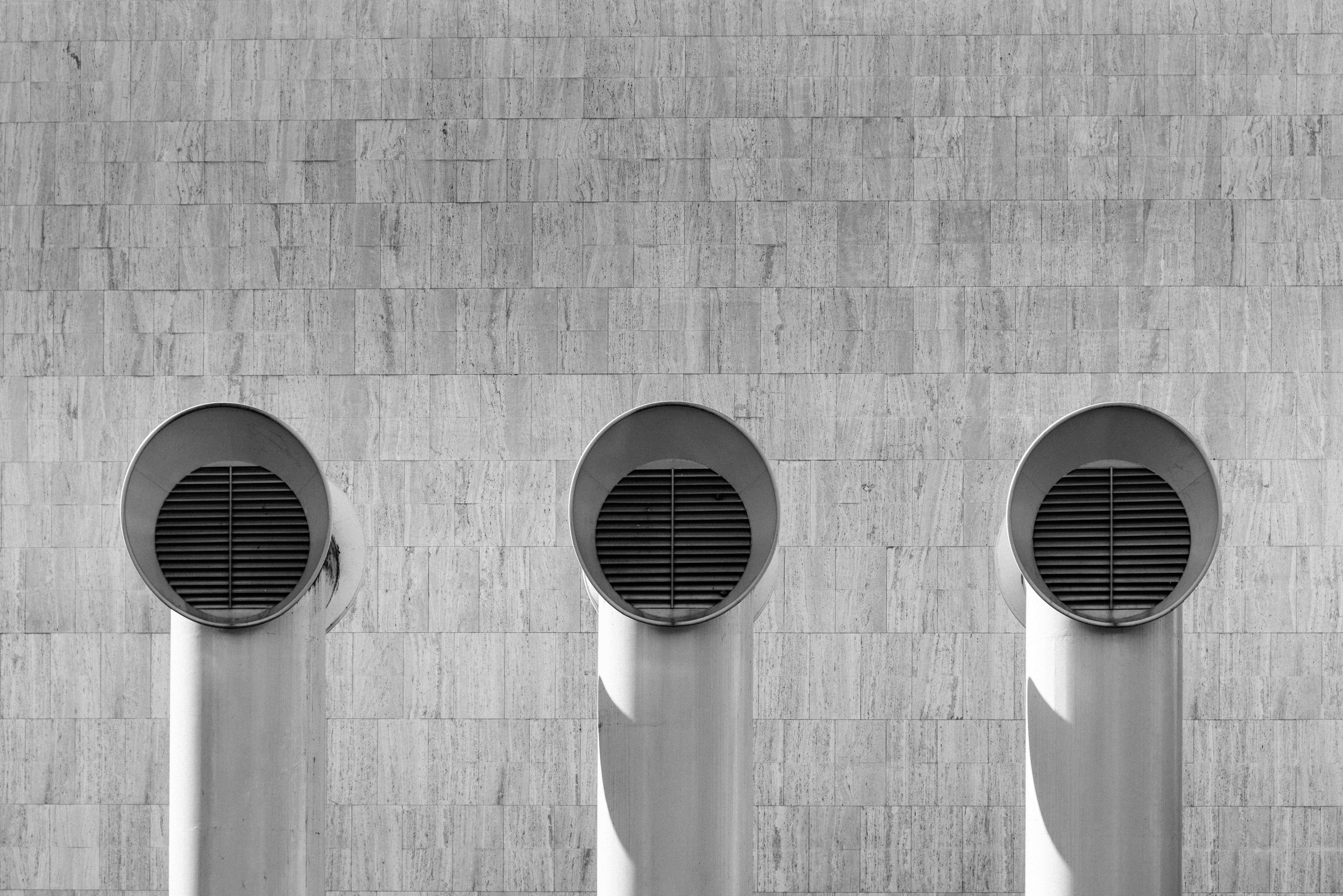
Ventilation in West Covina, CA
Proper ventilation is one of the most effective ways to improve indoor comfort, reduce energy waste, and protect your family from airborne pollutants. In West Covina, CA, homes face unique indoor air challenges: hot, dry summers, relatively mild winters, periodic Santa Ana winds, and seasonal wildfire smoke and regional smog. A professionally designed and commissioned ventilation system addresses stale air, uneven temperatures, odors, humidity swings, and health concerns while meeting California energy and mechanical codes.
Common ventilation issues in West Covina homes
- Poor fresh air exchange that leads to lingering cooking odors, pet dander, and elevated CO2 levels in occupied rooms.
- Uneven comfort and hot spots during summer because of inadequate distribution or undersized ducts.
- Excess humidity or dryness in specific seasons due to lack of balanced ventilation and humidity control.
- Infiltration of outdoor smoke and pollutants during wildfire season when intake strategies are not optimized.
- High energy use from ventilation systems that are oversized, uncontrolled, or not integrated with HVAC and building controls.
- Duct leaks and poor sealing that reduce system effectiveness and worsen indoor air quality.
What professional ventilation services include
A complete ventilation service goes beyond installing a fan. For West Covina homes, expect a full suite of offerings that focus on performance, compliance, and long-term efficiency.
- System assessments and diagnostics
- Comprehensive walkthrough to identify pollutant sources, ventilation shortfalls, and comfort complaints.
- Measurement of airflow, pressure imbalances, and basic indoor air metrics to establish a baseline.
- Visual and diagnostic inspection of existing ductwork, fans, and controls.
- Design and sizing of mechanical ventilation and ductwork
- Balanced design based on occupancy and building leaks, following prevailing standards and California requirements.
- Duct layout optimization to ensure even distribution, minimize runs and pressure loss, and enable proper zoning.
- Selection of fan capacity, low-sone options for noise-sensitive spaces, and integration points with existing HVAC.
- Installation of mechanical ventilation systems
- Supply, exhaust, and balanced ventilation options to suit home layout and lifestyle.
- Ductwork fabrication, routing, sealing, and insulation tailored to attic, crawlspace, or conditioned space installations.
- Integration with furnace or air handler where appropriate to use existing airflow for distribution.
- ERV and HRV unit options and guidance
- Explanation and selection of Energy Recovery Ventilators (ERV) versus Heat Recovery Ventilators (HRV) based on climate and indoor humidity goals.
- ERVs are often advantageous in West Covina because they transfer both heat and moisture, helping manage indoor humidity during mild winters and hot summers. HRVs may be recommended in drier climates or specific applications.
- Selection of filtration level and the ability to shut down or bypass outdoor intake during poor outdoor air events like wildfire smoke.
- Code and energy-efficiency considerations
- Designs that comply with California energy code (Title 24) and current ventilation guidance such as ASHRAE 62.2, ensuring required fresh air rates and energy-efficient operation.
- Use of variable speed fans, demand-controlled ventilation, and controls that reduce ventilation rates when appropriate to save energy while protecting air quality.
- Attention to duct sealing, insulation, and tight installation to meet performance expectations and reduce utility impacts.
Commissioning and testing procedures explained
Commissioning is the quality step that ensures the system delivers the promised performance.
- Airflow balancing to confirm supply and exhaust rates meet design targets across zones.
- Pressure testing to identify unwanted leakage and correct pressure imbalances that can draw contaminants from attics or garages.
- Verification of control logic and sensors (CO2, humidity, timers) so the system adapts to occupancy and outdoor conditions.
- Functional testing of ERV/HRV core performance, bypass operation, and filtration accessibility.
- Documentation of as-built performance and recommendations for seasonal adjustments.
Commissioning makes low-noise, low-energy ventilation a reliable part of your home comfort strategy rather than an afterthought.
Choosing between ERV and HRV in West Covina
- ERV (Energy Recovery Ventilator): Transfers heat and a portion of moisture between inbound and outbound air. In West Covina’s Mediterranean climate with hot summers and mild, sometimes humid winters, ERVs often provide the best year-round comfort and humidity control while reducing HVAC load. ERVs are also useful when you want some moisture retention in winter to prevent over-drying.
- HRV (Heat Recovery Ventilator): Transfers heat only and is most effective in colder, dryer climates. HRVs may be chosen for specific projects where humidity control is managed separately.
- Both systems should include high-quality filtration and the option to reduce/stop outdoor air intake when outdoor air quality is poor.
Practical tips to improve indoor air circulation and comfort
- Seal and insulate ducts to avoid energy loss and ensure design airflow reaches rooms.
- Use ceiling fans and properly balanced registers to improve perceived comfort without raising cooling loads.
- Upgrade to higher MERV-rated filters in forced-air systems, keeping in mind manufacturer recommendations and static pressure impacts.
- Schedule ventilation to coincide with times of better outdoor air quality and lower temperatures, and close outdoor intakes during smoke events.
- Maintain ERV/HRV cores and filters on a regular schedule for peak performance.
- Consider demand-controlled ventilation (CO2 sensors) in frequently occupied areas to reduce unnecessary ventilation when spaces are empty.
Long-term benefits of professional ventilation
A properly designed, installed, and commissioned ventilation system improves health and comfort while lowering overall energy use. It reduces allergens, odors, and indoor pollutants, stabilizes humidity, and protects HVAC equipment by lowering particulate loads. For West Covina homes, thoughtful ventilation design also provides resilience against seasonal smoke and regional air quality challenges, all while meeting California code requirements and keeping long-term operating costs under control.
When addressing ventilation in West Covina, CA, prioritize balanced systems, careful ductwork design, and smart controls to match local climate patterns and air-quality realities. Proper assessment, code-conscious design, and thorough commissioning turn ventilation from a necessary expense into a measurable improvement in indoor living quality.
Customer
Testimonials
Our customers consistently praise the exceptional service and professionalism of our team. They appreciate the honest advice, meticulous work, and the care taken to ensure their satisfaction.

.webp)
Service Areas
