

Smart Thermostat Installation in West Covina, CA

Smart thermostat installation in West Covina, CA offers a modern way to enhance home comfort, cut energy costs, and integrate seamlessly with automation systems and solar setups. This service highlights leading options from brands like Nest, Ecobee, and Honeywell, along with expert advice on selecting models suited to your HVAC system and preferred features. Professional technicians ensure correct wiring, compatibility, and configuration, followed by Wi-Fi connection, app integration, and post-installation support to deliver consistent performance and long-term energy efficiency.
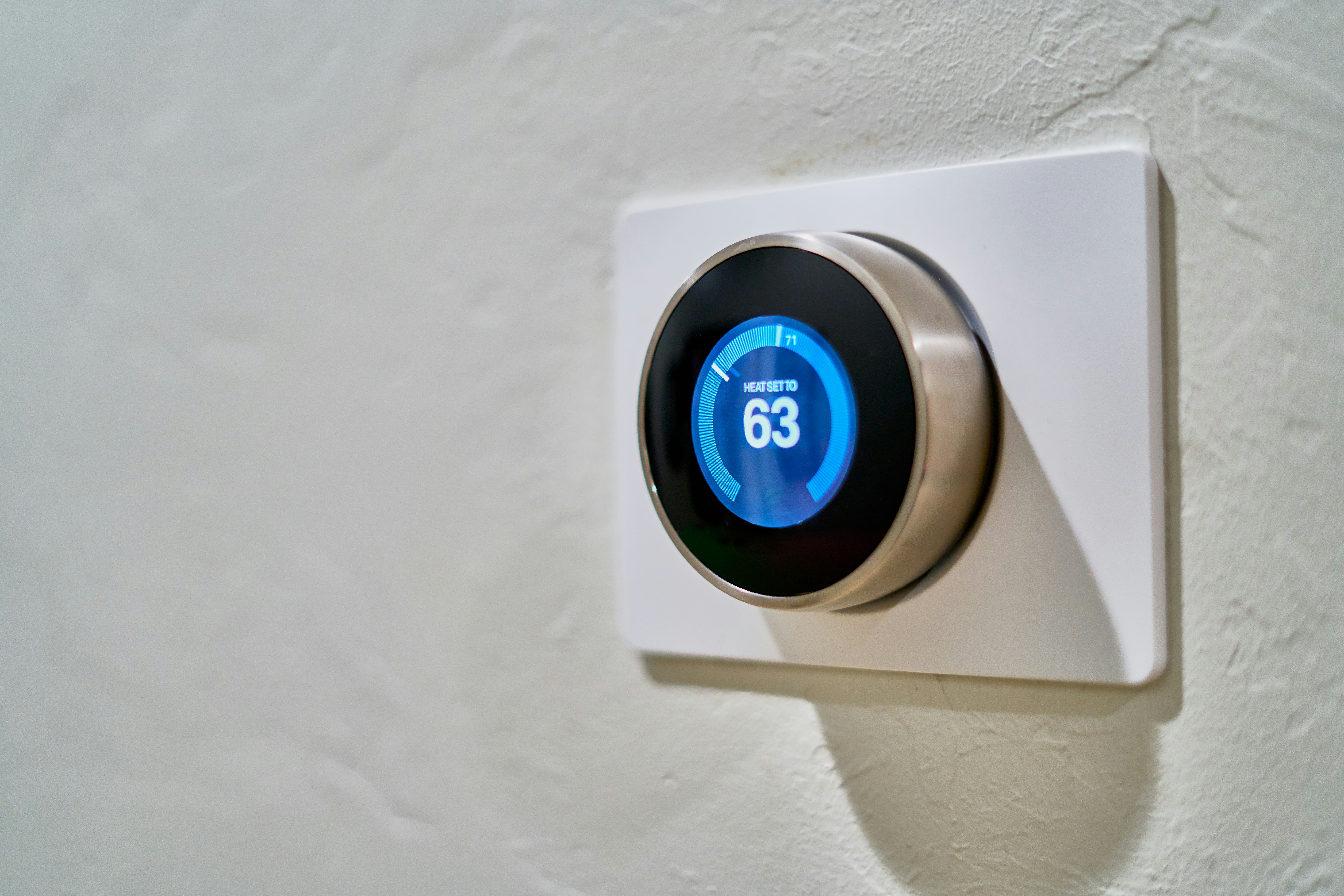
Smart Thermostat Installation in West Covina, CA
Smart thermostat installation in West Covina, CA gives homeowners precise control over heating and cooling while cutting energy use and improving comfort during hot inland summers. This page explains how professional smart thermostat installation works, which devices are best for different homes, how compatibility is verified, what to expect during setup and integration with smart home systems, and the post-installation support that helps your system run reliably year-round.
Why a smart thermostat matters in West Covina homes
West Covina experiences warm, dry summers where air conditioning runs for long periods. A smart thermostat helps reduce runtime and peak energy use by learning routines, using geo-features to adjust temperatures when the house is empty, and by enabling energy-saving schedules. In Southern California, where electricity rates and demand charges can be significant, properly configured smart thermostats frequently lower monthly utility bills and improve equipment lifespan by reducing unnecessary cycling. For homes with solar panels, smart scheduling can also align HVAC use with peak solar production.
Popular devices and which one fits your home
Common brands homeowners choose include:
- Nest (Google Nest): strong learning algorithms and seamless Google Home integration.
- Ecobee: excellent multi-room temperature sensing and built-in Alexa on some models.
- Honeywell Home: broad compatibility across HVAC systems and user-friendly interfaces.
- Emerson Sensi: reliable basic smart features and easy installation for many 24V systems.
- Carrier and Rheem smart thermostats: often sold alongside HVAC equipment for full system compatibility.
Device choice depends on your HVAC type, desired features (voice control, extra sensors, compatibility with Apple HomeKit or other ecosystems), and whether you want advanced energy reports or remote occupancy features.
Common smart thermostat issues in West Covina and how professionals address them
- Missing or weak C-wire: Many older thermostats don’t have the common wire that some smart thermostats require. Solutions include installing a dedicated C-wire, using a power extender kit, or selecting a model that works without one.
- Line-voltage systems: Electric baseboard or radiant systems often use high-voltage thermostats incompatible with low-voltage smart models. A compatible line-voltage smart thermostat or a relay conversion is required.
- Heat pumps and multi-stage systems: Homes with heat pumps or multi-stage HVAC need thermostats that support those control signals to maintain efficiency and comfort.
- Wi-Fi and connectivity issues: Thick walls, interference, or aging routers can cause intermittent connectivity. Placement and network troubleshooting ensure reliable remote control.
- Old or failing control boards: If the HVAC control board is outdated or damaged, thermostat signals may not translate properly. A professional diagnostic will identify whether board repair or replacement is necessary.
Compatibility verification process
A professional compatibility check typically includes:
- Inspecting the existing thermostat and wiring to identify voltage, presence of a C-wire, and terminal labeling.
- Verifying the HVAC equipment type: single-stage, multi-stage, heat pump, dual-fuel, or line-voltage.
- Checking the furnace/air handler control board for available terminals and overall condition.
- Reviewing the home’s Wi-Fi network and smart home ecosystem (Google Home, Amazon Alexa, Apple HomeKit, or Z-Wave/Zigbee hubs).
- Recommending the best device or necessary hardware (C-wire installation, relay, or compatible line-voltage thermostat).
This upfront assessment prevents installation delays and ensures the selected thermostat will deliver the promised features.
Professional installation and Wi-Fi/app setup - what to expect
Installation is performed methodically to protect HVAC controls and ensure reliable operation:
- Power is turned off at the breaker to avoid damage.
- The old thermostat is removed and wiring photographed and labeled.
- Mounting and wiring of the new thermostat are completed according to manufacturer guidelines and the HVAC control board layout.
- The system is powered on and each HVAC function (cooling, heating, fan, auxiliary heat, heat pump reversing valve) is tested.
- Wi-Fi connection and app configuration are completed using your network credentials. Voice assistant linking and account setup are performed when applicable.
- Energy-saving features, schedules, and geo-fencing are configured with the homeowner to reflect daily routines and West Covina’s seasonal temperature patterns.
- Final testing includes confirming remote access, scheduling, and smart features such as occupancy detection and smart recovery.
Energy-saving scheduling, geo-features, and advanced settings
Smart thermostats offer multiple ways to lower energy use:
- Time-based schedules: Set different temperatures for morning, away, evening, and sleep times.
- Geo-fencing: Uses your smartphone location to automatically set the thermostat to an energy-saving mode when you leave and restore comfort when you return.
- Smart recovery: Gradually brings the home to the target temperature so the HVAC doesn't run extra at peak times.
- Learning modes and occupancy detection: Some models learn habits and adjust automatically, while others use motion or remote sensors to balance comfort room-by-room.
- Integration with solar production: For homes with solar, schedules can be adjusted to shift heavy HVAC use to midday when panels are generating the most power.
Integration with smart home systems
Smart thermostats commonly integrate with:
- Voice assistants: Amazon Alexa, Google Assistant, and Apple Siri (via HomeKit compatible models).
- Smart hubs and automation platforms: Many thermostats link with Z-Wave or Zigbee hubs, IFTTT, and home automation systems for advanced scenes (for example, turning off HVAC when windows are open).
- Multi-sensor setups: Remote temperature sensors provide more accurate whole-home temperature control by averaging or prioritizing specific rooms.
Proper integration improves convenience, allows voice control of comfort settings, and enables broader automation like linking HVAC operation to security systems or air quality monitors.
Post-installation support and ongoing optimization
Reliable post-installation support focuses on long-term performance:
- Firmware and app updates: Keeping the thermostat current prevents bugs and adds features.
- Remote troubleshooting: Diagnosing connectivity issues or configuration changes without a site visit when possible.
- Seasonal tune-ups: Reconfirming schedules and settings for summer cooling and winter heating needs.
- Energy report review: Helping interpret monthly energy reports and adjusting schedules or settings to maximize savings.
- Sensor placement and calibration: Fine-tuning remote sensor locations to eliminate hot or cold spots in the home.
Benefits and final considerations for West Covina homeowners
Smart thermostat installation in West Covina, CA delivers measurable comfort improvements and energy savings, especially during the long cooling season. Benefits include lower energy bills through intelligent scheduling, reduced wear on HVAC equipment, better alignment with solar production, and convenient integration with smart home ecosystems. Before installation, ensure your home’s wiring and HVAC configuration are evaluated so the selected thermostat performs reliably. With proper setup and ongoing support, a smart thermostat becomes a central tool for efficient, comfortable living in West Covina’s climate.
Customer
Testimonials
Our customers consistently praise the exceptional service and professionalism of our team. They appreciate the honest advice, meticulous work, and the care taken to ensure their satisfaction.

.webp)
Service Areas
