

Ventilation in View Park-Windsor Hills, CA

View Park-Windsor Hills ventilation services focus on improving indoor air quality and comfort through tailored whole-house and spot strategies. Local concerns include wildfire smoke, smog, moisture in older homes, and condensation. Our approach combines ERVs and balanced ventilation with demand controls, plus targeted exhaust and improved ducts. We assess, inspect, and test envelopes, ducts, and IAQ metrics, then size, install, and balance systems while documenting code compliance. Regular maintenance protects performance and reduces energy use. From assessment to commissioning, trusted.
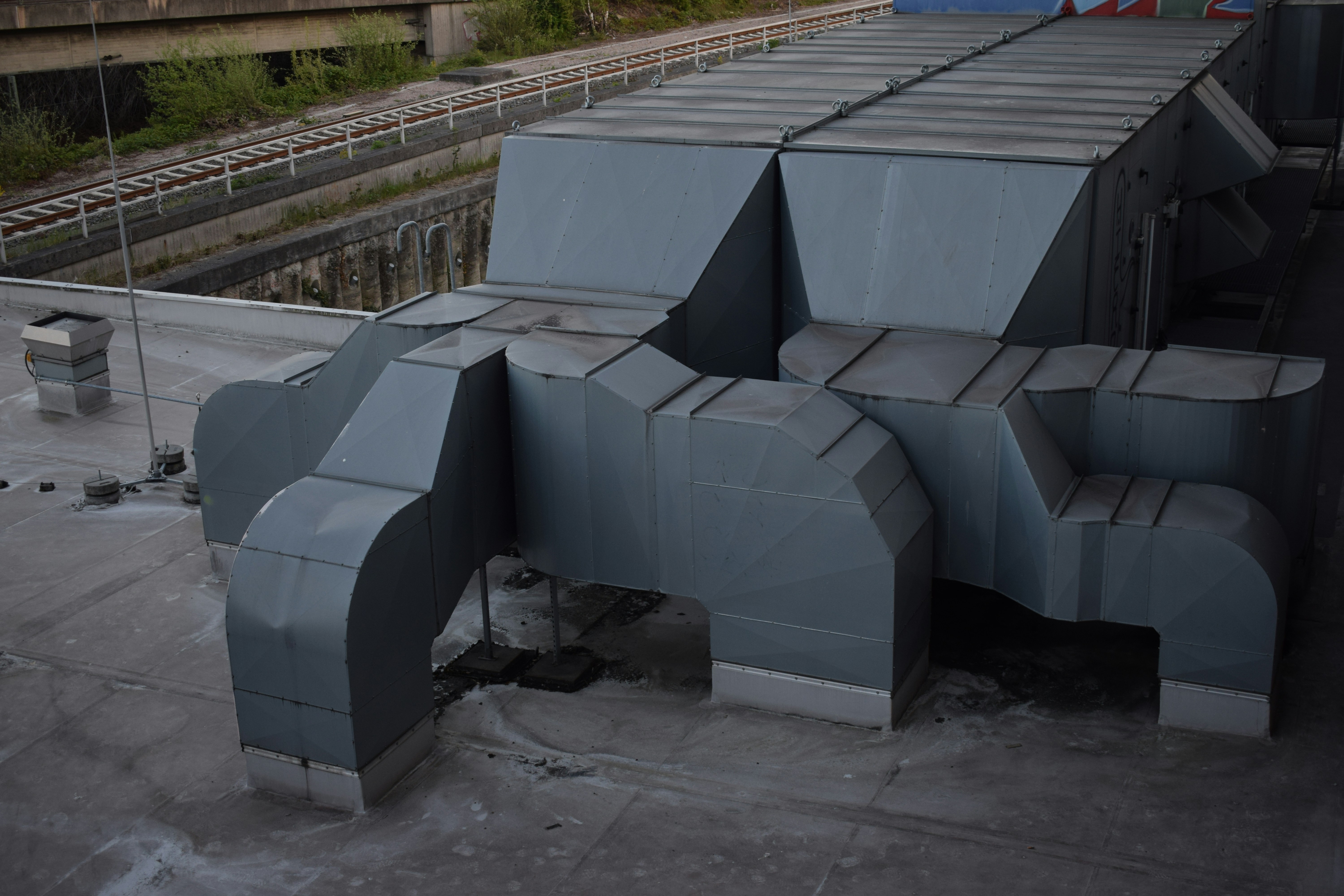
Ventilation in View Park-Windsor Hills, CA
Proper ventilation is one of the fastest ways to improve comfort, reduce odors, cut allergy triggers, and protect building materials in View Park-Windsor Hills, CA homes. Whether your house feels stale, bathroom and kitchen moisture is persistent, or wildfire smoke and summer smog leave residents worried about air quality, the right ventilation strategy — whole-house or targeted spot ventilation — can deliver measurable indoor air quality improvements while minimizing energy impact.
Why ventilation matters in View Park-Windsor Hills, CA
View Park-Windsor Hills sits in the Los Angeles basin with warm, dry summers, mild winters, and occasional marine influences and temperature inversions. Local concerns that make ventilation especially important here include:
- Wildfire smoke and regional smog that elevate particulate and ozone levels.
- Older homes with tight envelopes or patched ductwork that trap moisture and odors.
- Seasonal condensation in cooler months that can lead to mold in bathrooms, attics, and closets.A tailored ventilation plan addresses these issues without over-ventilating and wasting energy.
Common ventilation issues we see in View Park-Windsor Hills homes
- Stale indoor air and persistent cooking or pet odors
- Excess humidity and recurring bathroom or attic mold
- Uneven airflow and rooms that never reach set temperatures
- Infiltration of outdoor smoke or high particle levels during fire season
- Old or undersized exhaust fans, poorly routed ducts, and unbalanced systems
Ventilation solutions: whole-house and spot options
Whole-house and spot ventilation are complementary. Choosing the right mix depends on your home size, envelope tightness, occupancy patterns, and indoor air concerns.
Whole-house ventilation options
- Energy Recovery Ventilators (ERVs): Transfer heat and a portion of moisture between incoming and outgoing air. Best in the LA climate where humidity control and energy efficiency matter.
- Balanced ventilation with dedicated supply and exhaust plus filtration to reduce particulates and VOCs.
- Demand-controlled ventilation using CO2 or humidity sensors that adjust fresh-air rates based on occupancy.
Spot ventilation options
- High-efficiency bathroom exhaust fans (ducted to exterior) to control moisture at source.
- Kitchen range hoods vented outdoors or upgraded recirculating hoods with high-MERV filtration when outdoor air quality is hazardous.
- Localized attic or crawlspace ventilation to mitigate trapped moisture.
Related upgrades
- Duct sealing and insulation to prevent loss of conditioned air and unwanted infiltration.
- Duct balancing to deliver the right airflow volumes to each room.
- Upgraded filtration (MERV 8-13 or HEPA for portable/Room systems) to reduce particulates and smoke intrusion.
Assessment and diagnostic process
A professional ventilation assessment typically includes:
- Home survey and occupant interview to document comfort and IAQ complaints.
- Envelope and duct inspection for leaks, insulation gaps, and backdraft risks.
- Airflow measurements using anemometers or flow hoods to quantify supply and exhaust.
- Whole-house depressurization and blower door testing if infiltration is suspected.
- IAQ testing for CO2, relative humidity, particulate matter (PM2.5), and volatile organic compounds as required.
- Code and standards review against California Title 24, ASHRAE 62.2, and local jurisdiction requirements.
These diagnostics determine whether a balanced ERV, spot exhaust upgrades, or ductwork improvements are the best course.
Installation and commissioning - what to expect
- Precise sizing: Equipment is selected based on calculated ventilation rates, house tightness, and occupant needs to meet code without over-ventilating.
- Location planning: Intake and exhaust are routed to avoid pollutants, solar heating, and recirculation. Intake placement is especially important during wildfire smoke events.
- Ductwork work: Sealing, insulation, and possible reconfiguration ensure efficient airflow and prevent odor or pollutant migration.
- Controls and sensors: Timers, humidity sensors, or CO2 controls are installed for demand-based operation and energy savings.
- Commissioning and balancing: Systems are tested and airflow is balanced so each room receives the intended ventilation rate.
- Documentation and code compliance: Installations are verified against applicable California codes and industry standards for permitting and inspection needs.
Energy recovery ventilators (ERVs) vs other options
- ERV benefits in View Park-Windsor Hills: Reduces HVAC load by transferring sensible heat and some moisture, lowers energy costs, and maintains more consistent indoor humidity than simple exhaust systems. ERVs are particularly well-suited for Southern California where recovering cooling energy in hot months is valuable.
- HRV comparison: Heat recovery ventilators focus on sensible heat transfer and may be preferable in colder, drier climates. In our local climate, ERVs often provide better humidity balance.
- When to choose spot-only: If immediate concerns are limited to isolated moisture sources (bathrooms, kitchens), targeted exhaust upgrades may be sufficient and less costly.
Benefits for moisture and odor control
- Reduces bathroom and kitchen humidity that leads to mold and structural damage
- Removes cooking and pet odors at source before they spread
- Lowers indoor pollutant buildup and decreases dependence on open windows during smoky conditions
- Improves HVAC efficiency and reduces strain on heating or cooling systems through balanced ventilation
Maintenance and seasonal considerations for View Park-Windsor Hills
- Filters: Replace or clean ERV/ventilation filters on the schedule recommended by the manufacturer; upgrade to higher MERV during wildfire season when outdoor particulates rise.
- Core cleaning: ERV heat-exchange cores should be inspected and cleaned annually to maintain efficiency.
- Fan and duct checks: Inspect for airflow changes, unusual noise, or backdrafting; re-balance if occupants report comfort issues.
- High-pollution events: During wildfire smoke, operate ERV with recirculation and high-efficiency filtration or temporarily reduce outdoor intake and rely on mechanical filtration.
- Code updates: California energy and ventilation standards are periodically updated; scheduled system reviews ensure ongoing compliance.
Final considerations
A well-designed ventilation system tailored to View Park-Windsor Hills homes protects indoor air quality, reduces moisture- and odor-related problems, and can lower energy use when built around energy recovery and demand-controlled strategies. Combining whole-house ERV solutions with targeted spot ventilation and proper duct balancing addresses both chronic and acute IAQ concerns while satisfying California code expectations and community-specific challenges like wildfire smoke and urban smog. Proper assessment, correct sizing, professional installation, and routine maintenance are the keys to long-term performance and comfort.
Customer
Testimonials
Our customers consistently praise the exceptional service and professionalism of our team. They appreciate the honest advice, meticulous work, and the care taken to ensure their satisfaction.

.webp)
Service Areas
