

Smart Thermostat Installation in View Park-Windsor Hills, CA

Smart thermostat installation in View Park–Windsor Hills, CA provides homeowners with improved comfort, lower energy costs, and convenient remote control through connected apps and voice assistants. Professional technicians conduct compatibility checks for central air systems, heat pumps, and multi-zone setups while ensuring proper wiring and power supply. The installation process includes safe device mounting, Wi-Fi integration, app configuration, and smart home automation setup. Homeowners also receive expert tips on optimizing schedules, maximizing energy efficiency, and maintaining system reliability, along with troubleshooting guidance and ongoing local support for long-term performance.
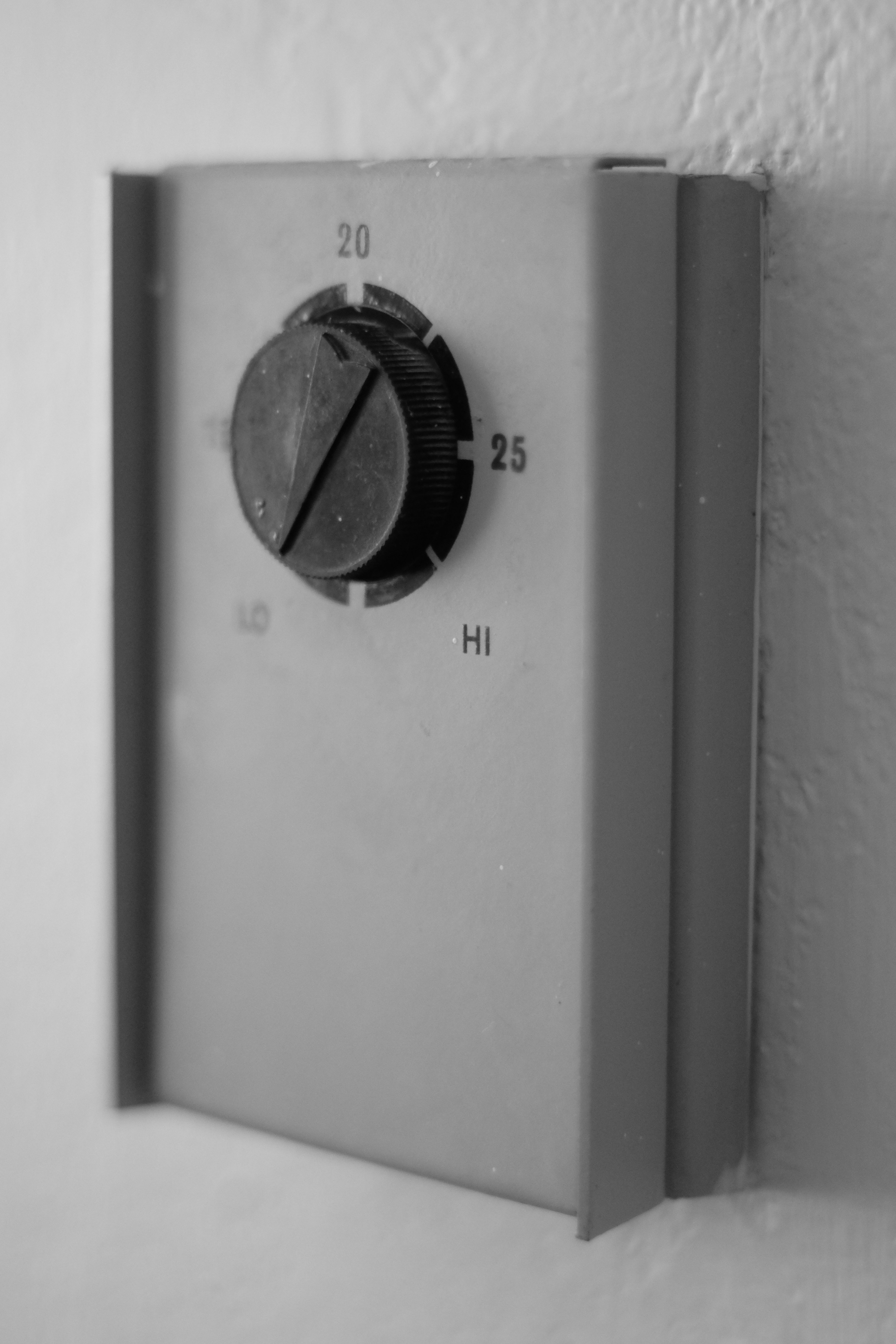
Smart Thermostat Installation in View Park-Windsor Hills, CA
Upgrading to a smart thermostat is one of the most effective ways to reduce energy bills, improve home comfort, and add remote control to your heating and cooling system. In View Park-Windsor Hills, CA, where mild winters and warm summers mean frequent air conditioning use, a properly installed smart thermostat adapts to local climate patterns and daily routines to keep your home comfortable while lowering energy waste. This page explains what to expect from smart thermostat installation, how compatibility is verified, the setup process, integration with smart home platforms, tips to maximize savings, and common support solutions for local homes.
Why install a smart thermostat in View Park-Windsor Hills
- Remote control for on-the-go temperature adjustments when you are away from your Ladera Heights area office or traveling.
- Learning schedules and adaptive features reduce runtime during mild shoulder seasons and adjust automatically during heat events.
- Energy savings from optimized setpoints and targeted scheduling in a region with seasonal AC demand.
- Integration with voice assistants and smart home systems to streamline daily routines across devices.
Common smart thermostat upgrade reasons in View Park-Windsor Hills homes
- Old mechanical or basic digital thermostats that lack scheduling or remote access.
- High summer cooling use driving up monthly bills.
- Desire for compatibility with Alexa, Google Assistant, or Apple HomeKit.
- Need for better climate control across multiple levels or zones in older Southern California houses.
- Participation in energy efficiency efforts that reward load reduction during peak periods.
Compatibility checks for View Park-Windsor Hills HVAC systems
Before installation, a compatibility check ensures your thermostat will work reliably with your HVAC equipment. Typical items inspected include:
- HVAC type: central air conditioner with a furnace or air handler, heat pump systems, or multi-stage systems. Most smart thermostats support single-stage and many support multi-stage and heat pumps, but models vary.
- Wiring: presence of a common wire or C-wire is important for many smart thermostats. If a C-wire is absent, options include installing a C-wire, using a compatible adapter, or choosing a thermostat model that supports alternative power solutions.
- Voltage: most home thermostats use low-voltage (24V) control. High-voltage systems such as line-voltage baseboard heating are not compatible with standard smart thermostats.
- Zoning and accessory controls: if your home uses multiple zones, humidifiers, or dehumidifiers connected to thermostat terminals, compatibility and configuration must be verified.
These checks prevent post-install issues and ensure the smart thermostat can control your system without safety or performance compromises.
Installation and setup process
A professional smart thermostat installation follows an organized process so your system is safe, reliable, and fully functional.
- Pre-install inspection: confirm wiring, HVAC compatibility, Wi-Fi availability, and any accessory circuits.
- Power down the HVAC system at the breaker to ensure safe wiring changes.
- Remove the old thermostat and document wire labels and terminal assignments.
- Mount the new thermostat base, route and connect wires to the correct terminals, and attach the display.
- Apply power, perform initial self-tests, and verify the thermostat communicates with the HVAC equipment.
- Complete on-device setup: choose HVAC type, set temperature calibration if needed, and enable basic scheduling.
- Connect the thermostat to your home Wi-Fi network and update firmware if prompted.
- Final verification: run heating and cooling cycles to confirm proper operation and thermostat response.
The process typically takes under two hours for standard installations. Multi-zone or accessory heavy systems can require more time for configuration.
App configuration and smart home integration
Smart thermostat value extends through the mobile app and platform integrations that let you control comfort and monitor usage.
- Account setup: create or sign into the thermostat maker’s app to access remote control, scheduling, and energy reports.
- Wi-Fi connection: most installs require a reliable 2.4 GHz or dual-band Wi-Fi network. Some models support 5 GHz networks.
- Voice assistants: integrate with Alexa, Google Assistant, or Apple HomeKit for voice temperature control and inclusion in smart routines.
- Routines and scenes: use app routines to combine thermostat adjustments with lighting and security events for arrivals, departures, and sleep modes.
- Energy reports and insights: review historical usage, receive alerts for unusual runtime, and get recommendations to improve efficiency.
App configuration also includes privacy and sharing preferences if multiple household members will control the thermostat.
Tips for maximizing savings and comfort in View Park-Windsor Hills
- Use conservative setpoints during summer. Each degree higher setpoint for cooling can reduce runtime significantly.
- Enable learning modes only after several weeks so the thermostat can build an accurate occupancy profile for your household.
- Take advantage of smart away or geofencing so the system reduces conditioning when no one is home and resumes comfort before arrival.
- Schedule temperature setbacks at night or during work hours to cut unnecessary runtime without affecting comfort.
- Pair thermostat scheduling with regular HVAC maintenance. A clean filter and properly charged AC system amplifies thermostat efficiency.
- Use vacation mode for extended trips to minimize energy use without losing humidity control or system health.
- Monitor energy reports to identify days with excessive runtime that may indicate duct leaks, insulation issues, or a misconfigured thermostat.
Seasonal considerations: during occasional Los Angeles heat waves, pre-cooling in the morning and avoiding extreme setpoint changes during peak utility hours helps preserve system performance and comfort.
Troubleshooting and support options
Common issues and straightforward solutions homeowners in View Park-Windsor Hills encounter:
- No power at thermostat: check breaker and furnace switch. If a C-wire is missing, a common wire adapter or rewire may be needed.
- Thermostat not connecting to Wi-Fi: verify network name and password, switch to 2.4 GHz if model requires it, and ensure the router is in range.
- HVAC not responding: confirm terminal wiring matches the documented setup and run manual on-device HVAC tests.
- Inaccurate temperature readings: ensure thermostat is mounted away from direct sunlight, interior heat sources, or exterior walls that skew readings.
- Voice assistant integration fails: reauthorize the thermostat account in the voice assistant app and ensure both devices are on the same network.
Support options typically include remote troubleshooting through the app, firmware updates, configuration help for integrations, and on-site diagnostics for wiring or system performance issues. Firmware and app updates periodically add features and improve reliability.
Why a smart thermostat makes sense for View Park-Windsor Hills homes
Smart thermostat installation delivers measurable benefits for local homeowners: lower energy use during mild and hot periods, better remote control and convenience, and seamless integration with popular smart home platforms. Proper compatibility checks and professional-grade installation ensure reliable operation with central AC, heat pumps, and multi-stage systems common in the area. With app-based insights and routine automation, your home heating and cooling can run smarter, respond to local climate patterns, and support efficient, comfortable living in View Park-Windsor Hills, CA.
Customer
Testimonials
Our customers consistently praise the exceptional service and professionalism of our team. They appreciate the honest advice, meticulous work, and the care taken to ensure their satisfaction.

.webp)
Service Areas
