

Ventilation in Valley Village, CA

Valley Village, CA ventilation planning emphasizes balanced methods that improve indoor air quality, reduce humidity, and enhance comfort. The page covers exhaust, supply, and balanced approaches, with ERV and HRV options tailored to humidity and conditions. It details assessment, airflow testing, and code considerations, plus installation, retrofit strategies, and maintenance practices. Readers learn how to select appropriate fans, locate intakes away from pollutants, and balance flows for neutral pressure while prioritizing filtration, safety, and energy efficiency for Valley Village homes.
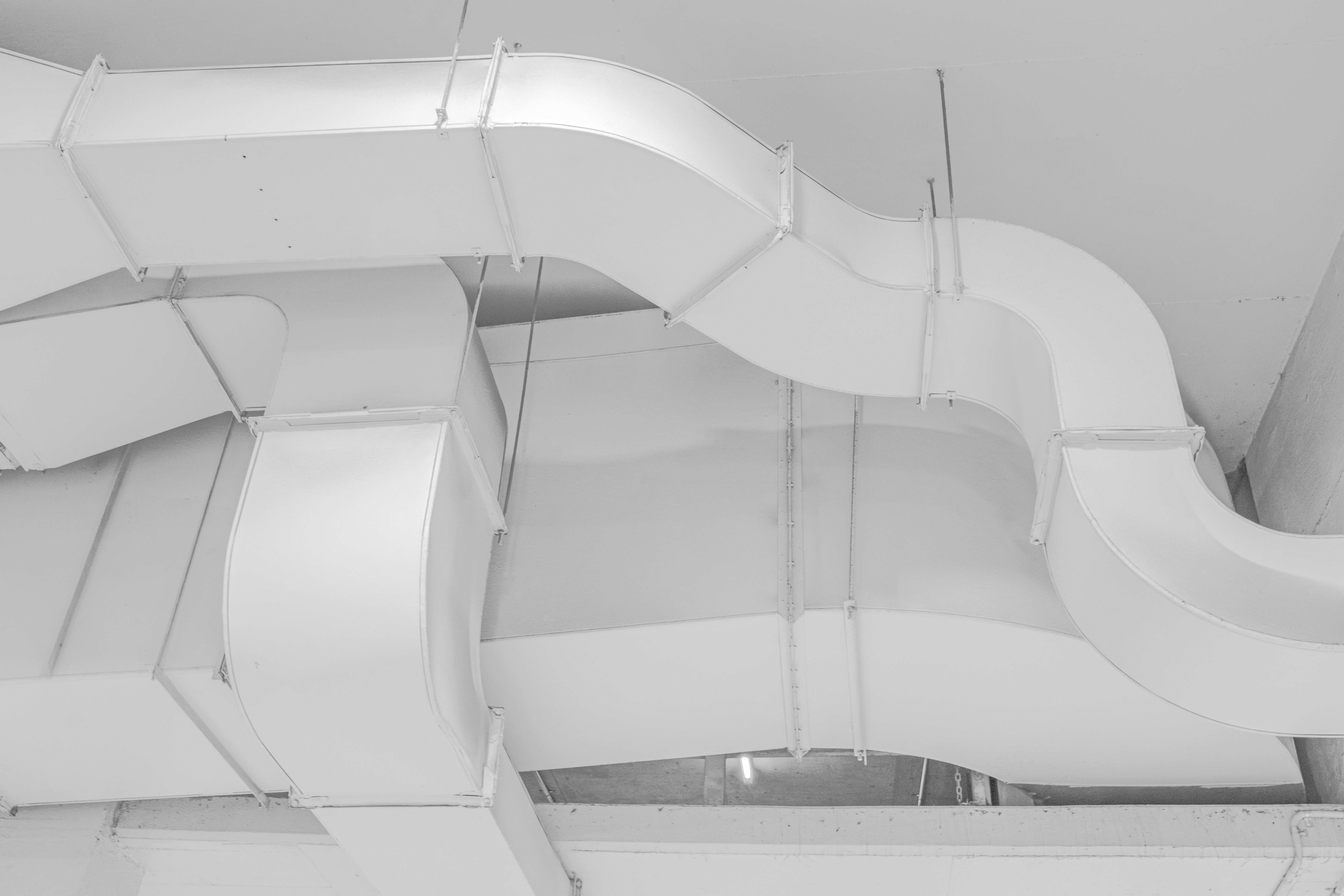
Ventilation in Valley Village, CA
Proper ventilation is one of the most important yet often overlooked upgrades you can make to a Valley Village, CA home. With hot San Fernando Valley summers, periodic wildfire smoke, and older midcentury construction that often lacks modern airflow design, homeowners face indoor heat buildup, lingering odors, moisture in bathrooms and kitchens, and compromised indoor air quality. This page explains whole-house ventilation, ERV/HRV options, exhaust and supply fan choices, assessment and airflow testing, code and energy considerations, installation and retrofit approaches, and practical maintenance tailored to Valley Village homes.
Why balanced ventilation matters in Valley Village homes
Balanced ventilation delivers controlled fresh air while removing stale, humid, or polluted air. In Valley Village this means:
- Improved indoor air quality during wildfire smoke events and Santa Ana dust episodes by enabling filtration and controlled fresh air entry.
- Reduced indoor humidity and mold risk in kitchens and bathrooms, especially in homes with poor exhaust or limited attic ventilation.
- More consistent comfort during hot summers by preventing heat and moisture buildup in living spaces and attics.
- Safer combustion appliance operation by avoiding depressurization that can lead to backdrafting of gas appliances.
Common ventilation issues in Valley Village, CA
- Inadequate whole-house ventilation in older bungalows and multiunit buildings built before modern codes.
- Over-reliance on air conditioning without fresh-air exchange, leading to stale or polluted indoor air.
- No or undersized bathroom and kitchen exhaust fans, causing moisture and odor problems.
- Unsealed ducts and leaky attics that reduce system effectiveness and waste energy.
- Lack of filtration or heat recovery to address outdoor smoke and pollutants.
Types of ventilation systems and which works best here
- Exhaust-only systems: Simple and lower cost, they expel indoor air and rely on infiltration for makeup air. Good for spot ventilation but can create negative pressure and pull in outdoor pollutants or combustion gases.
- Supply-only systems: Force fresh air into the home, useful when outdoor air quality is good, but they can pressurize the house and push pollutants into attics or walls unless balanced.
- Balanced ventilation (recommended): Uses a pairing of supply and exhaust fans or a mechanical ventilator to control airflow precisely. Balanced approaches are the best option in Valley Village because they allow filtration and prevent depressurization.
- ERV (Energy Recovery Ventilator) vs HRV (Heat Recovery Ventilator):
- HRV transfers sensible heat between outgoing and incoming air. Best when temperature differences are large.
- ERV transfers both heat and moisture, which helps in Valley Village where humid coastal air and dry inland air mix seasonally. ERVs are often preferred here because they help control indoor humidity during milder winters and humid summer nights while retaining energy.
- Decentralized vs centralized whole-house systems: Centralized systems integrate with existing HVAC ductwork for uniform distribution. Decentralized units can be wall- or ceiling-mounted in individual rooms for targeted ventilation where ducts are impractical.
Assessment and airflow testing for Valley Village homes
A proper ventilation plan begins with a thorough assessment:
- Visual inspection of existing exhaust fans, kitchen range hoods, ductwork, attic and crawlspace access, and combustion appliances.
- Measurement of home leakage and ventilation needs using blower door testing when appropriate to size mechanical ventilation to the home’s air tightness.
- Airflow testing with balometer or anemometer to verify CFM of fans and total whole-house ventilation rates per occupant and square footage.
- Indoor air quality checks for VOCs, CO2, particulate matter during smoke season, and humidity monitoring to justify ERV/HRV selection.
- Review of local site conditions such as prevailing wind, nearby smoke exposure routes, and neighbor sources of pollutants.
Code and energy considerations
- Ventilation requirements in California are guided by national standards like ASHRAE 62.2 and state energy rules such as Title 24. These standards set minimum ventilation rates based on home size and occupancy and inform energy tradeoffs for mechanical systems.
- Energy recovery ventilators and properly sized, controlled fans can substantially reduce the energy penalty of bringing in outdoor air compared with uncontrolled ventilation.
- Duct sealing, insulation, and correct fan sizing are critical to meet code, maximize efficiency, and prevent unwanted heat gain or loss.
- Filtration and controlled intake locations reduce introduction of wildfire smoke, pollen, and vehicle emissions common during high-pollution days in the Valley.
Installation and retrofit processes
- Planning: Determine target ventilation rate, choose ERV/HRV vs other options, and locate intake/exhaust with attention to local pollution sources and roof geometry.
- Ducting and integration: Central systems usually tie into existing HVAC ductwork with dedicated inline fans and recovery cores. Retrofit options include through-wall ERV units or decentralized fans when ducts are limited.
- Balancing: Proper commissioning includes measuring and balancing supply and exhaust flows to achieve neutral pressure and even distribution.
- Filtration and intake placement: Locate intakes away from driveways, neighbor exhausts, or HVAC condensers. Use MERV-rated filtration compatible with the ventilator.
- Combustion safety: When adding ventilation, check combustion appliance zones, flue drafts, and install or test carbon monoxide detection where needed.
- Typical retrofit challenges in Valley Village: limited attic access in older homes, narrow wall cavities, and need to coordinate with roofing or siding work for intake/exhaust penetrations.
Maintenance and ongoing performance tips
- Replace or clean filters according to manufacturer guidance, and increase maintenance frequency during wildfire season.
- Inspect ERV/HRV cores annually for dust buildup and clean or replace as recommended.
- Check fan housings, belts, and bearings for wear and noise; verify CFM with a handheld meter after any servicing.
- Keep intake screens clear of leaves and debris; relocate intake if nearby construction or landscaping becomes a pollution source.
- Periodically re-test whole-house ventilation rates after major renovations or HVAC changes to ensure continued compliance with code and performance expectations.
Benefits you can expect
- Better indoor air quality during wildfire smoke and high-ozone days common to the region.
- Controlled humidity that reduces mold risk in bathrooms and kitchens.
- More consistent indoor comfort with less reliance on cooling systems to remove trapped heat.
- Energy-conscious fresh air through heat and moisture recovery that reduces HVAC load.
- Safer operation of combustion appliances and fewer odor and VOC issues.
Balanced whole-house ventilation, especially ERV systems in the Valley Village climate, provides a practical path to healthier, more comfortable, and energy-efficient homes. Assessment and proper commissioning are the keys to achieving the performance you need, and routine maintenance keeps systems delivering clean air through every season.
Customer
Testimonials
Our customers consistently praise the exceptional service and professionalism of our team. They appreciate the honest advice, meticulous work, and the care taken to ensure their satisfaction.

.webp)
Service Areas
