

Thermostat Installation in Valley Village, CA

Thermostat installation services in Valley Village, CA deliver expert setup to enhance comfort, energy efficiency, and HVAC system lifespan. Upgrading from older thermostats provides access to advanced options such as programmable, digital non-programmable, smart, and zoned controllers designed for multi-zone homes. Professional technicians address common concerns like power interruptions, inaccurate readings, and connectivity issues by performing detailed compatibility checks, wiring verification, and airflow assessments. The installation process includes safely shutting off power, labeling and connecting wires, mounting the new unit, testing functionality, and providing user training. With warranty coverage and ongoing support, homeowners gain precise temperature control, improved energy management, and long-term system reliability.
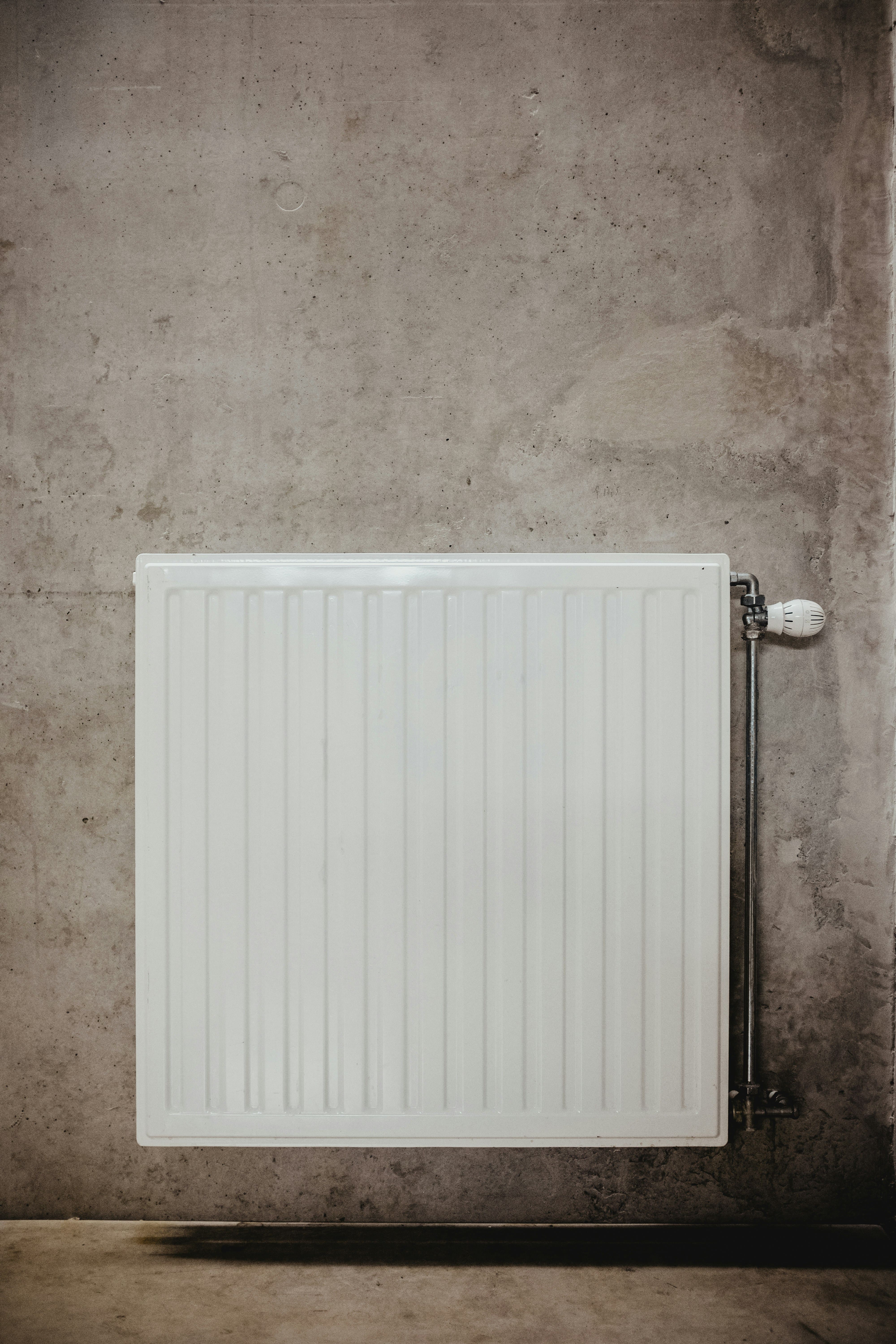
Thermostat Installation in Valley Village, CA
Upgrading or replacing a thermostat is one of the most effective ways to improve comfort and energy efficiency in Valley Village homes. With hot summers and mild, variable winters, residents rely on precise temperature control to keep cooling and heating systems running efficiently. Whether you are switching from a basic dial unit to a smart thermostat or replacing a failing digital controller, professional thermostat installation in Valley Village, CA ensures compatibility with your HVAC system, correct wiring, and reliable setup for daily use.
Why a properly installed thermostat matters in Valley Village
- Valley Village experiences long cooling seasons and occasional heat waves, making accurate temperature control essential to comfort and to avoiding excessive energy bills.
- Older homes and multi-family buildings in the area often have outdated thermostats or inconsistent wiring, which can cause short cycling, uneven cooling, or communication errors with modern HVAC equipment.
- A properly configured thermostat reduces wear on your system by preventing constant on-off cycles, optimizing runtime, and enabling smarter scheduling.
Types of thermostats and which suits Valley Village homes
- Programmable thermostats: Allow you to set multiple schedules for weekdays and weekends. Best for homeowners who have predictable occupancy patterns and want automatic temperature setbacks during work hours or overnight.
- Digital non-programmable thermostats: Simple, reliable, and more accurate than old mechanical dials. Good for renters or homes where manual adjustment is preferred.
- Smart thermostats: WiFi-enabled units with learning capabilities, remote control, geofencing, and integration with voice assistants. Ideal for Valley Village homes where occupants want energy savings, detailed usage reports, and the ability to adjust settings from anywhere.
- Zonal and multi-stage controllers: For larger or multi-zone systems common in some Valley Village residences, zonal thermostats manage different temperature needs across rooms or floors.
Common thermostat issues in Valley Village and what to expect
- No power or intermittent power: Often caused by missing or inadequate C-wire, blown fuse in the control board, or battery failure in battery-backed units.
- Incorrect temperature readings: Thermostat location near windows, direct sunlight, or heat-generating appliances can cause inaccurate control.
- Short cycling or constant running: Frequently due to improper calibration, incompatible thermostat type, or wiring errors.
- Connectivity problems with smart models: Weak WiFi, router placement, or network settings can prevent remote features from working properly.
System compatibility checks before installation
A crucial step in any thermostat installation is verifying compatibility with your HVAC equipment. The standard checks include:
- Identifying system type: forced air, heat pump, gas furnace, electric heat, or multi-stage equipment. Each requires specific thermostat functionality.
- Verifying wiring: Confirm presence and condition of R, C, W, Y, G, and popular O/B wires for heat pumps. Many smart thermostats need a C-wire for reliable power.
- Inspecting control board and transformer: Ensure the control system can safely accept a modern thermostat and that the transformer supplies standard voltage.
- Assessing zoning and multiple thermostats: Determine whether the home has dampers, zone control boards, or multiple thermostats that must be coordinated.
Installation and wiring process explained
- Turn off power: All work begins by switching off HVAC power at the breaker to protect equipment and installers.
- Remove the old thermostat: Carefully document wire labels and take photos of the wiring layout to ensure accurate reconnection.
- Mount the new thermostat base: Position the thermostat away from direct sunlight, drafts, and exterior doors for the best temperature sensing.
- Connect wires: Attach labeled wires to the corresponding terminals. If a C-wire is missing, options include using an adapter, running a new conductor from the furnace, or selecting a thermostat model that supports alternative power options.
- Secure wiring and finish mounting: Tidy the wiring and secure the thermostat to the wall plate for a professional appearance.
Post-installation testing and user setup
- Power up and initial system test: Verify that heating and cooling commands activate the correct equipment and that the system responds without error.
- Sequence testing: Run through heat and cool cycles to ensure proper staging, especially on multi-stage or heat pump systems.
- WiFi and app configuration: For smart thermostats, connect to the home network, register the device, and ensure remote control features function.
- User training: Walkthrough basic controls, scheduling, and energy-saving modes so occupants can confidently manage their thermostat.
- Final diagnostics: Check for error codes, confirm sensor readings, and document settings for future reference.
Popular models and features suited for Valley Village
- Learning thermostats that adapt to household patterns for maximum efficiency on long cooling seasons.
- Geofencing and remote access to reduce HVAC runtime when the home is unoccupied.
- Humidity control and alerts for indoor air quality tuning, valuable during humid or transitional weather.
- Compatibility with multi-stage and heat pump systems for homes with more complex HVAC setups.
- Energy usage reports and integration with local utility programs for potential rebate participation.
Warranty and support after installation
Professional installations should include warranty coverage for the thermostat device and workmanship. Typical support offerings include:
- Manufacturer warranty: Coverage for defects and hardware failures as specified by the device maker.
- Installation workmanship guarantee: Protection against installation-related issues such as incorrect wiring or improper setup, usually valid for a defined period after the service.
- Post-installation support: Assistance with app pairing, schedule adjustments, or troubleshooting connectivity and control problems.
- Guidance on firmware updates and recommended maintenance intervals to keep the thermostat and HVAC system working smoothly.
Long-term benefits and maintenance tips
- Energy savings and predictability: A correctly installed thermostat optimizes system runtime, which is especially beneficial during Valley Village cooling seasons.
- Improved comfort and longer equipment life: Reduced cycling and precise control reduce strain on HVAC components.
- Simple maintenance: Replace thermostat batteries annually if applicable, keep the unit free of dust, and review schedules seasonally.
- Check wiring during other HVAC service visits: Have wiring and control boards inspected during regular HVAC maintenance to prevent future compatibility issues.
A professional thermostat installation in Valley Village, CA addresses system compatibility, correct wiring, and user setup to deliver reliable comfort and better energy management. With the right thermostat type and a thorough installation, Valley Village homeowners can expect improved control, fewer HVAC issues, and clearer insights into household energy use.
Customer
Testimonials
Our customers consistently praise the exceptional service and professionalism of our team. They appreciate the honest advice, meticulous work, and the care taken to ensure their satisfaction.

.webp)
Service Areas
