

Ventilation in Thousand Oaks, CA

Thousand Oaks ventilation services deliver tailored solutions to control humidity, improve indoor air quality, and reduce wildfire smoke and odors. The guide explains why moisture management, smoke filtration, odor control, and pressure balance matter for local homes, identifies common issues, and outlines options such as exhaust fans, supply fans, and ERV/HRV systems. It covers assessment, installation steps, energy codes, and maintenance, and matches solutions to building type—from single-family homes to multi-family buildings—emphasizing safety, efficiency, and occupant comfort.
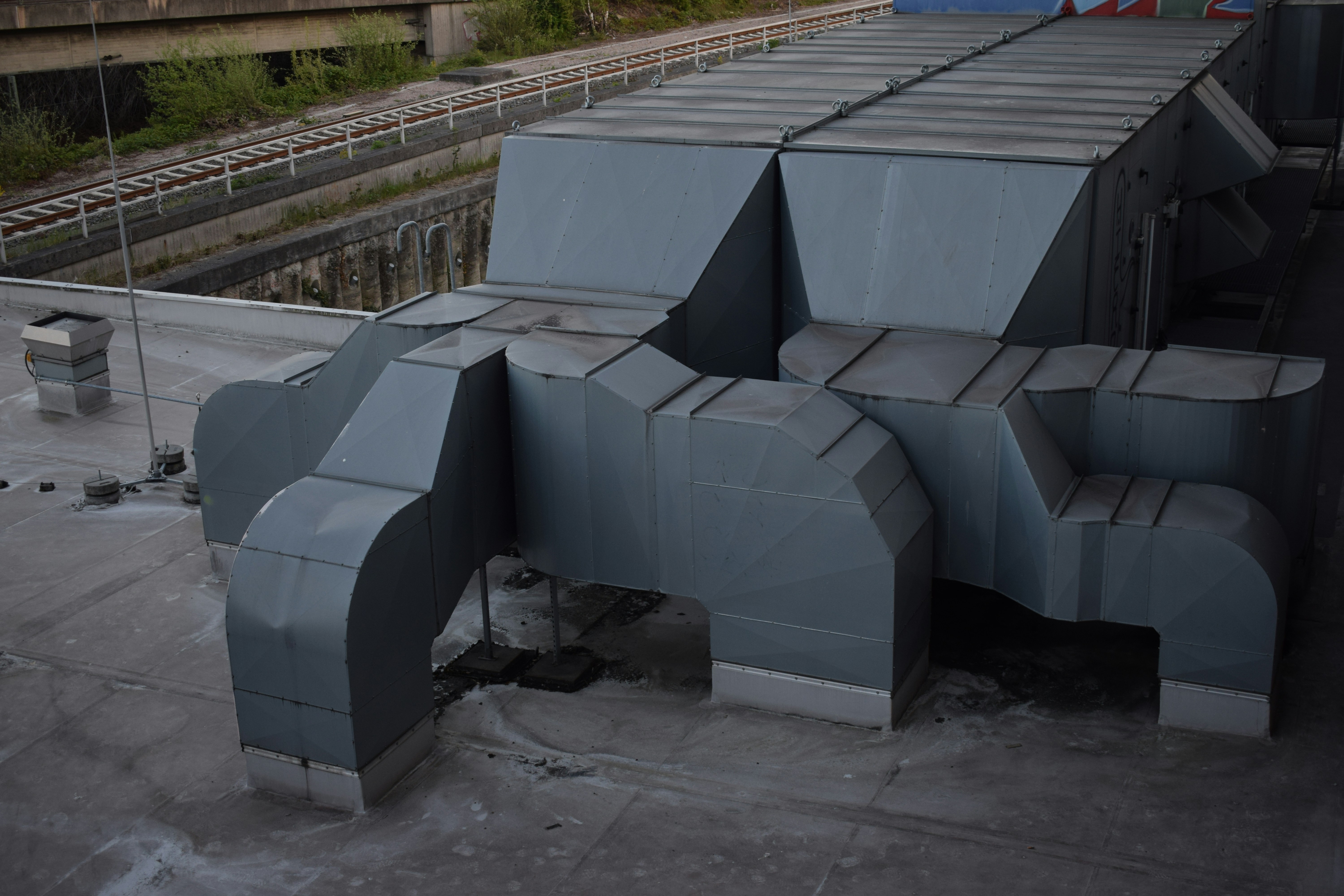
Ventilation in Thousand Oaks, CA
Proper home ventilation in Thousand Oaks, CA is essential for controlling moisture, improving indoor air quality, and protecting your home from dust, smoke, and mold. With the region's Mediterranean climate, periodic Santa Ana winds, and seasonal wildfire smoke, tailored ventilation solutions—ranging from spot exhaust fans to balanced ERV/HRV systems—deliver measurable health and comfort benefits for local homes.
Why ventilation matters in Thousand Oaks homes
- Moisture control: Bathrooms, kitchens, and laundry areas generate humidity that can lead to condensation, mold growth, and rot if not exhausted properly. Even in Southern California’s relatively dry climate, localized moisture problems are common in poorly ventilated spaces.
- Smoke and particulate reduction: Wildfire smoke and dust from Santa Ana winds can dramatically degrade indoor air quality. Balanced systems with filtration help limit infiltration and remove fine particles.
- Odor and pollutant management: Cooking, cleaning products, and off-gassing building materials accumulate without adequate fresh air exchange.
- Combustion safety and pressure balance: Unbalanced ventilation can create negative pressure that causes backdrafting of gas appliances. Properly designed systems maintain safe pressure relationships.
Common ventilation issues in Thousand Oaks
- Inadequate exhaust in bathrooms or kitchens, causing ongoing moisture and mold
- Leaky, uninsulated ducts that reduce ventilation effectiveness and waste energy
- Homes with little fresh-air intake that smell stale or feel stuffy
- Poor filtration or no controlled ventilation, leaving homes exposed during wildfire events
- Negative or positive pressure imbalances that affect combustion appliances and comfort
Whole-home and local ventilation options
- Exhaust fans (bathrooms, kitchens, laundry): Simple, cost-effective for removing source moisture and odors. Look for high-flow, quiet fans sized to local needs.
- Supply fans: Introduce filtered fresh air to reduce negative pressure and control where outdoor air enters.
- Balanced systems (ERV/HRV):
- ERV (Energy Recovery Ventilator): Transfers both heat and moisture between outgoing and incoming air. Often a strong choice in Thousand Oaks where humidity control matters seasonally.
- HRV (Heat Recovery Ventilator): Transfers heat only; useful in homes where moisture transfer is not desired.
- In-line and central fans: For larger homes or complex duct systems, in-line fans provide stronger, quieter whole-house ventilation.
- Demand-controlled ventilation: Uses humidity or CO2 sensors to reduce energy use while delivering fresh air when needed.
Assessment and ductwork evaluation process
A professional ventilation assessment typically includes:
- Visual inspection of building envelope and common moisture sources.
- Measurement of existing exhaust and supply flows in key rooms (bath, kitchen).
- Ductwork inspection for leaks, insulation, routing, and static pressure.
- Combustion appliance and backdrafting check to verify safe pressure relationships.
- Filtration capability review and evaluation for wildfire smoke events.
- Recommendations matched to building type, occupant needs, and California code considerations.
Duct testing may include simple flow measurements or more formal duct leakage testing. Static pressure and airflow balancing ensure the system performs as designed.
Recommended solutions by building type
- Single-family homes: Balanced ERV system with dedicated bathroom and kitchen exhausts. Integrate with HVAC for filtration and seasonal control.
- Multi-family buildings and condos: Centralized exhaust with building-level supply or individual ERVs per unit depending on layout and code. Address corridor and common-area pressure control.
- Older or leaky homes: Targeted exhaust in wet rooms plus improved sealing and a calibrated supply or ERV to control where fresh air enters.
- New construction: Design for a balanced ventilation system sized to the home that meets California mechanical and energy code requirements from the start.
- Homes prone to wildfire smoke: Balanced systems with MERV-rated or better filtration and the ability to recirculate and filter indoor air during smoke events.
Typical installation steps
- Detailed assessment and equipment selection based on house size, layout, and occupancy.
- System design and ductwork planning to minimize runs and maintain balanced flows.
- Permitting as required by local Thousand Oaks/Ventura County building codes.
- Installation of fans, ERV/HRV cores, ducts, and controls. Where possible, locate equipment to minimize noise and allow easy service access.
- Duct sealing, insulation, and termination (proper attic or roof vents).
- Commissioning: verify airflow rates, balance, and safe pressure relationships; set controls and timers.
- Homeowner briefing on operation and maintenance.
Energy and code considerations
- California building and energy codes require mechanical ventilation in many residential scenarios and drive efficiency standards. Proper selection of fans and recovery ventilators reduces net heating and cooling load.
- ERVs and HRVs recover energy from exhausted air, lowering HVAC runtime and energy use while maintaining indoor air quality.
- Look for low-wattage, high-efficiency fans and systems sized to deliver the right airflow without overventilating.
- Controls matter: intermittent vs continuous ventilation, timers, and demand controls (humidity/CO2) can optimize comfort and energy use.
Maintenance recommendations for long-term performance
- Replace or clean filters every 3 to 12 months depending on use and smoke exposure.
- Inspect and clean ERV/HRV cores annually; some environments require more frequent attention.
- Check condensate drains and traps for clogs seasonally.
- Verify fan operation and airflow annually; re-balance after any HVAC upgrades or major duct changes.
- Keep exterior intake and exhaust terminations clear of debris and pests.
Expected outcomes for Thousand Oaks homes
When properly designed and maintained, improved ventilation delivers:
- Lower indoor humidity in wet rooms and reduced mold risk
- Fewer odors, reduced VOC accumulation, and fresher indoor air
- Reduced infiltration of wildfire smoke and outdoor particulates when paired with good filtration
- Safer operation of combustion appliances due to controlled pressure balance
- Better comfort and potentially lower energy bills thanks to heat recovery and properly sized, efficient fans
Proper ventilation is a long-term investment in indoor air quality and home durability. For Thousand Oaks homes, matching the right mix of local spot ventilation, balanced whole-house systems, and filtration creates healthier indoor environments well suited to regional climate and air-quality challenges.
Customer
Testimonials
Our customers consistently praise the exceptional service and professionalism of our team. They appreciate the honest advice, meticulous work, and the care taken to ensure their satisfaction.

.webp)
Service Areas
