

Thermostat Repair in Thousand Oaks, CA

Thermostat repair in Thousand Oaks helps homeowners maintain comfort and energy efficiency amid seasonal swings and air-quality events. This page outlines common repair issues, from blank displays and inaccurate readings to connectivity problems and short cycling, and explains a professional diagnostic process that identifies root causes. It also covers typical repair options, expected service times, preventative tips, and criteria for when replacement is more cost-effective, emphasizing reliable operation and long-term energy savings. Trusted local technicians provide clear guidance for Thousand Oaks residents.
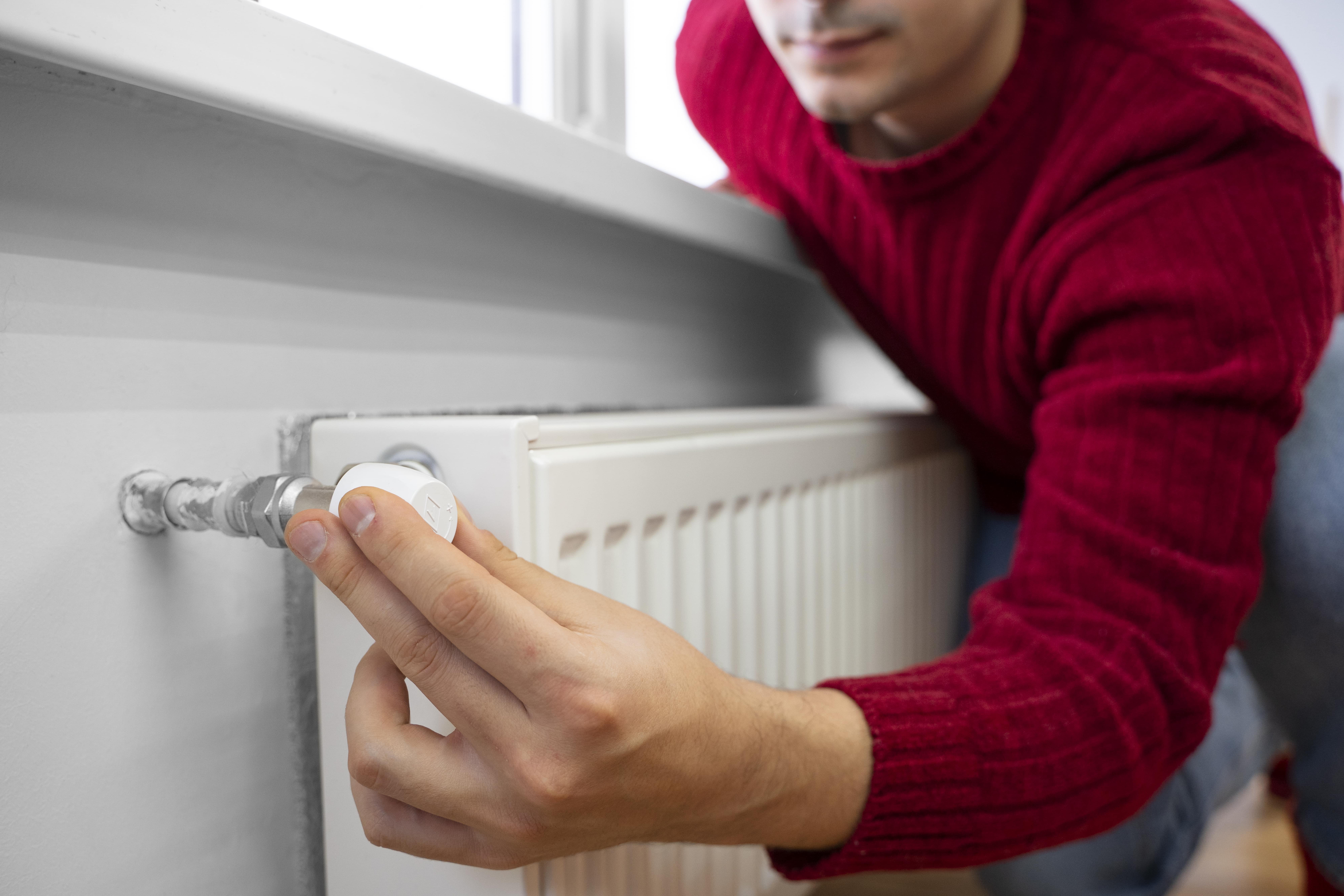
Thermostat Repair in Thousand Oaks, CA
A properly functioning thermostat is the control center for your home comfort and energy use. In Thousand Oaks, CA, where inland heat, cool coastal evenings, and seasonal air-quality events change how homeowners use heating and cooling, a faulty thermostat can mean uneven temperatures, higher utility bills, and unnecessary wear on your HVAC system. This page explains common thermostat issues in Thousand Oaks homes, how professional diagnostics and repairs work, what to expect from service visits, preventive steps to reduce repeat problems, and clear guidance on when replacement is the smarter long-term choice.
Why thermostat repair matters in Thousand Oaks
Thousand Oaks experiences warm summers and cooler nights, which leads many homes to cycle between cooling and heating more than in milder coastal zones. Dust from dry spells and occasional wildfire smoke can infiltrate HVAC systems and affect sensor accuracy. A malfunctioning thermostat can cause short cycling, uneven comfort between rooms, or inability to respond to temperature changes — all of which impact comfort and energy efficiency. Timely thermostat repair restores control, reduces strain on equipment, and helps maintain predictable indoor temperatures.
Common thermostat repair issues in Thousand Oaks
Homeowners typically schedule thermostat repair for these recurring problems:
- No display or dead thermostat: Screen is blank, buttons don’t respond, or thermostat appears powered off.
- Inaccurate temperature reading: Room feels warmer or cooler than the thermostat indicates.
- Control failures: Thermostat will not call for heat or cooling, or commands are ignored by the HVAC system.
- Rapid cycling or short cycling: HVAC equipment turns on and off frequently.
- Unresponsive touchscreen or buttons: Inputs are delayed or ignored.
- Wifi or smart thermostat connectivity problems: Device won’t connect to the home network or app, causing schedule and remote-control failures.
- Erratic behavior after battery replacement: Device behaves inconsistently following a battery change or power interruption.
How professional diagnostics work
A professional thermostat repair service follows a systematic diagnostic process to identify the root cause quickly and accurately:
- Visual and power check
Confirm power source, battery condition, breaker status, and display health. A blank screen often indicates a power issue rather than a full replacement need. - Communication check with HVAC equipment
Verify that the thermostat is sending the correct signals (heat/cool/fan) to the furnace, air handler, or condensing unit. This isolates control issues from mechanical equipment faults. - Sensor and location assessment
Measure actual room temperature near the thermostat and compare to the thermostat reading. Check for external influences like direct sunlight, drafts, or nearby appliances that skew readings. - Wiring inspection and continuity testing
Inspect thermostat wiring at the wall and the HVAC control board for loose connections, corrosion, or rodent damage. Test wire continuity to rule out hidden breaks. - Software, settings, and calibration review
For programmable and smart thermostats, check scheduling, software firmware, and calibration settings. Recalibrate temperature sensors and reset configurations if needed. - System-level testing
Run controlled calls for heating and cooling and observe system response, looking for delays, failures to engage, or short cycling behavior.
This step-by-step approach ensures repairs address the underlying cause rather than a symptom, which reduces repeat service visits.
Common repairs and replacement options
Repairs are tailored to the diagnosed issue. Typical solutions include:
- Power restorations and battery replacements for dead or dim displays.
- Wiring repairs: Re-seating terminals, replacing frayed or corroded wires, and securing proper connections at the control board.
- Sensor replacement or relocation to avoid skewed readings caused by sunlight, drafts, or nearby heat sources.
- Calibration and software updates for programmable and smart thermostats to restore accurate control and correct scheduling or connectivity issues.
- Component replacement: Replacing a failed relay, display module, or internal circuit board when repair is not viable.
- Upgrades to compatible thermostats: If current wiring or system compatibility restricts functionality, installing a compatible digital or smart thermostat may be advised.
Parts are chosen for compatibility with your HVAC equipment and local environmental conditions, including thermostats rated for California climate variability.
Expected service time and what affects it
Typical diagnostic and repair visits take between 30 minutes and 2 hours depending on the complexity. Factors that extend service time include:
- Difficulty accessing the HVAC control board or attic units.
- Extensive wiring damage requiring longer runs or conduit work.
- Complex smart thermostat network troubleshooting and firmware updates.
- Need for part ordering if a specific replacement component is not stocked.
Most repairs are completed during the initial visit when parts and wiring are straightforward. If replacement components must be ordered, technicians will document findings and recommend the best next steps.
Preventative tips to avoid repeat thermostat problems
Maintain reliable thermostat function with these practical steps:
- Replace thermostat batteries at least once a year or when the low-battery indicator appears.
- Keep the area around the thermostat clear of furniture, curtains, or direct sunlight that can skew sensor readings.
- Schedule HVAC filter changes and routine system tune-ups to reduce dust buildup that can affect sensors.
- For smart thermostats, maintain a secure and stable home network and update device firmware when prompted.
- Have wiring inspected if you notice insects, rodents, or recent renovations that could disturb wall cabling.
These measures reduce avoidable repairs and help maintain consistent temperature control.
When replacement is recommended
Consider thermostat replacement when:
- Repairs are frequent and the unit is older than 10 years.
- The thermostat lacks compatibility with newer HVAC components or energy-saving controls.
- Sensor or circuit failures are recurring due to age or persistent environmental issues.
- You want better control, zoning capability, or improved energy management with a modern programmable or smart thermostat.
A replacement provides the opportunity to upgrade to models that improve comfort and energy efficiency for Thousand Oaks climate patterns.
Benefits of prompt thermostat repair
Timely repair restores precise temperature control, improves energy efficiency, prevents unnecessary wear on HVAC equipment, and enhances overall comfort. For Thousand Oaks homeowners, reliable thermostat operation means smoother transitions between warm days and cool evenings, better system response during air-quality events, and more predictable energy use year-round. Regular diagnostics and proactive maintenance avoid service interruptions and protect your home comfort investment.
Customer
Testimonials
Our customers consistently praise the exceptional service and professionalism of our team. They appreciate the honest advice, meticulous work, and the care taken to ensure their satisfaction.

.webp)
Service Areas
