

Thermostat Installation in Thousand Oaks, CA

Thermostat installation in Thousand Oaks, CA delivers precise calibration, correct wiring, and system compatibility for reliable year-round comfort. A professional installation supports choosing between basic programmable, advanced digital, and smart thermostats, tailoring features to lifestyle and HVAC complexity. Our process includes compatibility checks, careful wiring and mounting, network setup for smart units, and thorough testing. Timelines range from 45–90 minutes for simple replacements to longer retrofits, followed by documented post-installation support and maintenance tips for ongoing efficiency.
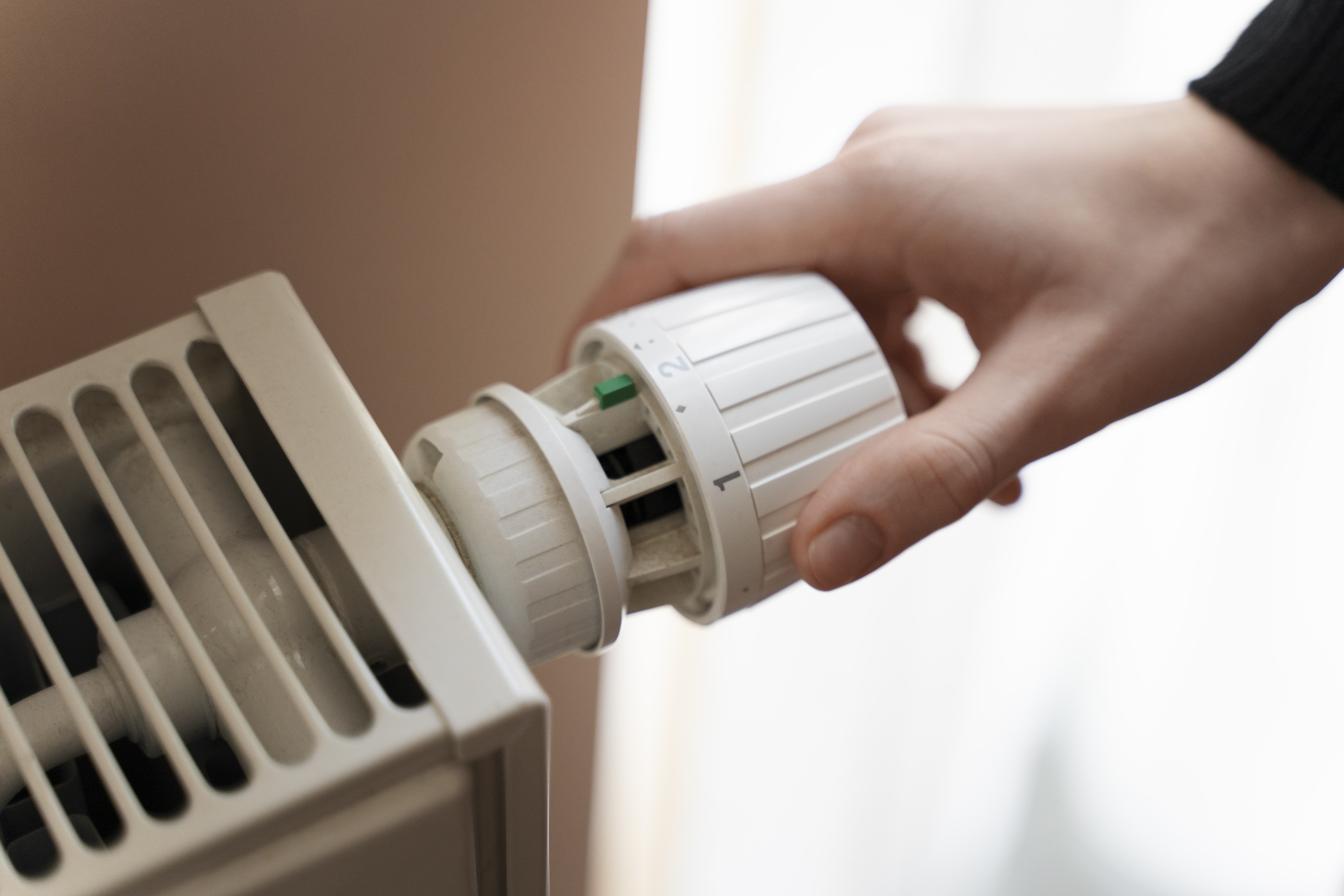
Thermostat Installation in Thousand Oaks, CA
An accurate, well-installed thermostat is one of the fastest ways to improve year-round comfort and lower energy use in Thousand Oaks homes. Whether you are replacing a failing programmable unit or upgrading to an advanced digital or smart thermostat, professional thermostat installation ensures correct system compatibility, reliable wiring and mounting, and precise calibration so your heating, ventilation, and air conditioning (HVAC) system responds exactly as intended.
Why thermostat choice matters in Thousand Oaks, CA
Thousand Oaks has warm, dry summers and cool, occasionally wet winters. Many homes run air conditioning during the hottest months and use heating at night or during cold snaps. Smart thermostats and properly configured controls can:
- Reduce energy use during peak summer days and milder shoulder seasons
- Maintain comfortable nighttime temperatures without wasting energy during the day
- Help manage indoor air exchange when outdoor air quality is affected by wildfire smoke or high pollen counts by coordinating ventilation and filtration with HVAC runtimes
Understanding the right thermostat type for your home and HVAC system is the first step to reliable temperature control.
Common thermostat types and how they compare
- Basic programmable thermostats
- Offer set schedules for weekday/weekend or multiple daily periods.
- Good for straightforward heating/cooling systems with single-stage equipment.
- Low cost and simple interface but limited adaptive features.
- Advanced digital thermostats (non-connected)
- Provide more precise control, better displays, and more scheduling options.
- May include multi-stage support and improved sensor options.
- Suitable when Wi-Fi or app connectivity is not required.
- Smart thermostats (Wi-Fi enabled)
- Offer remote control via smartphone, learning schedules, geofencing, and energy reports.
- Can integrate with home automation and voice assistants.
- Best for homeowners who want automated savings, remote diagnostics, and enhanced zoning control.
Choosing between these depends on lifestyle, desired features, and HVAC complexity. In Thousand Oaks, the energy-management and remote-control benefits of smart thermostats are often valuable because homeowners want comfort during cool evenings and energy savings during hot, sunny afternoons.
System compatibility checks we perform
Before any thermostat is installed, a careful compatibility assessment prevents common failures and ensures safe operation. Typical checks include:
- Identifying HVAC system type: single-stage, multi-stage, heat pump, furnace-only, or package units.
- Verifying control voltage: low-voltage (24V), line-voltage, or millivolt systems.
- Checking for a common (C) wire or alternative power options (power adapters or C-wire modules) for smart thermostats.
- Inspecting existing wiring condition, terminal labels, and number of zones.
- Confirming compatibility with air handlers, two-stage compressors, or conventional heat pumps and auxiliary heat.
- Assessing any existing zoning controls, dampers, or integrated indoor air quality equipment (filters, ERVs).
These compatibility checks reduce installation time and avoid mid-job complications.
Typical thermostat installation process
A professional installation follows a logical sequence so the thermostat performs reliably from day one:
- Initial inspection and labeling
- Turn off HVAC power, remove the old thermostat, and label each wire. Document the current configuration for reference.
- Wiring and mounting
- Repair or replace damaged wires as needed. Install new wall plate or backplate, ensure secure physical mounting, and maintain proper clearance from direct sunlight or drafts.
- Electrical connections
- Terminate wires to the correct terminals, verify secure connections, and confirm C-wire presence if required. For power-limited or line-voltage systems, follow manufacturer wiring diagrams and safety protocols.
- Software and network setup (for smart units)
- Connect the thermostat to the home Wi-Fi, set up user accounts if needed, and link to home automation or voice platforms when requested.
- System configuration
- Program HVAC system type, stage settings, fan control preferences, and any auxiliary heat. Set basic schedules if desired.
- Safety checks and first-run testing
- Power up the system and run heat and cooling cycles to confirm proper operation of compressor, heat strips, gas furnace ignition, and fan control.
Testing and calibration steps
Precise testing ensures temperature readings match the lived experience in Thousand Oaks homes:
- Ambient temperature verification using a calibrated reference thermometer placed near the thermostat location.
- Confirm differential and anticipator settings (where applicable) to prevent short-cycling.
- Validate setpoint response: measure system response when commanding heating and cooling setpoints several degrees apart.
- Check airflow and observe HVAC runtimes to ensure the system reaches target temperatures within expected timeframes.
- For smart thermostats, confirm geofencing, scheduling logic, and any learning features are functioning and that remote access operates from a mobile device.
Estimated timeline
Most residential thermostat installations complete in a single service visit. Typical timelines:
- Simple replacement with existing compatible wiring: often 45–90 minutes.
- Smart thermostat with C-wire installation or adapter: 1.5–3 hours.
- Complex retrofits (zone controls, multiple thermostats, or damaged wiring needing repair): may require additional time or a secondary visit for full integration.
Allowing for system testing and calibration is essential to avoid operational surprises.
Post-installation support and warranty
After installation, clear documentation of thermostat settings and system configuration helps with future troubleshooting. Standard post-installation support typically includes:
- Onsite verification of operation and walk-through of user controls and app features.
- Guidance on recommended temperature ranges and scheduling for local climate patterns.
- Manufacturer warranty details for the thermostat hardware and any separate warranties for installation workmanship. Hardware warranties vary by model; installer workmanship warranties typically cover installation-related issues for a defined period. Keep records of model numbers and serials to expedite warranty service if needed.
Maintenance tips and long-term benefits
- Seasonal checks: verify thermostat accuracy and schedules at the start of heating and cooling seasons.
- Firmware updates: keep smart thermostats updated to maintain security and feature performance.
- Battery maintenance: replace batteries annually if your thermostat relies on them.
- Routine HVAC service: coordinate thermostat adjustments during annual HVAC maintenance to maintain efficiency.
The right thermostat, properly installed and calibrated, delivers consistent comfort, reduces unnecessary HVAC runtime, and improves indoor air control — especially important in Thousand Oaks where summer cooling demand and occasional air-quality events affect how people use their systems.
A professional thermostat installation balances compatibility, safe wiring, correct programming, and thorough testing so your home’s temperature control is dependable and efficient.
Customer
Testimonials
Our customers consistently praise the exceptional service and professionalism of our team. They appreciate the honest advice, meticulous work, and the care taken to ensure their satisfaction.

.webp)
Service Areas
