

Ventilation in South Pasadena, CA

Ventilation services for South Pasadena, CA prioritize healthy indoor air, moisture control, and year-round comfort by combining whole-home and spot ventilation tailored to your home size, layout, and air quality goals. The process addresses common issues like poor exhaust, backdrafting, infiltrated wildfire smoke, uneven airflow, and attic moisture through design, testing, and code-compliant installation. Solutions include centralized ERV/HRV systems, supply or exhaust strategies, spot ventilation, inline fans, and appropriate duct materials with leak-proof joints. This design aligns with Title 24 and ASHRAE 62.2.
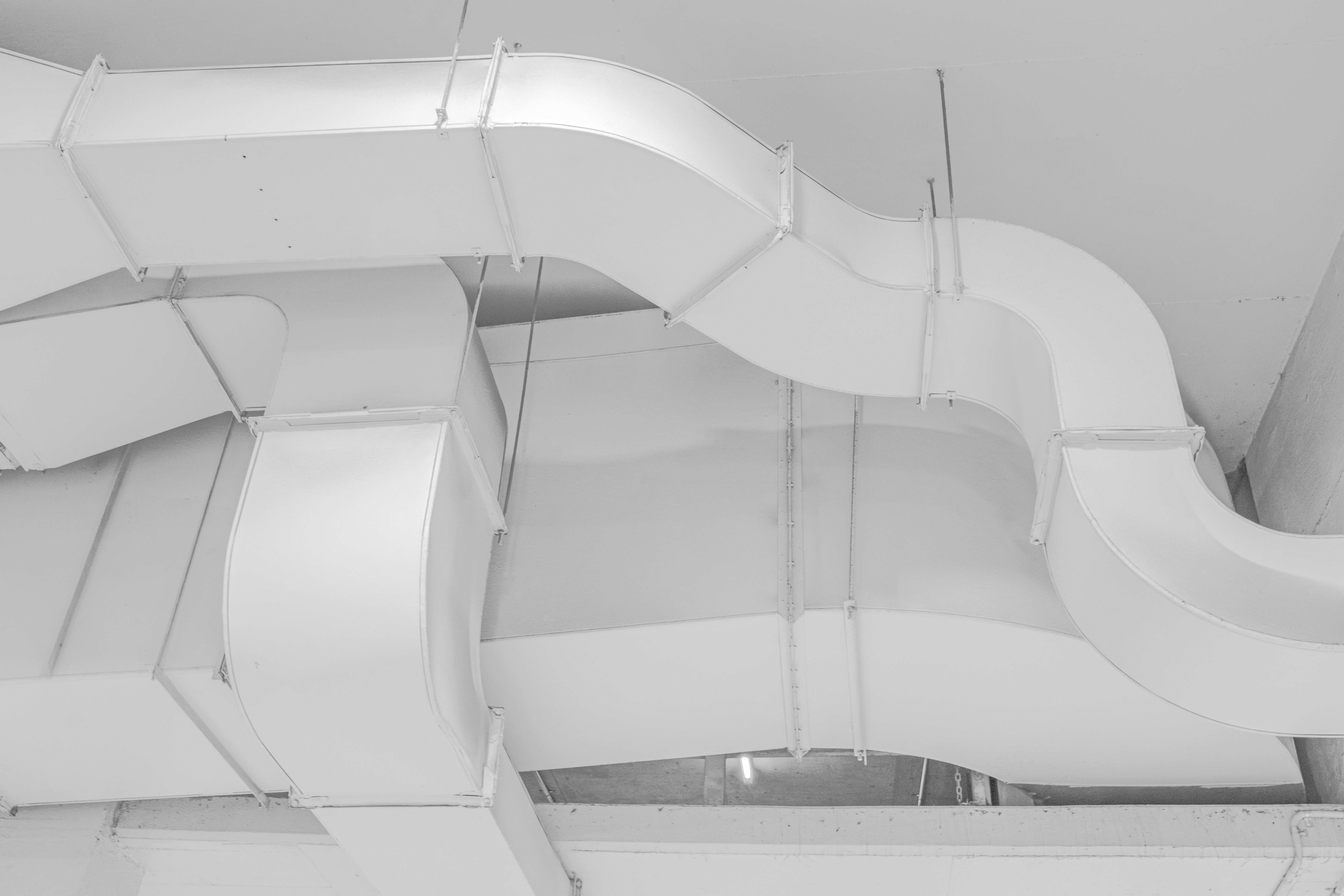
Ventilation in South Pasadena, CA
Proper ventilation in South Pasadena homes is essential for healthy indoor air, moisture control, and comfortable living year round. Whether your house is a historic Craftsman with limited ductwork or a newer, tightly sealed build, the right combination of whole-home and spot ventilation reduces pollutants, prevents mold, and manages humidity — all while meeting California energy and building codes. Local factors like seasonal wildfire smoke, urban ozone, and mild, occasionally humid winters make targeted ventilation strategies especially important in South Pasadena, CA.
Common ventilation problems in South Pasadena homes
- Poor kitchen and bathroom exhaust leading to lingering odors, grease, and excess moisture that can cause mold in older wood-framed structures.
- Backdrafting or inadequate combustion air in tight homes that creates safety and comfort risks.
- Infiltration of outdoor smoke and fine particles during wildfire events when homes lack filtered, controlled ventilation.
- Uneven airflow and stale rooms because of incomplete ductwork or undersized fans.
- Energy loss from uncontrolled ventilation in homes without heat or energy recovery solutions.
- Attic condensation and moisture issues in winter months when attic ventilation or vapor control is inadequate.
Ventilation solutions for South Pasadena homes
Recommended systems are designed to match your home size, layout, and air quality goals. Typical options include:
- Whole-home balanced ventilation (ERV or HRV systems) that supply filtered fresh air while recovering heat and moisture to minimize energy loss and maintain indoor humidity. ERVs are often best in Southern California to moderate humidity transfer between indoors and outdoors.
- Supply ventilation to introduce filtered fresh air at controlled rates, useful in homes with many exhaust appliances.
- Exhaust ventilation via high-performance bathroom exhaust fans and range hoods to remove moisture and cooking pollutants at the source.
- Spot ventilation for garages, laundry rooms, or workshops to prevent contaminants from migrating into living spaces.
- Inline duct fans and ceiling-mounted units to retrofit ventilation in homes without central HVAC ducting.
Assessment and design process
A thorough assessment ensures the ventilation system meets your home’s needs and local code requirements:
- Initial survey of the building envelope, existing ductwork, attic and crawlspace conditions, and typical occupant patterns.
- Measurement of baseline indoor air quality variables when needed (CO2, relative humidity, particulate levels) and basic pressure diagnostics to identify backdrafting or infiltration risks.
- Calculation of required ventilation rates based on ASHRAE 62.2 guidelines and Title 24 compliance for California homes, accounting for occupancy and square footage.
- Selection of the appropriate approach: balanced ERV/HRV for controlled whole-home ventilation, supply or exhaust strategies for simpler upgrades, and spot ventilation for targeted problem areas.
- Layout and sizing of ductwork, fan capacity, filtration level, and controls to ensure effective flow, low noise, and energy efficiency.
Installation and ductwork options
Installation choices depend on your home’s architecture and retrofit complexity:
- Centralized ERV/HRV units connect to a coordinated duct network and include core filters and sensible energy exchange. They require a mechanical room or attic placement with condensate handling and access for maintenance.
- Decentralized or ductless ERV units can provide controlled exchange for specific rooms where central ducting is impractical.
- Inline fans installed in attic or wall cavities minimize runs through living space and can serve remote exhaust points with quieter operation.
- Duct materials: rigid ducting for main trunks, insulated flexible ducts for short runs, and sealed joints to minimize leakage. Proper insulation and slope are essential to avoid condensation and microbial growth.
- Controls and integration: timers, humidity sensors, and demand-controlled ventilation adjust airflow to occupancy and indoor conditions to save energy while preserving air quality.
Energy and code compliance
South Pasadena ventilation design must balance air quality with energy efficiency:
- California Title 24 and industry standard ASHRAE 62.2 set minimum ventilation rates and prescribe methods for compliance. Designs typically document flow rates, control strategies, and efficiency claims.
- Energy recovery ventilation (ERV) reduces the thermal penalty of bringing outside air into conditioned space, which is critical in climates with significant daily temperature swings. ERV cores transfer heat and some moisture to improve comfort and reduce HVAC load.
- Proper fan selection (ECM or variable speed) and duct sealing reduce electrical consumption and ensure required flows are met without excess noise or energy waste.
Recommended maintenance to ensure effective airflow
Regular upkeep keeps systems performing and prolongs equipment life:
- Replace or clean filters on ERV cores and inline units per manufacturer guidance, typically every 3 to 12 months depending on use and outdoor conditions.
- Inspect and clean bathroom and kitchen fans annually to remove dust and grease buildup.
- Check duct seals, insulation, and support annually for gaps, damage, or condensation.
- Clean ERV cores and housings yearly or as recommended; inspect condensate drains for blockages.
- Monitor indoor humidity seasonally and verify ventilation controls (timers, humidity sensors) are calibrated and responding.
- Periodically measure airflow to confirm system is delivering design rates, especially after home renovations or HVAC changes.
Benefits of proper ventilation in South Pasadena, CA
Effective ventilation improves health, comfort, and building durability. It reduces indoor pollutants and allergens, controls moisture to prevent mold and wood rot common in older local homes, and helps protect indoor environments during wildfire smoke episodes with filtered, controlled intake. When designed with energy recovery and demand controls, ventilation can meet code requirements while keeping energy costs low and maintaining year-round comfort in South Pasadena’s climate.
Choosing the right mix of whole-home and spot ventilation, paired with professional assessment, careful installation, and routine maintenance, ensures your South Pasadena home breathes efficiently and safely while complying with California standards and adapting to local air quality challenges.
Customer
Testimonials
Our customers consistently praise the exceptional service and professionalism of our team. They appreciate the honest advice, meticulous work, and the care taken to ensure their satisfaction.

.webp)
Service Areas
