

Thermostat Installation in South Pasadena, CA

Thermostat installation in South Pasadena provides safer, reliable climate control through professional wiring, proper mounting, and accurate calibration tailored to Southern California homes. The guide explains why expert installation matters for heat pumps, furnaces, and multi-stage systems, outlines common install scenarios (replacement, programmable, and smart thermostats), and walks through a standard process from site assessment to testing and post-installation support. It also covers typical issues, maintenance, and when to seek follow-up diagnostics. Learn how to maximize efficiency and comfort with step-by-step guidance and professional recommendations.
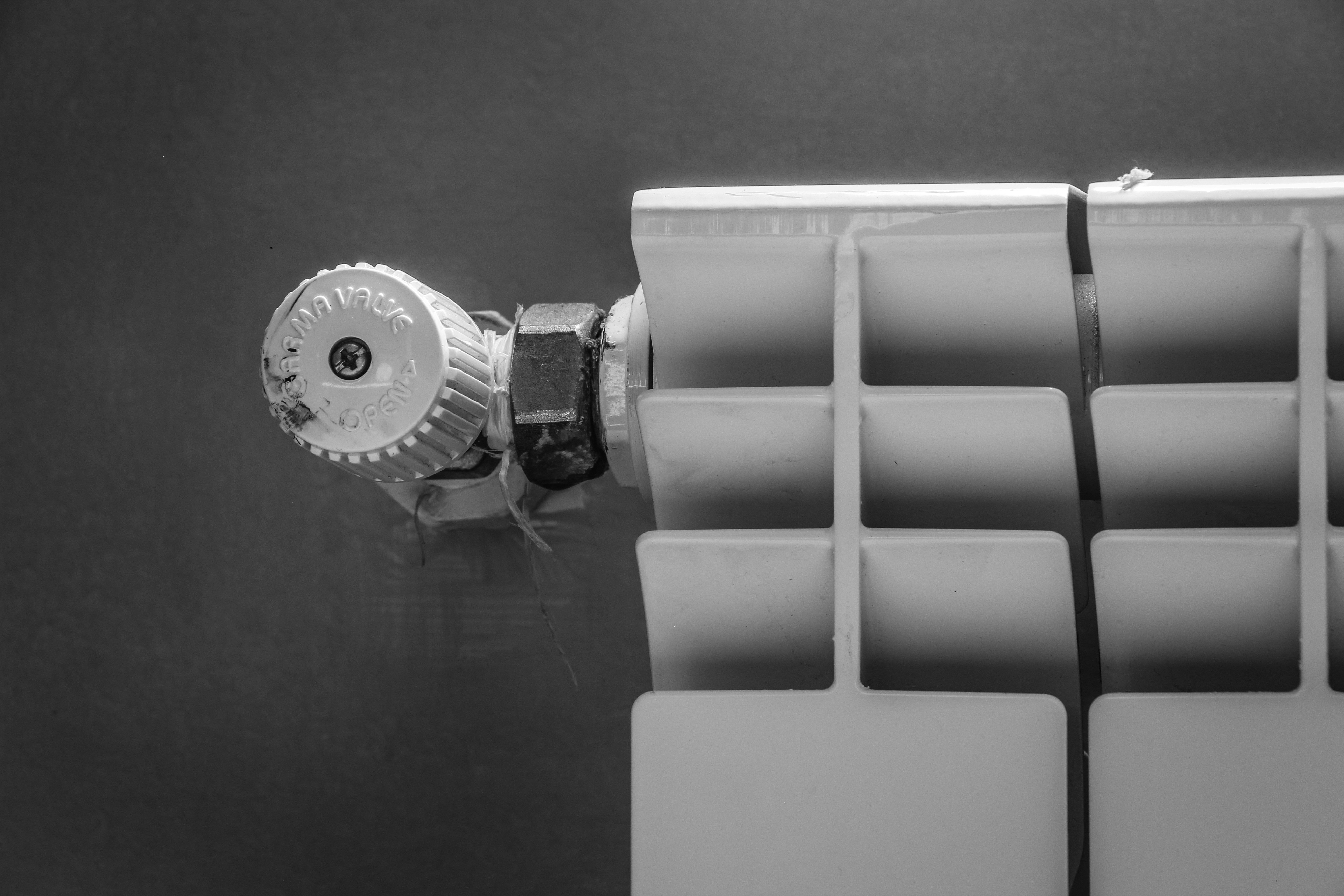
Thermostat Installation in South Pasadena, CA
Upgrading or replacing a thermostat is one of the most cost effective ways to improve comfort, reduce energy use, and modernize climate control in South Pasadena homes. Whether you live in a Craftsman bungalow, a midcentury home, or a newer build, a professional thermostat installation ensures the new device is compatible with your heating and cooling equipment, wired correctly, mounted securely, and configured for accurate, reliable performance in Southern California's warm-summer Mediterranean climate.
Why professional thermostat installation matters in South Pasadena
South Pasadena experiences hot, dry summers and mild winters. Many homes use air conditioning and heat together during seasonal transitions, and older properties frequently have legacy wiring or multi-stage HVAC equipment. Professional installation addresses those local realities by:
- Confirming compatibility with heat pumps, conventional furnaces, central air, or multi-stage systems common in the area
- Resolving common wiring gaps in older homes, such as missing common wire (C wire)
- Calibrating controls to avoid overcooling during heat waves and unnecessary heating on temperate days
- Ensuring the thermostat location avoids false readings from afternoon sun or kitchen heat
Common thermostat installation types and issues in South Pasadena
Homeowners typically choose from several installation scenarios. Each has distinct steps and considerations:
- Replacement of a like-for-like unit: swap mounting plate and wiring with minimal changes
- Upgrade to a programmable thermostat: adds schedule-based temperature control for weekday/weekend routines
- Upgrade to a smart thermostat (Wi-Fi enabled): integrates remote access, learning algorithms, and energy reports
- Conversion for systems without a C wire: install power extenders or use alternative wiring solutions
- Multi-zone or multi-stage control installation: requires additional configuration and wiring checks
Common thermostat installation issues in South Pasadena include:
- Missing or inadequate C wire in older homes
- Incompatible wiring colors or labels from prior custom wiring jobs
- Thermostat placement near windows, sunlit walls, or internal heat sources causing inaccurate readings
- Heat pump wiring that requires specific mode settings or reversing valve connections
- Insufficient wall cavity backing or plaster that complicates secure mounting in historic homes
The thermostat installation process - what to expect
A professional installation follows a clear, methodical process to minimize surprises and deliver reliable operation.
- Site assessment and system compatibility check
- Inspect the existing thermostat, wiring, and indoor HVAC equipment.
- Identify system type (furnace, heat pump, multi-stage, zoned) and confirm required thermostat features.
- Evaluate the thermostat location for accurate sensing and user accessibility.
- Wiring inspection and preparatory work
- Verify presence and function of the common C wire and other required conductors.
- Label and document wires to avoid confusion during transfer.
- If wiring is missing, discuss alternatives such as a C-wire adapter, use of the equipment's common connection, or a battery-powered option if appropriate.
- Mounting and mechanical installation
- Remove old device, patch or seal the wall opening if needed, and install a compatible backplate or mounting plate.
- Route and secure wiring, fasten the thermostat level and flush to the wall, and protect any exposed wires or holes with appropriate grommets or sealant—important for older plaster walls in South Pasadena homes.
- Initial configuration and calibration
- Power up and complete base configuration: system type, number of stages, fan control behavior, and sensor calibration.
- For programmable models, create schedules aligned with homeowner routines and local temperature patterns.
- For smart thermostats, establish Wi-Fi connectivity, link with apps if desired, and verify remote access and firmware updates.
- Testing and verification
- Run the heating and cooling cycles through all modes, check for correct equipment response, and confirm accurate temperature sensing.
- Verify that the thermostat does not short cycle equipment and that setpoint changes produce expected changes in operation.
- Post-installation walkthrough and support
- Demonstrate basic operation, schedule edits, and app interfaces when applicable.
- Provide documentation on wiring, settings, and any changes made to the system.
- Explain common troubleshooting steps and recommended maintenance.
Typical timeframes: an assessment usually takes 30 to 60 minutes. Most installations are completed within 60 to 120 minutes, with additional time for resolving wiring or compatibility issues.
Programmable vs non-programmable vs smart thermostats
Choosing the right thermostat depends on lifestyle and system needs:
- Non-programmable thermostats: simple and reliable for users who prefer manual control. Best when schedules are irregular.
- Programmable thermostats: allow set schedules to reduce energy use during work hours or at night. Useful for consistent routines.
- Smart thermostats: offer remote control, learning functions, geofencing, and energy reports. They can optimize cooling during South Pasadena heat events and integrate with home automation.
For South Pasadena homes with older wiring, consider whether a smart thermostat will need a C wire or a compatible adapter.
Common post-installation issues and quick fixes
- Thermostat will not power on: check circuit breakers and furnace switch; confirm C wire or battery status.
- HVAC does not respond to setpoint changes: verify wiring connections and system mode; ensure the thermostat is configured for the correct system type.
- Inaccurate room temperature: confirm sensor calibration and relocate thermostat if exposed to direct sun or drafts.
- Wi-Fi connection problems: confirm network credentials and router compatibility; temporary interference can be resolved by moving the router or using a wired gateway for the thermostat.
If an issue persists after basic checks, a follow-up diagnostic visit may be necessary to inspect the furnace control board, transformer, or zoning equipment.
Benefits and ongoing maintenance for South Pasadena homeowners
A correctly installed thermostat delivers predictable comfort, reduced energy consumption, and longer HVAC equipment life by minimizing unnecessary run cycles. Additional benefits for South Pasadena residents include better management of cooling during summer heat and seamless switching for mild winter heating.
Maintenance tips:
- Replace batteries annually if the thermostat uses them
- Revisit schedules seasonally to reflect changing occupant patterns and local temperature shifts
- Keep firmware updated for smart thermostats to maintain security and feature improvements
- Inspect wiring and terminal screws if you observe intermittent faults or after any major HVAC service
Professional thermostat installation combines electrical and HVAC expertise to ensure system compatibility, safe wiring, accurate calibration, and dependable operation. For South Pasadena homes with older electrical systems, multi-stage equipment, or a desire for advanced smart controls, a careful assessment and installation plan is essential to achieve the best results and long term comfort.
Customer
Testimonials
Our customers consistently praise the exceptional service and professionalism of our team. They appreciate the honest advice, meticulous work, and the care taken to ensure their satisfaction.

.webp)
Service Areas
