

Ventilation in Santa Monica, CA

This page explains Santa Monica ventilation needs and practical solutions for homes and small commercial spaces. It covers coastal climate impacts, IAQ challenges from humidity, salt air, traffic emissions, and wildfire smoke, and outlines whole-home, spot ventilation, ERV/HRV, and duct options. It highlights assessment and design steps, installation processes, energy considerations, maintenance practices, and code compliance with California Title 24. Readers learn how to select equipment, place ducts, and maintain systems to improve comfort, reduce moisture, and protect building components.
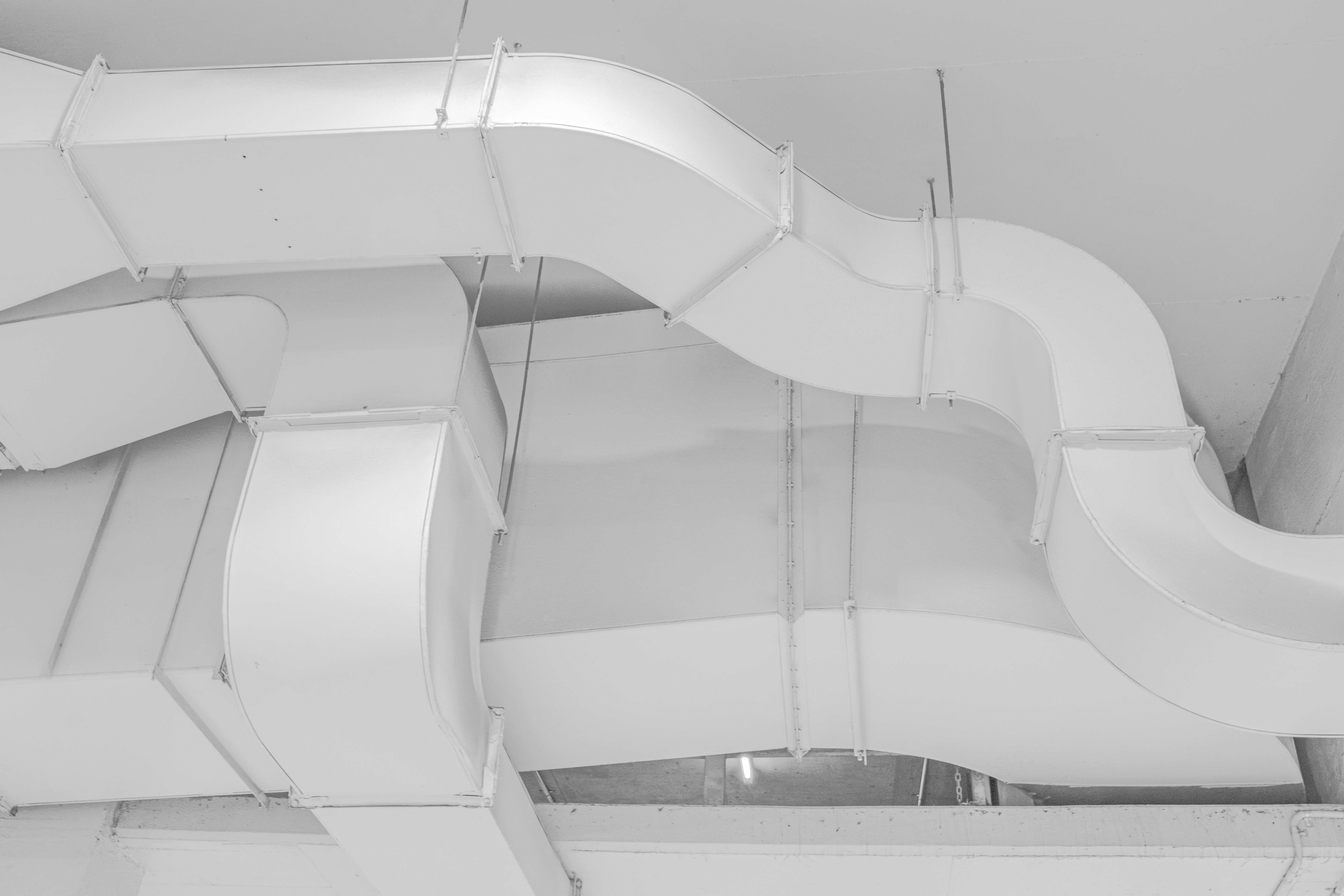
Ventilation in Santa Monica, CA
Healthy, efficient ventilation is essential for Santa Monica homes and businesses. Coastal climate, marine humidity, nearby traffic and seasonal wildfire smoke make indoor air quality a year-round concern. Proper ventilation strategies - whole-home systems, targeted spot ventilation, and energy or heat recovery ventilators (ERV/HRV) - control moisture, remove pollutants, and deliver fresh air while limiting energy penalties. This page explains common ventilation needs in Santa Monica, assessment and design considerations, equipment and duct options, code and indoor air quality benefits, the typical installation process, energy impacts, and practical maintenance guidance.
Why ventilation matters in Santa Monica homes and buildings
Santa Monica’s mild, maritime climate reduces extreme heating and cooling loads but introduces unique IAQ challenges:
- Coastal humidity and salt air increase condensation and accelerate corrosion of exterior equipment and poorly protected ductwork.
- Traffic and port-related emissions raise outdoor particulate and ozone levels in some neighborhoods.
- Seasonal wildfire smoke drives spikes in fine particulate matter that can infiltrate buildings.
- Older homes often lack balanced mechanical ventilation and may vent bathroom or kitchen fans into attics, creating moisture and mold risks.
Addressing these issues with the right ventilation strategy improves comfort, reduces mold and odor problems, protects building materials, and can meet California ventilation and energy code requirements.
Common ventilation systems for Santa Monica properties
- Whole-home mechanical ventilation (continuous or demand-controlled) to meet continuous fresh air needs for residences and small commercial spaces.
- Spot ventilation for kitchens, bathrooms, laundry rooms, and range hoods to remove high-moisture and high-pollutant air at the source.
- Energy Recovery Ventilators (ERV) and Heat Recovery Ventilators (HRV) to provide balanced fresh air while recovering sensible heat and, for ERVs, moisture transfer to reduce HVAC load.
- Inline/duct fans and dedicated outdoor air systems for commercial spaces with higher occupancy or process loads.
Common ventilation issues in Santa Monica
- Bathrooms/kitchens venting into unconditioned attics causing insulation and structure damage.
- Undersized or noisy exhaust fans that are rarely used.
- Lack of filtration or insufficient filtration for wildfire smoke and traffic particulates.
- Corrosion of exterior fans, vents, and unprotected ductwork from salt air.
- Poorly sealed ducts causing energy loss and uneven ventilation across rooms.
Assessment and design considerations
A professional assessment starts with a site survey and measurement, focusing on:
- Building airtightness and occupancy patterns (blower door and occupancy analysis).
- Existing HVAC layout and whether ventilation will integrate with the central system.
- Sources of pollutants and high-moisture activities (kitchen use, showers, laundry).
- Local climate factors: proximity to the coast, humidity trends, and wildfire smoke exposure.
- Applicable standards and codes, including California Title 24 ventilation requirements and guidance from ventilation standards such as ASHRAE 62.2.Design elements addressed during assessment:
- Required ventilation rates per room and overall home based on occupancy and square footage.
- ERV vs HRV choice: in Santa Monica, ERVs are often preferred where moisture transfer helps control indoor humidity without over-drying, but HRVs may be selected in drier, inland conditions.
- Filtration needs: specifying MERV 13 or better for wildfire smoke protection when compatible with the system.
- Equipment placement to minimize exposure to salt spray and allow service access.
Ductwork and fan options
- Duct types: sealed, insulated rigid ducts for main trunks; flexible ducts for short runs where appropriate. Insulation prevents condensation in coastal humidity.
- Corrosion resistance: use coated or stainless components and corrosion-resistant fasteners for exterior vents and roof-mounted equipment.
- Fan options: ECM (electronically commutated motor) fans for high efficiency and variable speed control; centrifugal fans for higher static pressure runs; inline fans for quiet, distributed ventilation.
- Controls: timers, humidity sensors, CO2 or VOC demand-control ventilation to run ventilation only when needed and reduce energy use.
Installation process overview
- Site survey and final design approval, including equipment and duct routes.
- Permitting in line with local building codes and Title 24 ventilation and energy requirements.
- Unit installation and secure mounting in protected locations; routing and sealing of ductwork; connection to HVAC if required.
- Installation of outdoor intake and exhaust with insect and weather protection and corrosion-resistant finishes.
- Commissioning and balancing: measure airflow, adjust dampers, check pressure differentials, verify filtration and control operation, and provide a system operation briefing.
- Documentation of as-installed ventilation rates and any code compliance records.
Energy impacts and efficiency
- Mechanical ventilation increases conditioned air exchange, but ERV/HRV systems recover sensible heat and (ERV) latent heat, significantly reducing heating or cooling penalties compared with simple exhaust-only ventilation.
- ECM motors, demand-control ventilation, and proper controls reduce runtime and energy use.
- Properly sealed and insulated ducts and balanced systems prevent excess load on HVAC equipment.
- Accounting for Santa Monica’s mild climate, correctly sized ERV/HRV systems typically pay back through reduced HVAC runtime and improved occupant comfort.
Code, health, and indoor air quality benefits
- Proper ventilation helps meet California code requirements for minimum fresh air rates and complies with Title 24 ventilation provisions when applicable.
- Balanced ventilation controls moisture, reducing mold and rot problems that are common in coastal homes.
- Enhanced filtration and balanced fresh air reduce indoor pollutants, allergens, VOCs, and fine particles from wildfire smoke and traffic.
- Improved occupant health and comfort through consistent airflow, reduced odors, and fewer humidity-related issues.
Maintenance and best practices for Santa Monica properties
- Replace or inspect filters every 3 to 12 months depending on occupancy and smoke events; increase frequency during wildfire season.
- Clean ERV/HRV cores annually and check for corrosion or salt buildup; store units in protected locations when possible.
- Inspect duct seals, roof penetrations, and exterior vents for corrosion and blockages twice a year.
- Verify fan operation and controller settings seasonally; test balanced airflow and adjust as needed.
- Avoid venting spot fans into attics or crawlspaces; always vent to outdoors with proper weather and pest protection.
Properly designed and maintained ventilation tailored to Santa Monica’s coastal climate and air quality challenges delivers measurable benefits: better indoor air, reduced moisture problems, compliance with code, and lower HVAC energy impacts when ERV/HRV and efficient controls are used. Thoughtful assessment and corrosion-aware equipment selection extend system life in the marine environment while keeping your indoor environment healthy and comfortable year round.
Customer
Testimonials
Our customers consistently praise the exceptional service and professionalism of our team. They appreciate the honest advice, meticulous work, and the care taken to ensure their satisfaction.

.webp)
Service Areas
