

Smart Thermostat Repair in Santa Monica, CA

Smart thermostat repair in Santa Monica, CA offers professional diagnostics and precise repairs to restore full connectivity, comfort, and energy efficiency in coastal homes. Technicians address common issues such as Wi-Fi interruptions, firmware glitches, sensor malfunctions, display or interface errors, wiring faults, and privacy or security concerns. The service includes a structured diagnostic process to identify root causes and apply targeted solutions—ranging from firmware updates and sensor replacements to wiring corrections and system recalibration. Homeowners also receive guidance on whether repair or replacement is the better long-term option based on device age and firmware support. The service concludes with maintenance and privacy tips to ensure lasting reliability and seamless smart home integration.
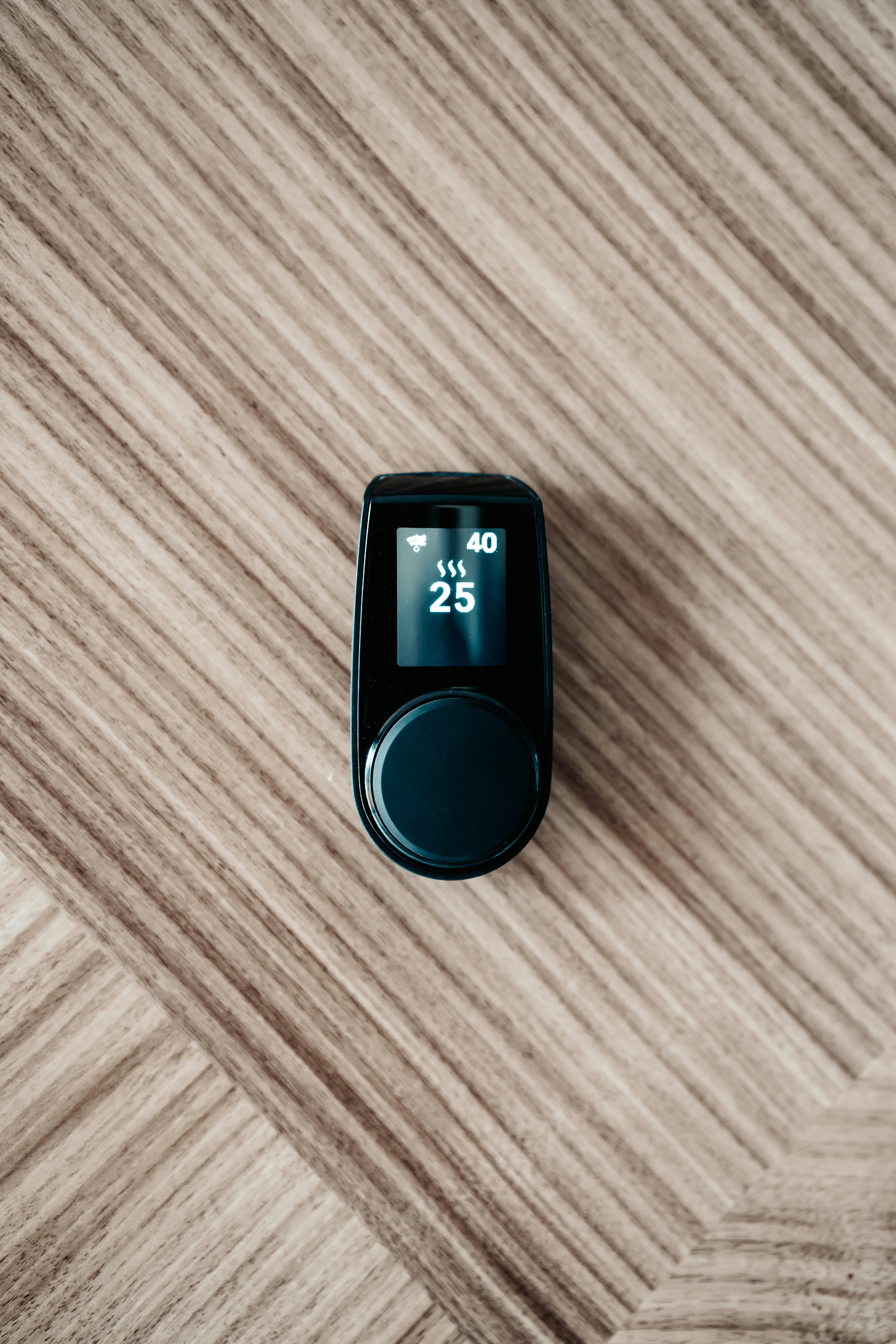
Smart Thermostat Repair in Santa Monica, CA
Smart Thermostat Repair in Santa Monica, CA restores reliable, energy-smart climate control when your connected thermostat stops behaving as expected. In coastal Southern California homes, a malfunctioning thermostat doesn’t just mean temporary discomfort — it can lead to higher energy costs, poor HVAC performance, and compromised smart-home routines. This page explains common smart thermostat issues in Santa Monica, how professionals diagnose and repair them, when repair makes sense versus replacement, privacy and data considerations, and practical maintenance tips to keep your system running smoothly.
Why Santa Monica homes need expert smart thermostat repair
Santa Monica’s mild but variable coastal climate, combined with older multifamily buildings and modern condos, creates unique conditions for smart thermostats. Salt air and humidity can accelerate corrosion on terminals and battery contacts; stucco and concrete walls in older homes or apartment complexes often weaken Wi-Fi signals; and dense wireless environments can create intermittent connectivity. Timely, expert troubleshooting addresses these local factors and prevents small issues from disrupting HVAC integration and energy savings.
Common smart thermostat issues in Santa Monica
- Connectivity problems: thermostat disconnects from Wi-Fi or drops out of cloud services, causing lost schedules and remote control failures. Common in apartments with shared networks or homes with weak router placement.
- Firmware and software errors: failed updates, stalled firmware installs, or bugs after an update that break features or display incorrect temperatures.
- Sensor and battery faults: inaccurate temperature or humidity readings from failed internal sensors, or rapid battery drain due to environmental factors or degraded cells.
- Interface and touchscreen malfunctions: unresponsive screen, frozen menus, or controls that jump between options.
- Wiring and HVAC compatibility issues: missing C-wire, degraded thermostat wiring, or incompatibility with older furnaces, heat pumps, or zoning systems.
- Integration and automation failures: loss of connection to Alexa, Google Home, HomeKit, or third-party platforms; scenes and schedules stop working after account changes.
- Data and privacy concerns: lingering account access after previous owners, unusual cloud activity, or uncertainty about how personal data and schedules are stored.
Diagnostic process: what a professional will check
- Visual and physical inspection: check for corrosion on terminals, loose connections, battery condition, and signs of water or salt exposure.
- Network and cloud testing: verify Wi-Fi signal strength at the thermostat, router settings, and connectivity to vendor cloud services.
- Firmware and account status: determine firmware version, check update history, and confirm account ownership and cloud pairing.
- Sensor accuracy testing: compare thermostat readings to calibrated meters to isolate sensor drift or failure.
- Wiring and HVAC interaction: test control signals to the furnace/AC, confirm the presence of a C-wire, and evaluate relay and control board responses.
- Integration checks: test reconnection to smart-home platforms and verify automation flows and scenes.
Typical repairs and solutions
- Restore Wi-Fi and cloud connectivity: repositioning the router, switching bands (2.4 GHz vs 5 GHz), updating network settings, or re-pairing the device to the cloud service to stabilize remote access.
- Firmware repair: safely applying updates, troubleshooting failed installs, or rolling back to a stable firmware version if needed.
- Sensor and battery replacement: swapping worn batteries, replacing internal sensors where possible, and recalibrating temperature/humidity readings.
- Terminal cleaning and wiring repair: cleaning corrosion, tightening terminals, and replacing degraded thermostat wires to restore reliable control signals.
- Interface repair: replacing or recalibrating touchscreens or front panels when buttons or displays fail.
- HVAC integration fixes: installing or recommending a C-wire solution, configuring thermostat settings for heat pump or multi-stage systems, and testing zone control boards to ensure correct operation.
- Smart-home re-integration: restoring account authentication, reconnecting devices to Alexa/Google/HomeKit, and re-establishing automation routines and schedules.
Data and privacy considerations
Smart thermostats store schedules, occupancy patterns, and sometimes usage data in cloud services. When repairing a unit in Santa Monica, professionals follow privacy-first steps:
- Confirm ownership or authorized access before changing account credentials or cloud pairings.
- Recommend secure Wi-Fi settings, strong passwords, and two-factor authentication where supported.
- Backup schedules and local settings where possible before factory resets or major firmware changes.
- Advise on removing previous owners’ accounts from the device and reviewing cloud data retention settings to avoid inadvertent data sharing.
Repair versus replacement: how to decide
Consider repair when:
- Issues are isolated (connectivity, sensor replacement, battery or terminal corrosion).
- The thermostat brand still receives firmware updates and support.
- Wiring and HVAC compatibility can be restored at reasonable cost.Consider replacement when:
- The unit is several years old and experiencing multiple recurring hardware or firmware failures.
- Manufacturer support and firmware updates have ended, creating security or functionality gaps.
- Repair costs approach the price of a modern, more capable thermostat with better security and local processing features.A professional assessment will provide the data you need to weigh long-term reliability, energy savings potential, and integration benefits for your home.
Restoring integration with HVAC and smart-home systems
Smart thermostats are most valuable when they work seamlessly with HVAC systems and home automation. Repairs often include:
- Verifying signal chains between thermostat, HVAC control board, and zone systems.
- Configuring the thermostat for correct system type (single-stage, multi-stage, heat pump).
- Re-linking accounts and permissions for voice assistants and automation hubs.
- Testing and restoring schedules, geofencing, and occupancy-based routines to ensure energy savings and comfort.
Maintenance tips for Santa Monica homeowners
- Keep the thermostat and surrounding wall area clean of dust and salt residue.
- Check batteries annually and replace with high-quality cells to avoid leaks and poor performance.
- Ensure strong Wi-Fi coverage at the thermostat location; consider a mesh system in larger or multi-floor homes.
- Install a C-wire or a compatible power adapter if your system lacks a dedicated 24V common wire.
- Keep firmware updated but schedule major updates when you can monitor functionality afterward.
- Periodically review cloud account access and remove any unused devices or accounts.
Timely smart thermostat repair in Santa Monica, CA protects comfort, preserves energy savings, and ensures your smart-home systems work together as intended. Proper diagnostics and targeted repairs address local environmental challenges, restore reliable HVAC control, and protect your privacy and data while extending the life of your investment.
Customer
Testimonials
Our customers consistently praise the exceptional service and professionalism of our team. They appreciate the honest advice, meticulous work, and the care taken to ensure their satisfaction.

.webp)
Service Areas
