

Ventilation in Santa Ana, CA

Ventilation services in Santa Ana, CA provide tailored solutions for homes and businesses facing local challenges like humidity, wildfire smoke, and coastal salt exposure. Options include ERV, HRV, exhaust, supply, and demand-controlled systems designed for code compliance and efficiency. Services cover assessment, sizing, permitting, installation, and system balancing. Upgrades and retrofits improve indoor air quality, reduce energy costs, and prevent condensation or pollutant buildup—delivering cleaner, healthier, and more comfortable indoor environments year-round.
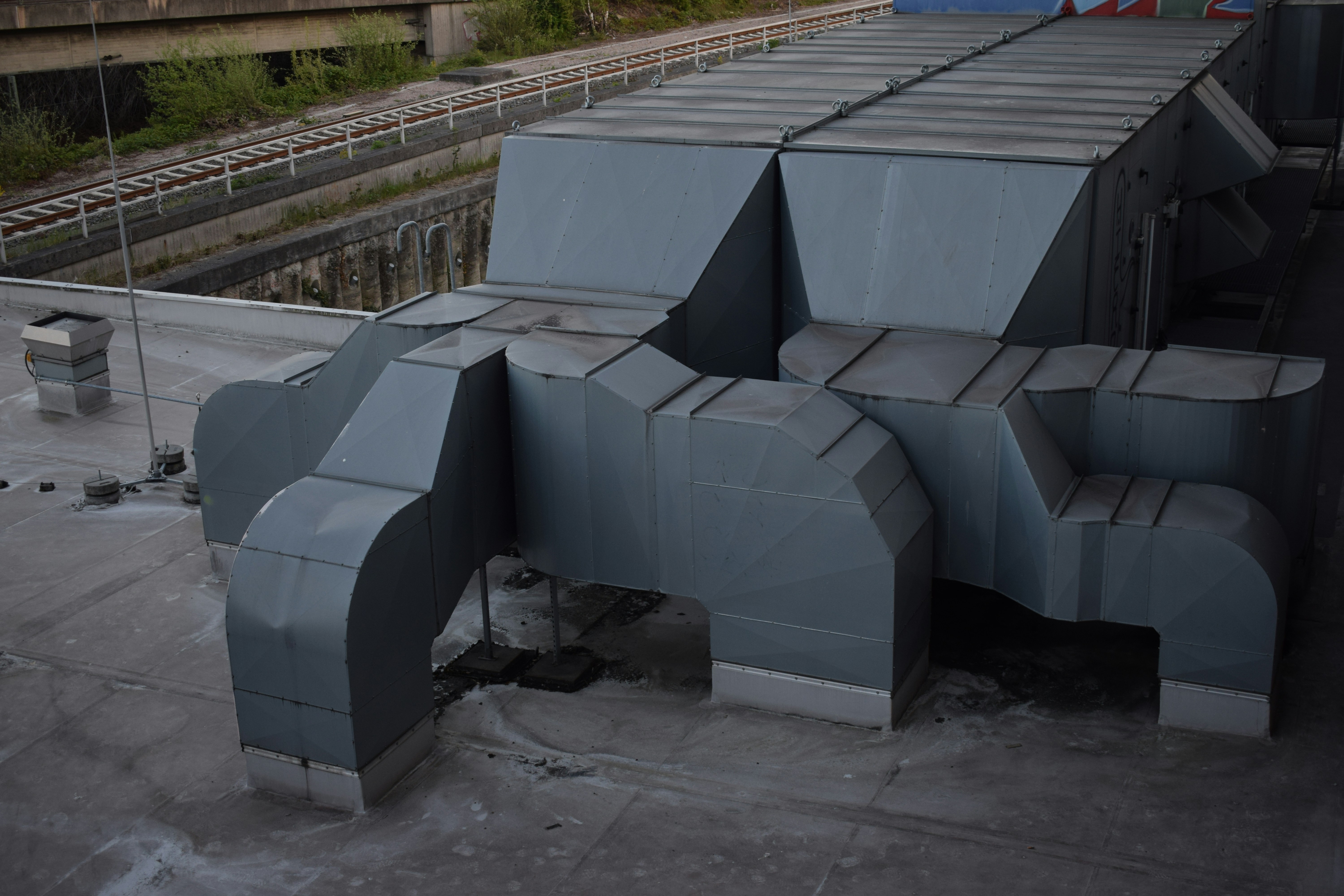
Ventilation in Santa Ana, CA
Effective ventilation is essential for healthy, comfortable homes and commercial spaces in Santa Ana, CA. Whether you need whole-home ventilation to reduce indoor humidity and dust from seasonal winds, or commercial systems that meet code and protect occupants, the right ventilation system improves indoor air quality, reduces energy waste, and extends the life of HVAC equipment. This page explains typical problems in Santa Ana homes and businesses, available system types, the design and installation process, compliance and energy considerations, retrofit options, and practical maintenance guidance to help decision-makers choose the best solution.
Why ventilation matters in Santa Ana homes and businesses
Santa Ana’s coastal Mediterranean climate, periodic Santa Ana winds, and proximity to major roadways create unique indoor air challenges:
- Santa Ana winds bring dust, pollen, and allergens into buildings, increasing particulate loads.
- Morning marine layer and coastal humidity can cause condensation in poorly ventilated spaces, contributing to mold growth.
- Wildfire smoke and seasonal pollution spikes make filtration and controlled ventilation critical.
- Coastal salt air can corrode equipment unless components and filters are selected appropriately.
Good ventilation addresses these local issues by controlling humidity, diluting and removing pollutants and particulates, and providing predictable fresh air without wasting heating or cooling energy.
Common ventilation issues in Santa Ana
- Stale indoor air and elevated CO2 in tightly sealed homes and offices
- Persistent humidity pockets in bathrooms, kitchens, and basements leading to odor and mold
- Excess dust and allergens after wind events
- Smoke and odor intrusion during wildfire events or heavy traffic periods
- Inefficient or undersized ventilation that increases utility costs or fails to meet code
Types of ventilation systems offered
Below are the main systems used for whole-home and commercial applications, with pros and cons for Santa Ana conditions.
- ERV (Energy Recovery Ventilator)
- Transfers heat and some moisture between incoming and outgoing air.
- Benefits: helps control humidity moderation in Santa Ana’s mild climate and reduces HVAC load.
- Best for: homes where maintaining indoor humidity levels and energy efficiency are priorities.
- HRV (Heat Recovery Ventilator)
- Transfers heat only, not moisture.
- Benefits: effective in drier conditions where humidity transfer is undesirable.
- Best for: commercial spaces or buildings that require precise humidity control separate from ventilation.
- Mechanical exhaust ventilation
- Uses timed or demand-controlled fans to expel indoor air (bathrooms, kitchens).
- Benefits: simple and cost-effective for localized moisture and odor control.
- Consideration: must be balanced with makeup air or supply ventilation to avoid pressurization issues.
- Supply ventilation
- Uses a controlled fresh air fan and filtration to pressurize the space with conditioned outside air.
- Benefits: easier to filter incoming air during wildfire or high-pollution events.
- Consideration: conditioning the incoming air may increase HVAC load without recovery.
- Demand-controlled ventilation (DCV)
- Modulates ventilation based on occupancy (CO2 sensors).
- Benefits: energy-efficient for commercial spaces with variable occupancy.
Design and installation process
A professional, code-compliant installation follows a predictable process:
- Initial assessment
- Evaluate existing ventilation, building tightness, ductwork condition, and IAQ symptoms.
- Identify local exposures such as proximity to freeways or exposure to salt air.
- Sizing and system selection
- Determine required ventilation rates using relevant standards and local code.
- Select ERV/HRV, supply, or exhaust approach based on humidity control, filtration needs, and energy goals.
- Permit and code review
- Ensure designs meet California Title 24 and local Santa Ana building department requirements.
- Incorporate required ventilation rates and energy recovery where applicable.
- Installation and integration
- Install units, ductwork, controls, and filtration. Use corrosion-resistant components in coastal areas when needed.
- Integrate with existing HVAC system when possible for balanced operation.
- Commissioning and balancing
- Measure CFM, adjust dampers and controls, and verify sensor/controls operation.
- Provide system documentation for building operators or homeowners.
Code compliance and energy considerations
Ventilation systems must meet minimum ventilation rates and energy-efficiency standards. In California, Title 24 and commonly referenced ventilation standards define required fresh air rates and performance expectations. Energy recovery is often the most cost-effective way to provide required fresh air while minimizing heating and cooling penalties. In Santa Ana’s moderate climate, an ERV often yields better year-round energy performance by moderating both temperature and moisture transfer.
When evaluating systems, consider:
- Filtration capability for wildfire smoke and traffic-related particulates (higher MERV ratings where the system can handle them).
- Energy recovery efficiency and fan power draw.
- Controls that allow seasonal adjustments and demand-based ventilation to reduce runtime and save energy.
Retrofit and upgrade options
Existing homes and businesses can often be upgraded without full system replacement:
- Add an ERV/HRV to existing ductwork or install a ductless ERV for zoned solutions.
- Replace undersized bathroom/kitchen exhaust fans with code-compliant, low-sone models.
- Add supply ventilation and filtration modules to improve indoor air during smoke events.
- Seal and insulate ducts, replace corroded duct sections near the coast, and add balancing dampers.
- Install CO2 or humidity sensors to automate demand ventilation and reduce energy use.
Retrofits should include an airflow test and building inspection to ensure the upgrade resolves the underlying issues rather than creating pressure imbalances.
Maintenance guidance
Regular maintenance keeps ventilation systems effective and prolongs equipment life. Recommended practices:
- Replace or clean filters regularly — typically every 1 to 3 months depending on particulate load and filter rating.
- Inspect ERV/HRV cores annually; clean or replace per manufacturer guidance, and ensure cores are dry and free of mold.
- Check fans, belts, and bearings for wear and lubricate as recommended.
- Test controls, sensors (CO2 or humidity), and timers seasonally to confirm accurate operation.
- Clean intake and exhaust screens and location points to prevent clogging with dust, salt or debris.
- Increase filtration level and maximize fresh air shutoff or recirculation settings during wildfire smoke events to protect indoor air.
Bottom-line benefits for Santa Ana properties
Properly designed ventilation in Santa Ana reduces allergy symptoms and dust accumulation after wind events, manages humidity to prevent mold and odor, protects occupants from smoke and pollutants during regional air events, and lowers overall energy use when energy recovery solutions are applied. For businesses, meeting code and maintaining a healthy indoor environment protects employees and customers while avoiding costly remediation.
Choosing the right ventilation approach requires a site-specific assessment that accounts for Santa Ana’s climate, pollution exposures, building tightness, and occupancy patterns. With a correctly designed, installed, and maintained system, you gain measurable improvements in comfort, health, and energy performance.
Customer
Testimonials
Our customers consistently praise the exceptional service and professionalism of our team. They appreciate the honest advice, meticulous work, and the care taken to ensure their satisfaction.

.webp)
Service Areas
