

Thermostat Repair in Santa Ana, CA

Thermostat repair services in Santa Ana, CA outline why a properly functioning thermostat matters for comfort and energy efficiency, detailing common issues such as display faults, sensor drift, wiring problems, and connectivity. The guide explains a systematic diagnostic process, provides homeowner troubleshooting steps, and clarifies when replacement is preferable to repair based on age and reliability. It also covers expected turnaround times, what to expect from a professional service, and practical tips to prevent future thermostat failures while maintaining system performance.
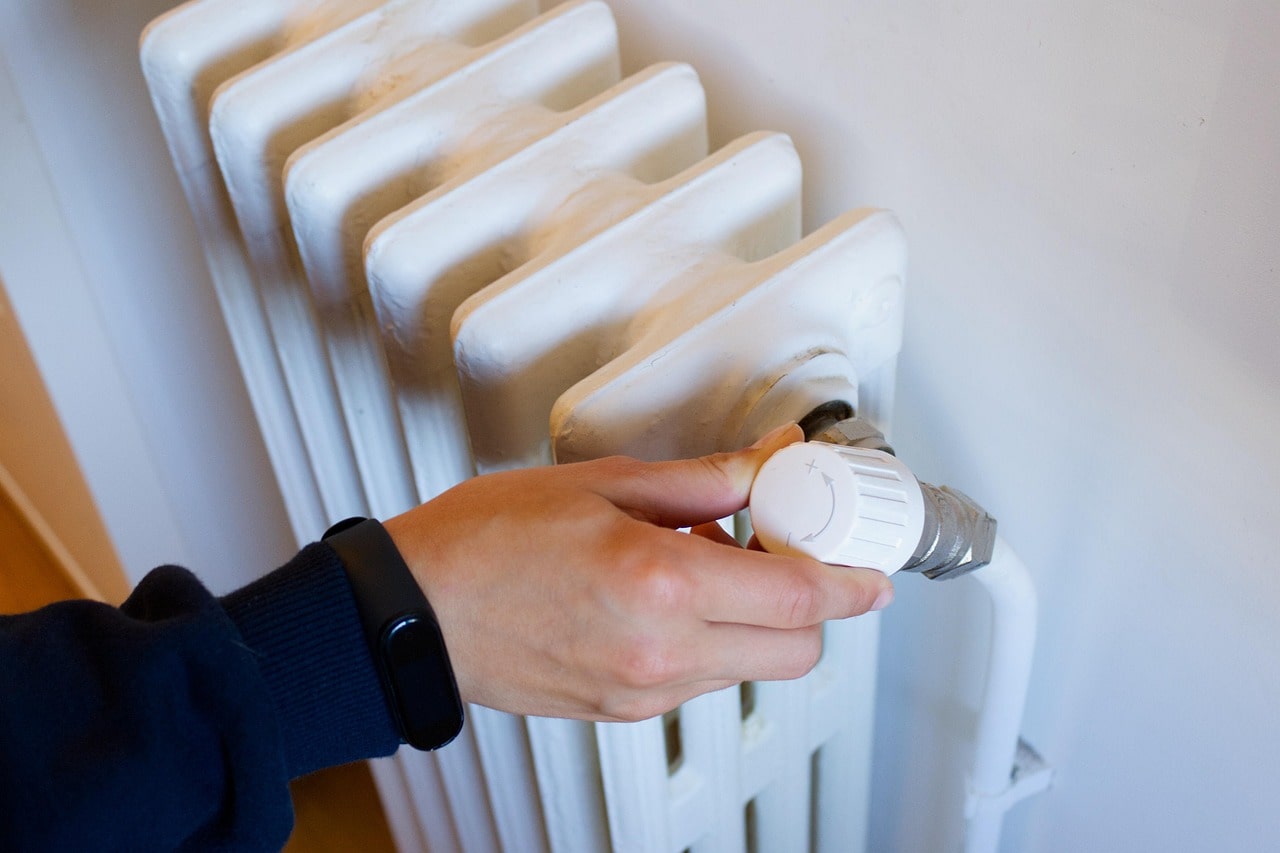
Thermostat Repair in Santa Ana, CA
A properly functioning thermostat is the control center for your home comfort. In Santa Ana, CA, where hot summers, seasonal Santa Ana winds, and coastal microclimates put extra demand on cooling systems, a faulty thermostat can quickly lead to discomfort, higher energy bills, and unnecessary wear on your HVAC equipment. This page explains common thermostat problems in Santa Ana homes, how technicians diagnose and repair them, when replacement is the better choice, expected turnaround times, and practical tips to avoid future failures.
Why thermostat repair matters in Santa Ana homes
Santa Ana’s warm temperatures and the periodic dry, gusty Santa Ana winds can cause heavy air conditioner use and occasional power fluctuations. Coastal proximity also raises the risk of corrosion on exposed components. A malfunctioning thermostat may cause inconsistent temperatures, short-cycling of the HVAC, or complete loss of control — all of which reduce comfort and increase utility costs. Prompt thermostat repair restores reliable control and prevents cascading issues with your heating and cooling system.
Common thermostat issues in Santa Ana, CA
Most thermostat problems fall into a few categories. Understanding these helps set expectations for diagnosis and repair.
- Display issues: Blank screens, flickering, or unreadable displays. Often due to dead batteries, loss of power, or internal electronic failure.
- Sensor failures and inaccurate readings: Thermostats that report the wrong temperature cause overcooling or undercooling. Sensor drift, dust, or improper placement (in direct sun, near vents) are common causes.
- Wiring and relay problems: Loose, corroded, or damaged wiring and failing relays can interrupt signals between the thermostat and the HVAC equipment.
- Power and C-wire problems: Many modern thermostats require a constant 24V power source (C-wire). Older homes or poor wiring can lead to intermittent power loss or reboots.
- Connectivity and smart thermostat issues: Wi-Fi dropouts, firmware bugs, or account setup problems interfere with remote control and scheduling.
- Mechanical thermostat wear: Older, non-digital thermostats may fail due to worn switches or calibration loss.
Typical diagnostic process and homeowner troubleshooting
Technicians start with a systematic diagnostic to pinpoint the root cause. Homeowners can try a few safe checks before scheduling service:
Professional diagnostic steps:
- Inspect thermostat power (batteries, C-wire voltage, breaker).
- Verify thermostat configuration and mode (cool/heat/fan).
- Test wiring continuity and check terminal connections for corrosion.
- Read temperature sensor output and compare with an accurate thermometer.
- Evaluate relay function and control signals at the HVAC control board.
- Check for firmware updates or network connectivity issues on smart thermostats.
Simple homeowner checks:
- Replace thermostat batteries and confirm the display powers on.
- Ensure the HVAC breaker is on and air handler power switch is set to on.
- Remove the thermostat faceplate, gently brush out visible dust, and verify wires are seated in terminals (do not pull or cut wires).
- Confirm the thermostat isn’t mounted in direct sunlight or over a heat source.
- Reboot smart thermostats by powering them off briefly or restarting your Wi-Fi router.
Component repair vs replacement: making the decision
Technicians will recommend repair or replacement based on age, severity, compatibility, and long-term value.
Repair is appropriate when:
- The issue is isolated (bad battery, loose wire, corroded terminal, faulty relay) and replacement parts are available.
- The thermostat is relatively new and still supported by the manufacturer.
- You prefer to keep an existing smart thermostat configuration and repair restores full function.
Replacement is recommended when:
- The thermostat is older (typically over 10 years) and parts are obsolete or unreliable.
- Repeated failures have occurred or the control board is damaged.
- You want upgraded features such as Wi-Fi connectivity, scheduling, zoning support, or better energy-saving controls.
- Your HVAC system has changed and the existing thermostat is incompatible.
Replacing a thermostat often improves reliability and energy efficiency, while repair can be a cost-effective short-term fix when appropriate.
Expected turnaround times
Turnaround depends on the problem scope and part availability. Typical timelines for Santa Ana homes:
- Minor fixes (battery replacement, terminal tightening, simple wiring adjustments): same-day, often within a few hours.
- Sensor or relay repairs that require replacement parts: 1 to 3 business days, depending on part availability.
- Full thermostat replacement or smart thermostat setup: usually completed in 1 to 2 hours on-site; scheduling availability may affect timing.
- Complex wiring conversions (adding a C-wire or reworking control wiring): may require additional time for safe installation and testing.
Technicians in Santa Ana often prepare for coastal-related corrosion and the higher summer workload, so turnaround can be faster when action is taken before peak seasonal demand.
What to expect from a professional thermostat service
A thorough service will include:
- A full diagnostic that identifies root cause, not just symptom treatment.
- Clear explanation of whether a component repair or a replacement is the best long-term option.
- Testing of thermostat operation across modes and schedules, plus a verification of HVAC response.
- For smart thermostats: Wi-Fi setup, account configuration, and basic user instruction.
- Recommendations to prevent repeat failures, tailored to Santa Ana conditions.
Tips to avoid future thermostat failures in Santa Ana
Preventive care reduces emergency calls and extends thermostat life:
- Install thermostats away from direct sunlight, heat vents, or exterior doors.
- Replace batteries annually and check power after outages or storms.
- Keep the thermostat and surrounding wall area clean and dust-free.
- If you have a smart thermostat, maintain a stable Wi-Fi network and apply firmware updates when available.
- Consider surge protection for your HVAC control board if your area experiences frequent power fluctuations during wind events.
- Schedule regular HVAC maintenance so system issues that strain the thermostat are caught early.
Benefits of timely thermostat repair
Prompt thermostat repair in Santa Ana homes restores comfort quickly, improves temperature consistency, reduces energy waste, and prevents excessive wear on HVAC equipment during high-demand periods. Choosing repair or replacement based on a careful diagnosis ensures reliable control, better energy management, and fewer disruptions when Santa Ana heat or seasonal winds increase demand on your cooling system.
Customer
Testimonials
Our customers consistently praise the exceptional service and professionalism of our team. They appreciate the honest advice, meticulous work, and the care taken to ensure their satisfaction.

.webp)
Service Areas
