

Ventilation in San Juan Capistrano, CA

Ventilation in San Juan Capistrano, CA highlights how balanced, code-compliant ventilation improves indoor air quality in coastal climate homes. The guide outlines local challenges such as humidity, wildfire smoke, and dusty Santa Ana winds, and links these to proper diagnostics, duct sealing, and measured airflow. It covers solution types - whole-home mechanical ventilation, ERVs/HRVs, exhaust fans, and attic and crawlspace strategies - along with energy considerations, commissioning, and maintenance to deliver healthier air, reduced moisture, and steady comfort for lasting home performance.
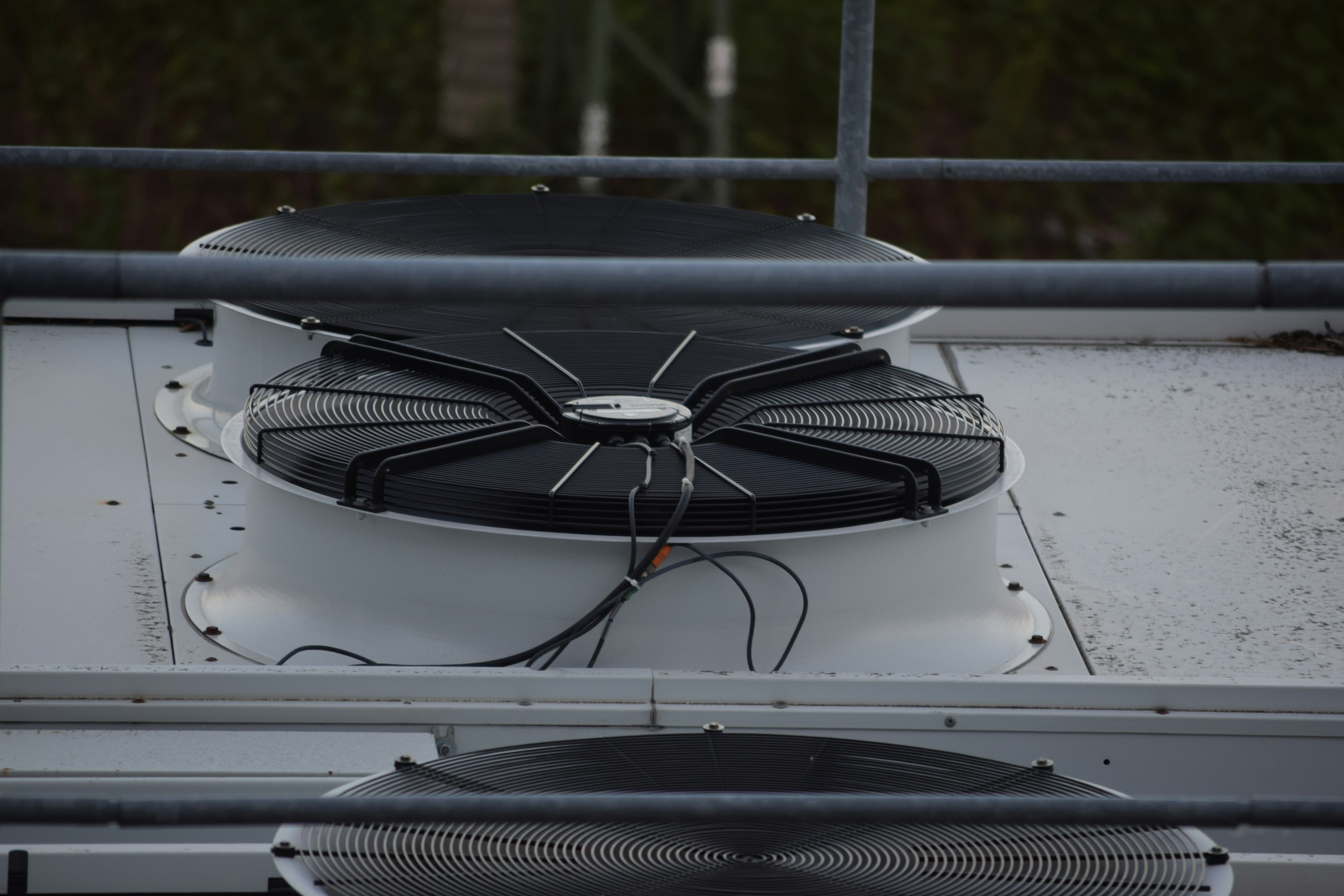
Ventilation in San Juan Capistrano, CA
Proper ventilation is one of the most important but often overlooked upgrades for San Juan Capistrano homes. With a mild Mediterranean climate, regular marine layer, occasional high humidity, and seasonal wildfire smoke and Santa Ana winds, local houses need balanced fresh-air exchange that controls moisture, reduces indoor pollutants, and protects building assemblies without wasting energy. This page explains the ventilation options available in San Juan Capistrano, CA, common problems we see here, how diagnostics and design work, and the practical upgrades that deliver healthier indoor air and better long term performance.
Why ventilation matters in San Juan Capistrano homes
- Coastal influence and periodic humidity can lead to condensation, mold risk in crawlspaces and attics, and musty indoor air if ventilation is inadequate.
- Wildfire smoke and dust carried by Santa Ana winds create episodic indoor air quality crises that call for filtered, controlled ventilation rather than uncontrolled infiltration.
- Older Spanish-style and ranch homes may have leaky ductwork, unconditioned crawlspaces, or ineffective attic ventilation that increase energy use and degrade comfort.
- Title 24 and ASHRAE guidelines push for measurable ventilation rates. Proper systems meet code while minimizing added cooling or heating load.
Common ventilation issues in San Juan Capistrano
- Stale indoor air, persistent odors, and high CO2 in tightly sealed homes.
- Moisture and mold in crawlspaces and behind exterior walls due to insufficient vapor control and airflow.
- Overheated attics that reduce insulation effectiveness and increase cooling bills.
- Negative pressure inside the house that causes backdrafting of combustion appliances and brings in smoky outdoor air.
- Unbalanced duct systems with uneven supply and return airflow, leading to hot and cold rooms.
- Duct leakage into unconditioned spaces, drawing in dust, moisture, and pollutants.
Types of ventilation solutions
- Whole-home mechanical ventilation: supply, exhaust, and balanced systems sized to meet ASHRAE 62.2 for continuous or intermittent ventilation.
- ERV and HRV options: ERVs exchange heat and some moisture and are often preferred in San Juan Capistrano for comfort across mild seasons; HRVs recover heat only and are more common in cold climates.
- Local exhaust systems: kitchen range hoods, bathroom fans, and laundry exhausts to remove moisture and contaminants at the source.
- Attic ventilation: properly designed passive soffit and ridge vents or a conditioned attic strategy that moves insulation to the roofline.
- Crawlspace solutions: conversion to conditioned crawlspace with sealed vapor barrier and supply/return integration, or controlled mechanical ventilation with dehumidification.
- Ductwork design and balancing: right-sized ducts, return pathways, and commissioning to ensure even airflow and proper pressure relationships.
Diagnostic testing and what to expect
A professional assessment focuses on measurable problems before selecting equipment:
- Blower door testing to quantify building tightness and estimate required mechanical ventilation rates.
- Duct leakage testing and Duct Blaster-style measurements to identify and quantify leaks into attics and crawlspaces.
- Airflow measurements at supply and return registers to confirm CFM distribution and to calculate ACH and ventilation adequacy.
- Moisture mapping and relative humidity logging in attics, crawlspaces, and living spaces to diagnose condensation and mold risk.
- Combustion safety testing and spillage checks to ensure added ventilation does not create backdrafting.
- Visual inspection and thermal imaging to reveal insulation gaps, bypasses, and areas needing air sealing.
Design principles and recommended upgrades
- Prioritize air sealing and insulation before adding mechanical ventilation. Sealing gaps reduces uncontrolled infiltration and makes a ventilation system more effective and efficient.
- Choose a balanced ventilation approach for most San Juan Capistrano homes. An ERV sized for the home’s occupant load provides fresh air while recovering energy and moderating humidity swings.
- For homes frequently affected by wildfire smoke, pair balanced ventilation with higher-efficiency filtration: MERV 13+ filters in the mechanical system or dedicated filtered supply for occupied spaces.
- Condition crawlspaces rather than leaving them ventilated to the outdoors. A sealed crawlspace with a vapor barrier, insulated walls, and controlled supply or dedicated dehumidification prevents moisture-driven problems common in this region.
- Attic strategies: where practical, create a sealed, conditioned attic by insulating at the roofline and extending HVAC or providing a balanced intake and exhaust. If using passive attic ventilation, ensure soffit-to-ridge flow and avoid powered attic vents that can depressurize the living space.
- Ductwork: replace or seal ducts that run through attics or crawlspaces, balance supply and return flows to avoid negative pressure, and size ducts to minimize static pressure and fan energy.
- Controls and commissioning: install variable-speed fans, demand-controlled ventilation (CO2 or humidity sensors where appropriate), and verify airflow after installation to meet design targets.
Energy and code considerations
- California Title 24 and building code require mechanical ventilation for many new and altered homes; designs should document compliance and demonstrate ventilation rates.
- ERVs reduce the heating and cooling penalty of fresh air by transferring sensible and some latent energy between outgoing and incoming streams, improving year-round energy performance in a mild coastal climate.
- Proper commissioning and airflow testing are essential for both code compliance and real-world efficiency; uncommissioned systems often underperform and waste energy.
Long term benefits and maintenance tips
- Improved indoor air quality: fewer pollutants, lower CO2, and reduced allergens and smoke intrusion with filtered, balanced systems.
- Reduced moisture problems: less mold, fewer structural repairs, and longer-lasting finishes and insulation.
- Better comfort and lower energy waste when ventilation is integrated with an efficient HVAC system and correctly balanced ducts.
- Maintenance: change or clean filters regularly, inspect and maintain exhaust fans and ERV cores, monitor crawlspace humidity seasonally, and re-check duct seals after major HVAC work.
Well-designed ventilation in San Juan Capistrano, CA, balances fresh-air needs, moisture control, and energy efficiency. By diagnosing building leakage and duct performance, choosing the right ERV or balanced system, and coordinating ventilation with attic and crawlspace strategies, homeowners can protect indoor air quality and the durability of the home while meeting local code and comfort expectations.
Customer
Testimonials
Our customers consistently praise the exceptional service and professionalism of our team. They appreciate the honest advice, meticulous work, and the care taken to ensure their satisfaction.

.webp)
Service Areas
