

Thermostat Repair in San Juan Capistrano, CA

Thermostat repair in San Juan Capistrano, CA delivers on-site diagnostics, safe wiring practices, and precise troubleshooting to restore comfort and protect equipment. This service page outlines common local issues—sensor drift, wiring faults, display failures, power losses, calibration problems, and smart thermostat connectivity—and the diagnostic steps used to identify the root cause. It also lists typical repairs, estimated time on-site, and guidelines for replacement. Maintenance tips help prolong life and ensure reliable control in coastal California homes for safer, efficient operation.
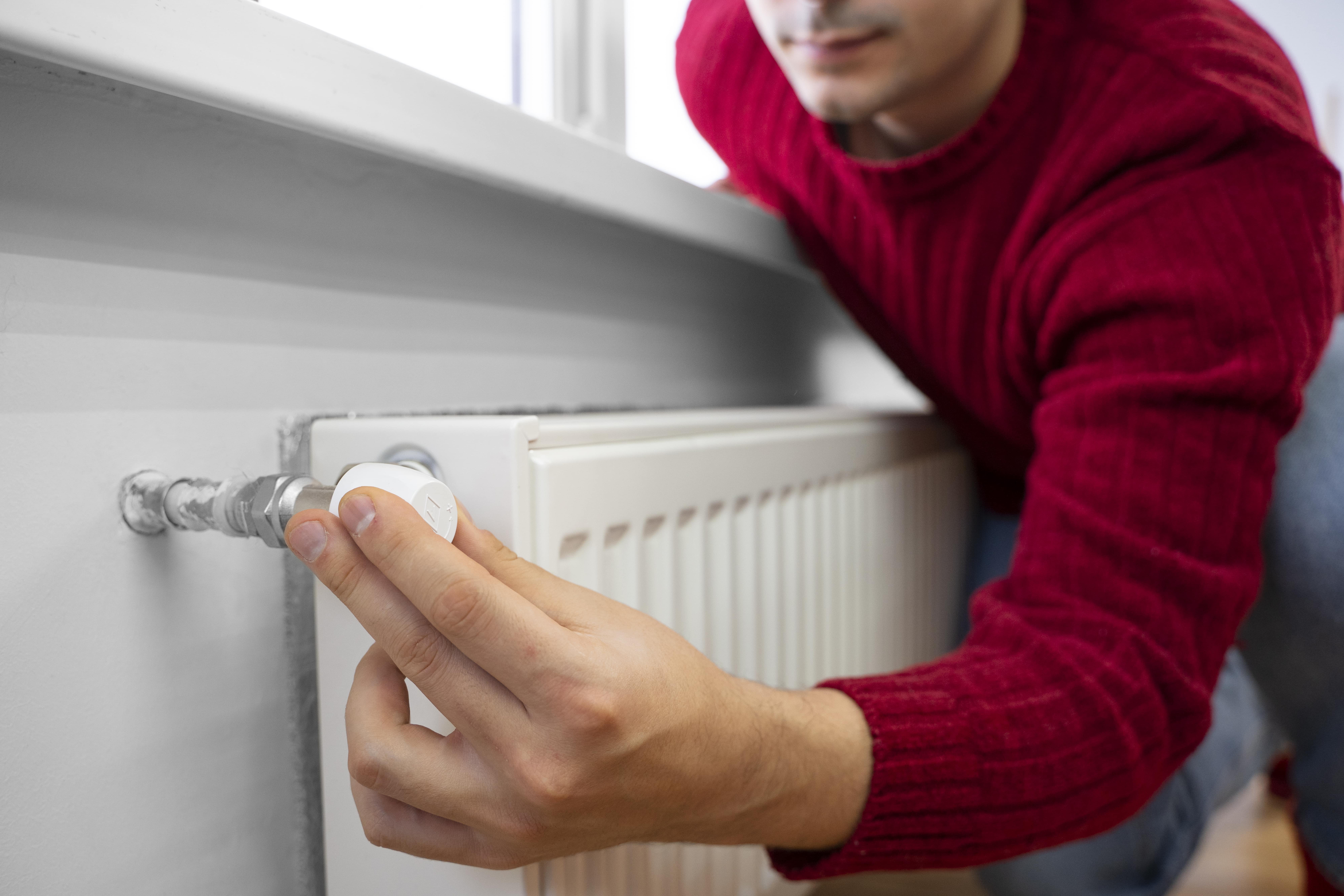
Thermostat Repair in San Juan Capistrano, CA
A properly working thermostat keeps your home comfortable, protects your HVAC equipment, and helps control energy use. If your thermostat in San Juan Capistrano, CA is showing the wrong temperature, failing to trigger heating or cooling, or its display and controls are unresponsive, timely thermostat repair can prevent unnecessary wear on your system and restore reliable operation. This page explains common diagnostics, typical repairs, on-site troubleshooting procedures, estimated repair times, and clear guidance on when thermostat replacement is the better option for San Juan Capistrano homes.
Common thermostat issues in San Juan Capistrano
Homes in San Juan Capistrano face specific conditions - coastal salt air, mild but occasionally hot summers, and many older or historic properties - that can affect thermostat performance. Typical problems include:
- Faulty temperature sensors: Sensor drift or failure causes inaccurate temperature readings and uneven comfort.
- Wiring issues: Loose, frayed, or corroded wires and terminals lead to intermittent operation or complete failure to control HVAC.
- Display or control failures: Blank screens, unresponsive touchpads, or stuck buttons prevent setting temperatures or schedules.
- Power problems: Dead batteries or missing/insufficient C-wire power causes smart thermostats to lose function or disconnect.
- Calibration and programming errors: Incorrect setpoints, schedule conflicts, or sensor miscalibration create comfort and efficiency problems.
- Connectivity problems with smart thermostats: Wi-Fi drops, account sync errors, or firmware mismatches affect remote access and automation.
- Environmental damage: Salt air corrosion in coastal areas or dust accumulation in older homes can degrade contacts and electronics.
How thermostat problems are diagnosed on-site
A clear, methodical diagnosis is essential to repairing thermostats accurately. Typical on-site steps include:
- Visual inspection of the thermostat and wall plate for corrosion, loose screws, dust, or water damage.
- Verify power: check batteries and confirm whether the thermostat is receiving 24V power from the HVAC system (C-wire).
- Inspect wiring and terminal connections for corrosion, tightness, and correct labeling.
- Use a multimeter to verify voltage to the thermostat and continuity across wires when calling for heat or cooling.
- Test sensor readings and compare with an independent thermometer to check calibration accuracy.
- Put the HVAC system through controlled cycles to observe how the thermostat commands the furnace, heat pump, or air conditioner.
- Inspect installation location for heat sources, drafts, or direct sun that could skew temperature readings.
- For smart thermostats, check firmware, Wi-Fi signal strength, and cloud connection status.
These diagnostics typically identify whether the issue is electronic, wiring-related, power-related, or due to environmental placement.
Common repairs, parts replacement, and estimated repair times
Below are typical thermostat repairs and how long they usually take on-site. Times assume a straightforward residential repair without complications from hard-to-reach wiring or extensive HVAC troubleshooting.
- Battery replacement and reset: 10 to 15 minutes. Often resolves power-related resets and intermittent operation.
- Calibration and reprogramming: 15 to 45 minutes. Includes adjusting sensor offsets and restoring schedules for programmable units.
- Terminal cleaning and wiring repair: 30 to 60 minutes. Tightening connections, removing corrosion, and repairing frayed wiring restores reliable signals.
- Display or control board repair/replacement: 30 to 90 minutes. Replacing internal components or installing a new controller for older digital thermostats.
- Sensor replacement: 30 to 90 minutes. Replacing or relocating remote or internal temperature sensors to resolve inaccurate readings.
- Smart thermostat setup and firmware troubleshooting: 30 to 120 minutes. Includes verifying compatibility with the HVAC system, ensuring proper power, and completing network setup.
- Full thermostat replacement (standard or smart): 30 to 120 minutes. Includes removing the old unit, mounting, wiring, configuring system type, and testing.
These ranges reflect most residential jobs in San Juan Capistrano; unusual wiring, historic wall finishes, or incompatible HVAC controls can extend time on site.
When thermostat replacement is recommended
Repair is often preferable for single-component failures, but replacement is advisable in several situations:
- The thermostat is more than 10 to 12 years old and reliability has decreased.
- Repeated failures occur after prior repairs or the cost and time to source obsolete parts is high.
- The thermostat is physically damaged, corroded, or has consistent power delivery problems from the control board.
- You need advanced features not supported by the existing unit, such as dual-fuel/hybrid heat pump control, zoning compatibility, or energy-saving smart scheduling.
- Calibration and wiring fixes do not correct comfort problems or short cycling continues.
- The existing thermostat is incompatible with modern HVAC controls in older San Juan Capistrano homes, making stable operation unlikely without replacement.
Replacement tends to be the more reliable long-term option when repairs become frequent or the thermostat lacks necessary features for efficient system control.
Why timely thermostat repair matters in San Juan Capistrano
In this coastal Southern California climate, even modest thermostat problems can cause noticeable discomfort during summer heat spikes or cool, damp mornings. A malfunctioning thermostat may cause:
- Increased energy use from runaway cycles or short cycling.
- Uneven comfort between rooms if sensors are misreading.
- Premature wear on compressors or furnaces due to improper cycling.
- Loss of smart energy-saving capabilities that reduce bills during peak periods.
Additionally, older homes common in San Juan Capistrano may have unique wiring or control configurations that require careful diagnostics to avoid further system issues.
Maintenance tips to prolong thermostat life
Simple preventative steps keep your thermostat working well longer:
- Replace batteries annually and monitor battery status on programmable units.
- Keep the thermostat and surrounding wall area free of dust and debris.
- Avoid mounting thermostats on exterior walls, near direct sunlight, or above heat sources.
- Secure terminal screws and check wirenut/splice integrity during annual HVAC service.
- Update smart thermostat firmware when prompted and verify Wi-Fi connectivity.
- Schedule periodic calibration checks for homes with sensitive comfort needs.
Timely maintenance reduces the need for urgent repairs and helps your HVAC system run more efficiently.
Thermostat repair in San Juan Capistrano, CA focuses on accurate diagnostics, safe wiring practices, and matching control solutions to your home and HVAC system. Proper on-site troubleshooting and repair restore comfort, protect equipment, and ensure reliable control in a coastal Southern California environment.
Customer
Testimonials
Our customers consistently praise the exceptional service and professionalism of our team. They appreciate the honest advice, meticulous work, and the care taken to ensure their satisfaction.

.webp)
Service Areas
