

Thermostat Installation in San Juan Capistrano, CA

Thermostat installation in San Juan Capistrano, CA improves comfort and energy efficiency by ensuring correct wiring, staging, and communication with the HVAC system. The diagnostic process guides a technician through system assessment, thermostat selection, wiring, mounting, configuration, testing, and client training to prevent short cycling and ensure reliable operation. The page covers thermostat types—from mechanical to Wi-Fi smart—and benefits such as reduced energy waste, better temperature control, longer equipment life, and easier maintenance. Local considerations include C-wire needs and zoning compatibility.
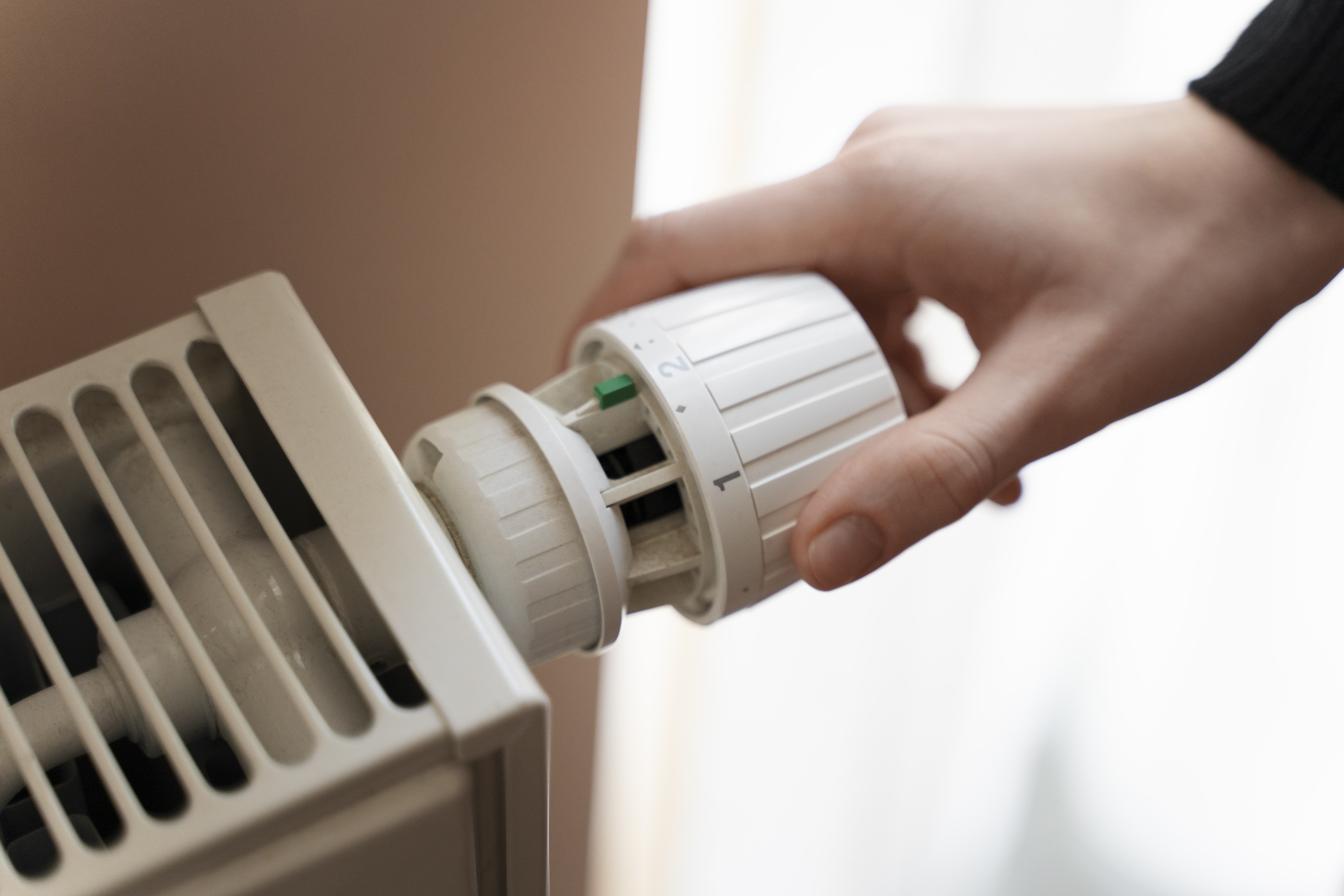
Thermostat Installation in San Juan Capistrano, CA
Upgrading or replacing a thermostat is one of the most effective ways to improve comfort and reduce energy use in San Juan Capistrano homes. Whether you live in a coastal ranch-style house or a newer development, professional thermostat installation in San Juan Capistrano, CA ensures your HVAC system communicates correctly, operates efficiently, and is configured for local climate patterns — warm, dry summers and mild, occasionally humid winters.
Why professional installation matters
A thermostat is the command center for your heating and cooling. Improper installation can lead to short cycling, incorrect staging, blown transformers, or voided HVAC warranties. Professional installation protects your equipment and delivers consistent comfort and energy savings by ensuring:
- Accurate wiring and voltage compatibility
- Proper staging and configuration for single-stage, multi-stage, or heat pump systems
- Correct placement to avoid false readings from sun, kitchen heat, or drafty entries
- Reliable Wi-Fi and smart features setup when using digital thermostats
Common thermostat installation issues in San Juan Capistrano
Understanding typical problems helps set expectations and clarifies why a technician’s expertise is valuable:
- No C-wire or inadequate power: Many older homes lack a common wire required by modern smart thermostats. Technicians evaluate solutions like running a C-wire, using a power extender, or installing an adapter while weighing reliability.
- Incompatible thermostat type: Heat pumps, multi-stage systems, or systems with separate zoning/humidifier/dehumidifier controls need thermostats that support those functions.
- Incorrect staging or wiring: Misconfigured multi-stage controls can cause short cycling or prevent the compressor from engaging properly.
- Poor thermostat placement: Direct sunlight, proximity to kitchens or exterior doors, or walls shared with garages give misleading temperature readings.
- Wi-Fi or app pairing challenges: Coastal homes with thick stucco or older insulation sometimes have signal issues that require network tweaks or thermostat relocation.
Our diagnostic process (what to expect)
A professional installation typically follows a clear diagnostic and installation workflow so you understand what’s being done and why:
- Initial system assessment
- Identify HVAC type: furnace/air handler, heat pump, single-stage vs multi-stage, zoned systems.
- Inspect control board and existing wiring labels.
- Check transformer voltage and thermostat circuit health.
- Compatibility review and thermostat selection
- Recommend mechanical or digital models based on system needs (basic programmable, multi-stage capable, or Wi‑Fi smart).
- Confirm support for accessories: humidifier, dehumidifier, zoning panels, outdoor sensors.
- Wiring and mounting
- Turn off power to the HVAC system for safe installation.
- Label and test each wire; confirm the presence and voltage of the C-wire.
- Mount the thermostat securely and level; seal wall openings to prevent air transfer and false readings.
- When a C-wire is not available, present and, if chosen, install a reliable alternative (power extender, common wire run).
- Configuration and staging
- Program the thermostat for system type (heat pump vs conventional), number of stages, and fan operation.
- Set compressor lockout, minimum run times, and staging thresholds to prevent short cycling and protect the compressor.
- Configure accessory controls (humidifier/dehumidifier) if present.
- Verification and testing
- Run heat and cool cycles and confirm correct relays and compressor staging.
- Check thermostat-to-system communication, zone responses, and error codes.
- Test Wi-Fi connectivity and app functions when applicable.
- Client training and documentation
- Walk through schedule programming, temperature hold, vacation/away modes, and manual overrides.
- Show how to replace batteries, check filter reminders, and update firmware.
- Provide warranty and workmanship information related to the thermostat and the installation.
Types of thermostats and suitability
- Mechanical and basic programmable thermostats: Simple, reliable for older systems or where Wi‑Fi isn’t required.
- Digital programmable thermostats: Offer scheduling and basic energy-saving features; suited to most conventional systems.
- Wi‑Fi smart thermostats: Enable remote control, geofencing, and learning features; ideal for homeowners who want advanced scheduling and energy reports.
- Multi-stage and heat pump-compatible thermostats: Necessary for two-stage compressors, variable-speed systems, or heat pumps with auxiliary heat.
Typical benefits for San Juan Capistrano homes
- Better comfort with fewer hot or cold spots through proper staging and placement.
- Reduced energy waste by using programmable schedules and smart features to match local occupancy patterns.
- Longer equipment life by preventing short cycling and ensuring correct control logic.
- Improved indoor air quality management when thermostats are integrated with humidification or ventilation systems.
Warranty and workmanship expectations
Professional installations should include clear warranty coverage for workmanship and wiring. Manufacturer warranties cover the thermostat hardware itself, while the installer’s workmanship warranty covers correct wiring and configuration. Retain documentation of both so future service work doesn’t void coverage.
Simple user training and maintenance tips
- Learn the difference between temporary holds and permanent schedule changes to avoid energy waste.
- Keep the thermostat clean and free from dust. Replace batteries yearly if the unit uses them.
- Avoid installing thermostats near direct sunlight, kitchen heat, or drafty doorways.
- Check and update thermostat firmware when prompted to maintain connectivity and security.
- If Wi‑Fi drops, reboot the router and thermostat; if persistent, check placement or consider a network extender.
Final considerations for local homeowners
San Juan Capistrano’s mild climate still benefits from accurate temperature control year-round. Coastal humidity spikes during certain seasons mean integrating thermostat scheduling with dehumidification or ventilation cycles can improve comfort without overcooling. Older homes in the area frequently need a C-wire solution for smart thermostats, while newer builds may require multi-stage or zoning-capable units. Professional thermostat installation in San Juan Capistrano, CA ensures your system is matched, wired, and configured correctly for local conditions and your household’s routines.
Customer
Testimonials
Our customers consistently praise the exceptional service and professionalism of our team. They appreciate the honest advice, meticulous work, and the care taken to ensure their satisfaction.

.webp)
Service Areas
